Those Years
1974
No user ratings available yet
Representation score: 3.0 out of 10
Representation Score
Limited
1981
Director
Jorge Grau
Runtime
85 minutes
Average Rating
No ratings yetNew Showbiz Analysis
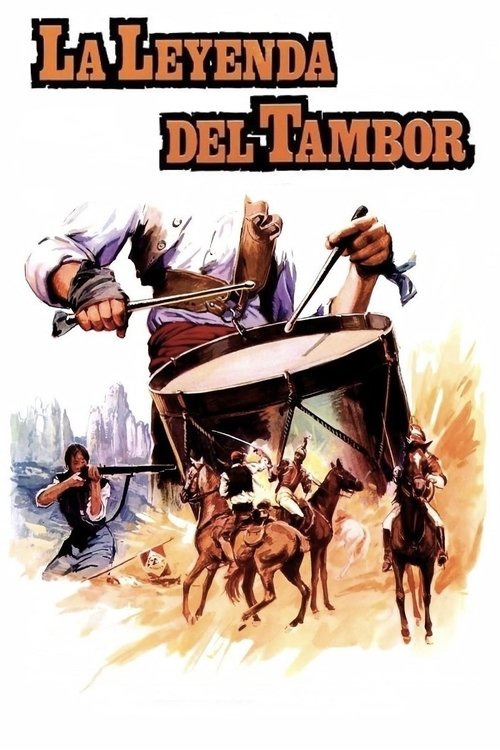
La leyenda del tambor is a traditional historical drama centered on the Napoleonic Wars. It lacks modern markers of diversity, such as explicit LGBTQ+ representation or diverse racial casting, which contributes to a lower overall score. However, the film finds strength in its anti-imperialist framework. By focusing on a local boy using a drum to deceive a superpower, the narrative challenges the inevitability of military dominance and highlights local resistance. Ultimately, the film reflects the social hierarchies of its time. While it lacks contemporary diversity, it provides a meaningful look at the struggle between a local population and an external imperial power.
Category Breakdown
The film does not include any LGBTQ+ characters or narratives. It follows the assumption that everyone is straight or cisgender, reflecting the social structures of early 19th-century Spain.
The story focuses on Isidro, a young male protagonist. Female characters likely play traditional domestic or supportive roles rather than driving the tactical plot.
The cast is likely composed of Spanish and French actors, reflecting a homogeneous ethnic background. The narrative explores conflicts between locals and an invading imperial force.
The film presents an anti-imperialist perspective by highlighting local ability to act. Isidro’s psychological tactics challenge the dominance of Napoleon’s large military machine.
There is no documented evidence of the portrayal of physical or neurodivergent disabilities in this historical drama.
Present on Screen
Limited or Absent
Official Synopsis
In June 1808, Napoleon's troops invade Spain. A boy named Isidro will beat his drum in the mountains of El Bruc, making the French army believe that thousands of armed men are waiting to confront them.
1974
2019

2003

1985
1990
1905
1987

1977
No reviews yet. Be the first to share your thoughts on this movie!
Use the rating form above to leave a star rating and optional review.