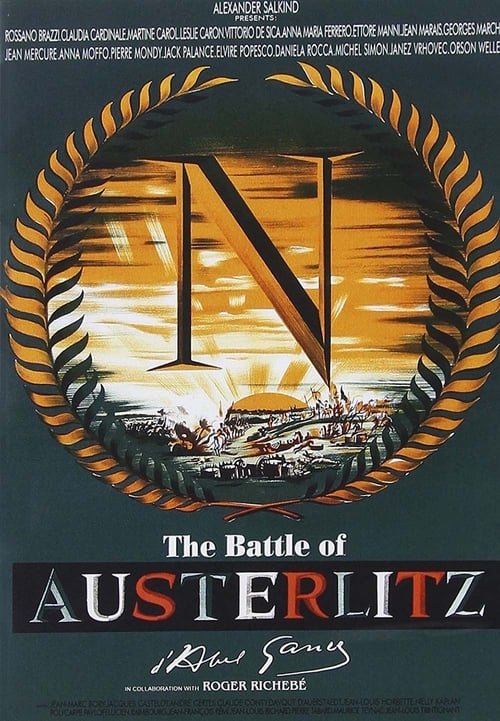
Austerlitz
1960
No user ratings available yet
Representation score: 0.8 out of 10
Representation Score
Limited
2010
Director
Philipp J. Pamer
Runtime
123 minutes
Average Rating
No ratings yetNew Showbiz Analysis
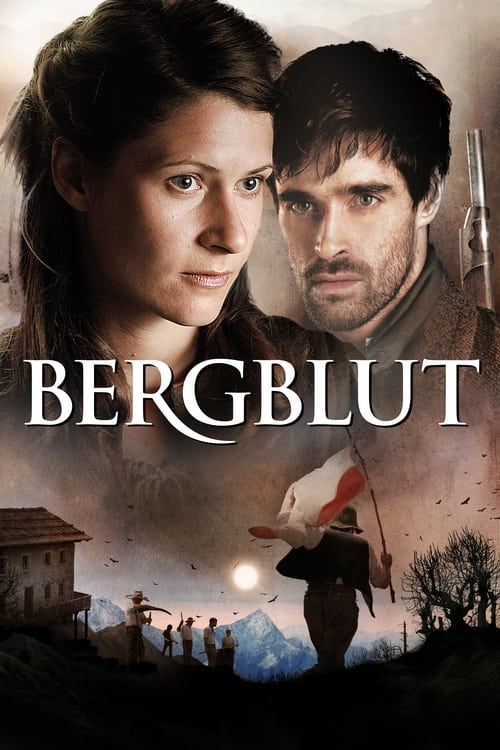
The film presents a traditional historical drama centered around the Napoleonic Wars and Tyrolean identity. It adheres closely to the social structures of the 1800s, emphasizing regional nationalism. While the film offers a detailed historical context, it lacks complexity in representing diverse identities. The characters and social dynamics reinforce traditional hierarchies without challenging them through varied representation or alternative identities. Ultimately, the film's dedication to historical accuracy leads to a homogeneous portrayal of Central European life, with limited progressive social critique.
Category Breakdown
The film focuses on a traditional marriage between Franz and Katharina, set in the Napoleonic era. There are no depictions of same-sex relationships or non-cisgender identities.
Male characters play key roles in the Tyrolean resistance movement. Although Katharina is important, her role fits traditional domestic stereotypes rather than challenging gender norms.
The cast mirrors the ethnic makeup of 19th-century Bavaria and Tyrol. While historically accurate, the film does not feature diverse casting to challenge demographic norms.
The story highlights nationalism and regional loyalty against French occupation. It upholds traditional Western social structures and patriotism without offering a critical or post-colonial perspective.
There are no visible or hidden disabilities among the main characters. The film does not address neurodivergence or physical impairments.
Present on Screen
Limited or Absent
Official Synopsis
Set in the 1800s when Napoleon’s French ruled Europe, the film follows young Austrian carpenter Franz and his Bavarian wife, Katharina as an unforeseen event forces them to flee from Augsburg, Bavaria for Franz’s family home in Tyrol, Austria. Tyrolian sentiment is rising strongly against Napoleon and trouble is stirring. In no time it sweeps up Franz and his brothers along with the whole town.
1960

1939
1930
2014
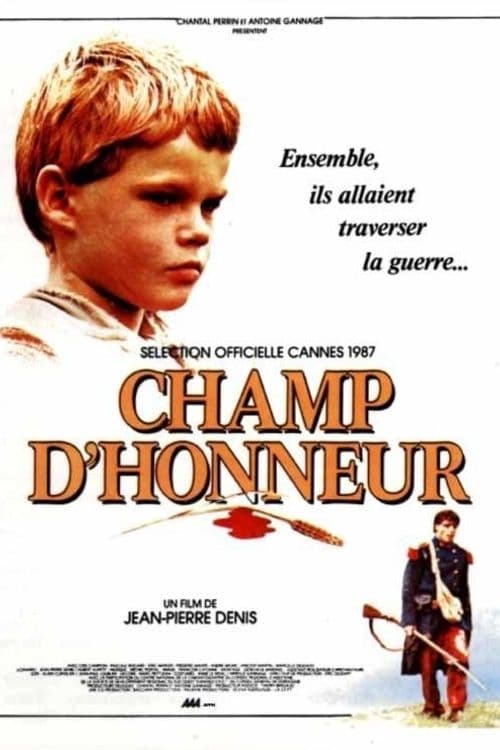
1987
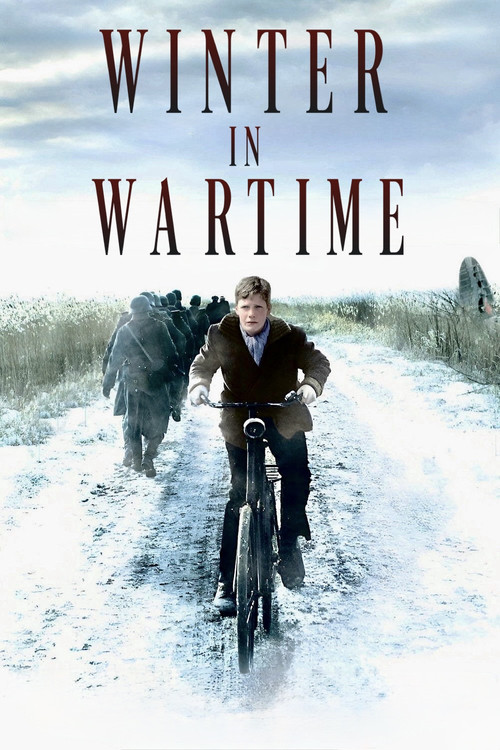
2008
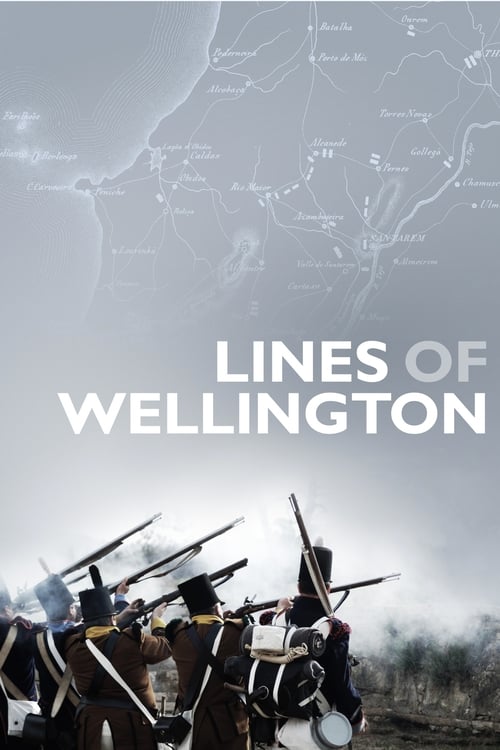
2012
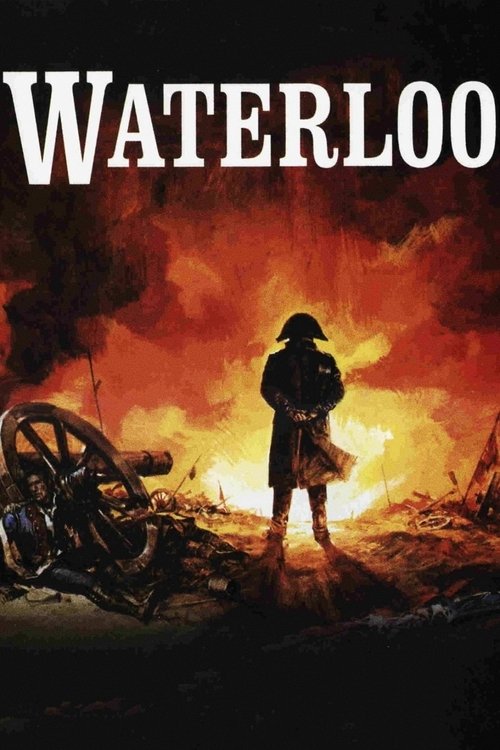
1970
No reviews yet. Be the first to share your thoughts on this movie!
Use the rating form above to leave a star rating and optional review.