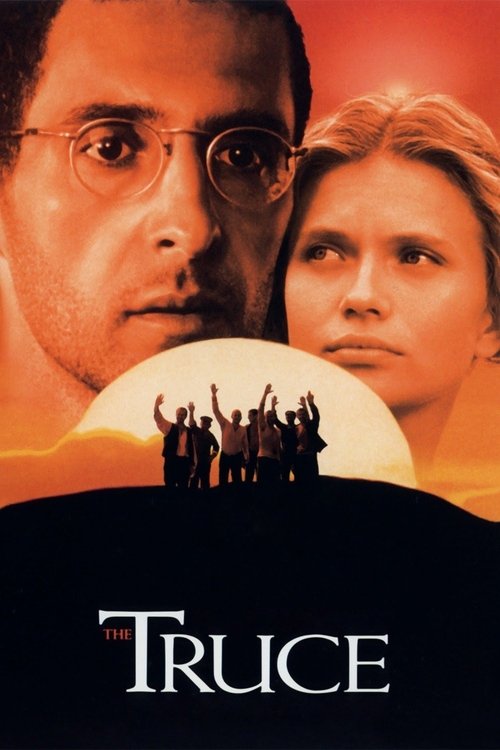
The Truce
1997
No user ratings available yet
Representation score: 1.1 out of 10
Representation Score
Good
1995
UnratedDirector
Theo Angelopoulos
Runtime
169 minutes
Average Rating
No ratings yetNew Showbiz Analysis
Theo Angelopoulos creates a sophisticated film that emphasizes the deconstruction of historical and political certainties over demographic representation. The film excels in portraying the complexities of transnational identity and the breakdown of grand political narratives. However, the emphasis on large-scale geopolitical collapse leaves little room for personal dynamics. This results in a lack of representation for LGBTQ+ identities and specific disability issues. Ultimately, the film's strength lies in its postmodern exploration of cultural fragmentation and the shifting borders of the Balkans, rather than traditional diversity measures.
Category Breakdown
The film focuses on existential and geopolitical themes rather than individual identity issues. There are no explicit depictions of LGBTQ stories or non-traditional gender identities.
Gender dynamics take a back seat to historical and political themes. Men are shown as melancholic and immobilized by the past, but the film doesn't actively challenge traditional gender roles.
The story explores a mix of Balkan backgrounds during a time of significant geopolitical change. It successfully breaks down a singular European identity by focusing on diverse ethnic shifts.
The film provides a critical look at Western-style institutions and traditional statehood. It presents history as a fragmented, subjective experience within a post-ideological context.
There are no central depictions of physical or neurological disabilities. Character struggles seem to be symbolic or psychological rather than physical disabilities.
Present on Screen
Limited or Absent
Official Synopsis
An exiled filmmaker finally returns to his home country where former mysteries and afflictions of his early life come back to haunt him once more.
1997

2004

1984

1975
1968

1963
2008
2002
No reviews yet. Be the first to share your thoughts on this movie!
Use the rating form above to leave a star rating and optional review.