
The Singing Fool
1928
No user ratings available yet
Diversity score: 2.1 out of 10

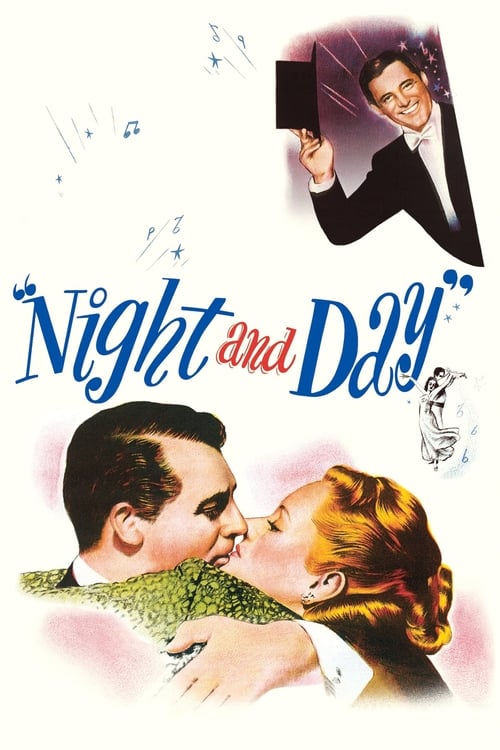
1946
NRDirector
Norman Taurog
Runtime
91 minutes
Average Rating
No ratings yetSynopsis
A former reporter comes back home after serving in the army during World War I and finds that it's much more difficult to find work than he expected. Desperate, one day he crashes a wedding attended by many of the city's rich and powerful, meets a beautiful girl named Kay who turns out to be his ticket to meeting those rich and powerful people, and he soon manages to land a job on a newspaper. He gets caught up in the "make money at all costs" game but receives a rude awakening when the stock market crashes in 1929.
Overall Score
Limited
Category Breakdown
LGBTQ+ Representation
The film contains no discernible representation of LGBTQ+ identities. The narrative focus remains strictly within the conventional romantic pairings of the 1940s studio system.
Gender Representation
The film adheres to established mid-century gender hierarchies. The female lead functions primarily as a moral anchor and romantic catalyst rather than an agent of independent narrative drive.
Racial & Ethnic Diversity
The cast is predominantly homogeneous, reflecting the production standards of 1946. The narrative does not engage with racial or ethnic identity, focusing instead on socioeconomic class.
Religious & Cultural Diversity
The film presents a nuanced view of morality through moral relativism. It suggests that communal ethics and the 'will of the people' can sometimes supersede formal, rigid legal structures.
Disability Representation
There are no prominent depictions of physical or neurodivergent disabilities. No such elements serve as central character traits or plot devices within the story.
Strengths
Areas for Improvement
AI Analysis
The film is a product of its era, characterized by a lack of demographic diversity and a reliance on traditional social hierarchies. The cast is largely homogeneous, and the narrative avoids exploring racial, ethnic, or LGBTQ+ identities entirely. However, the film offers some thematic depth by questioning institutional legality. It explores a tension between strict law and communal morality, positioning the protagonist's actions as a form of social justice. Ultimately, while the film lacks modern intersectional representation, it provides a subtle critique of rigid legalism through its populist framework.
1928
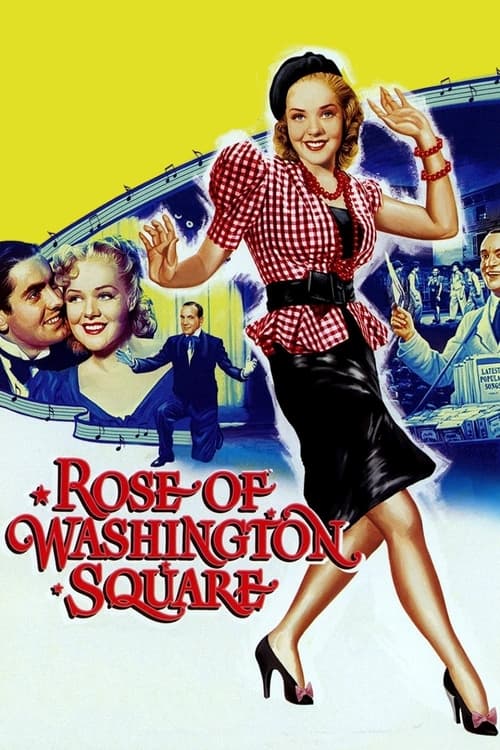
1939

1936
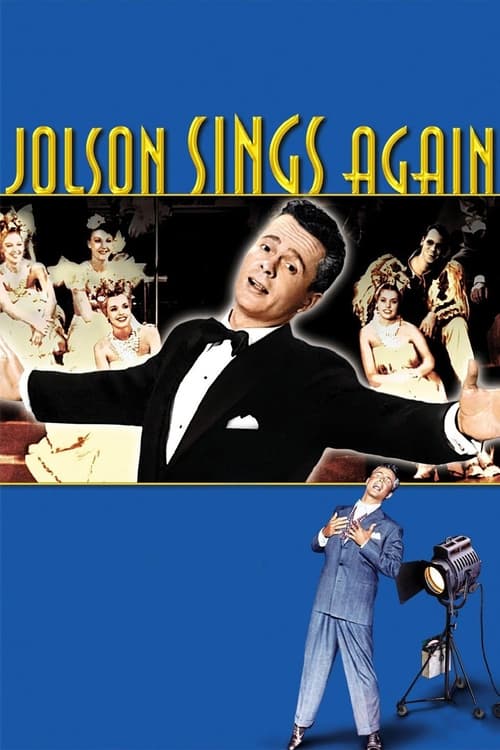
1949
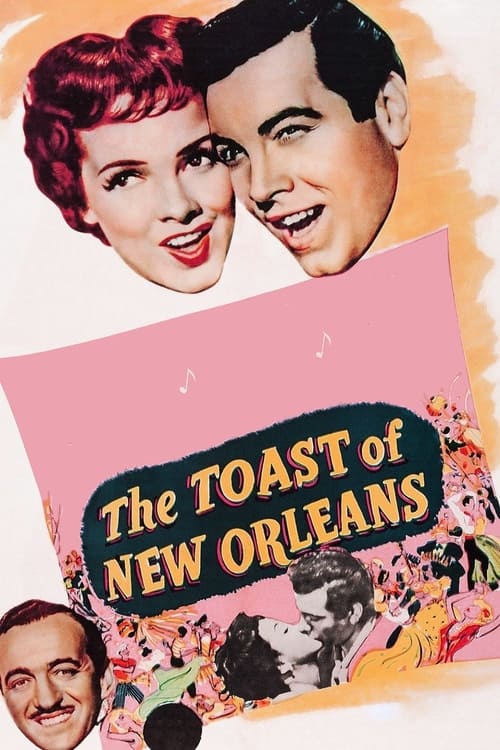
1950
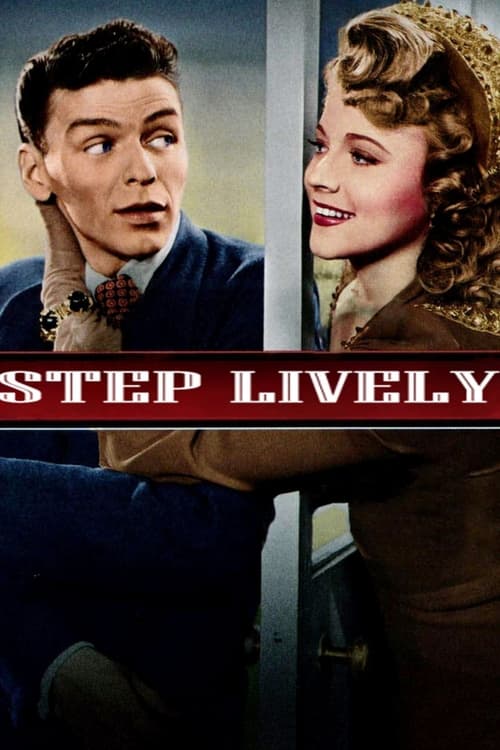
1944
1946
1952
1945
1959
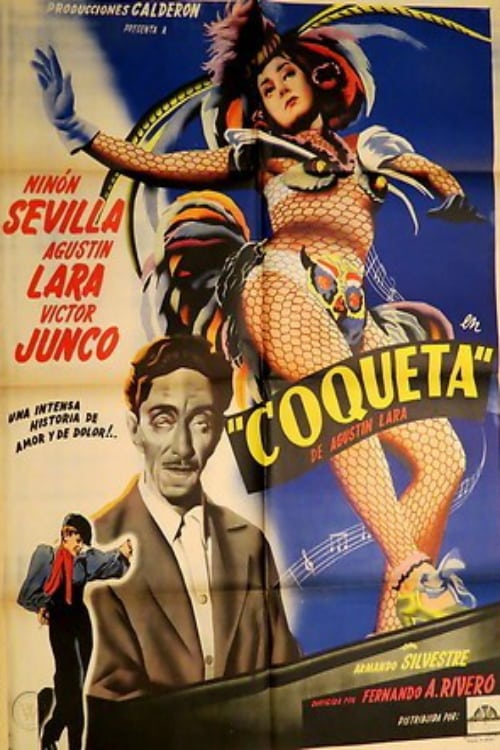
1949
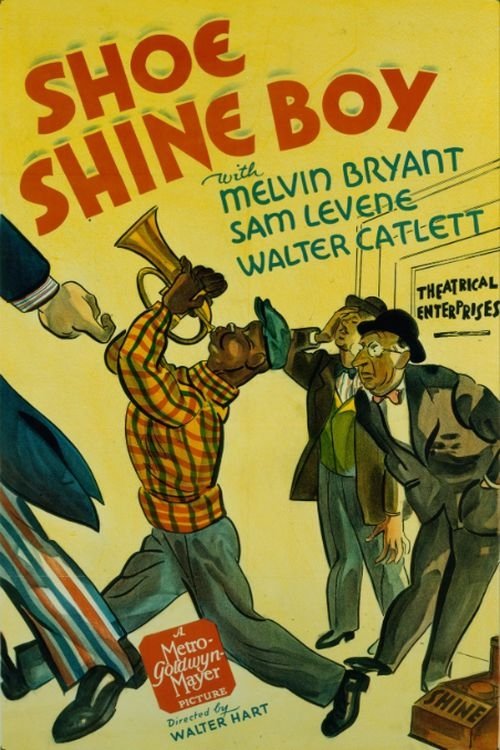
1943
No reviews yet. Be the first to share your thoughts on this movie!
Use the rating form above to leave a star rating and optional review.