
The Singing Fool
1928
No user ratings available yet
Representation score: 0.4 out of 10

Representation Score
Minimal
1936
ApprovedDirector
William Keighley
Runtime
85 minutes
Average Rating
No ratings yetNew Showbiz Analysis
The film is a conventional musical comedy that reflects the social hierarchies of its time. It relies on traditional storytelling models and archetypal roles rather than complex, multi-layered narratives. While the plot uses a professional disability to advance the story, it lacks depth regarding neurodivergence or physical ability to act. The narrative remains centered on a standard romantic arc and masculine archetypes. Ultimately, the production reinforces established cultural norms and a homogeneous social environment, offering little disruption to the status quo of the 1930s.
Category Breakdown
The film follows the conventions of 1936 and does not include any non-cisgender identities or same-sex relationships.
Female characters such as Ruth and Sybil play supportive, domestic roles. The story focuses on the male lead's professional journey and recovery.
The setting portrays a homogeneous community with no evidence of racial or ethnic diversity.
The film highlights traditional Western values and community cohesion. It uses a conventional moral framework to address personal and professional issues.
A temporary loss of voice propels the plot. This serves as a standard device rather than a nuanced exploration of living with a disability.
Present on Screen
Limited or Absent
Official Synopsis
Neurotic Broadway star Al Jackson faces professional ruin when he loses his voice. While recuperating in the country, he falls in love with farm girl Ruth Haines, the pretty aunt of precocious little Sybil Haines.
1928

1937
1938
1929

1936
1939
1936
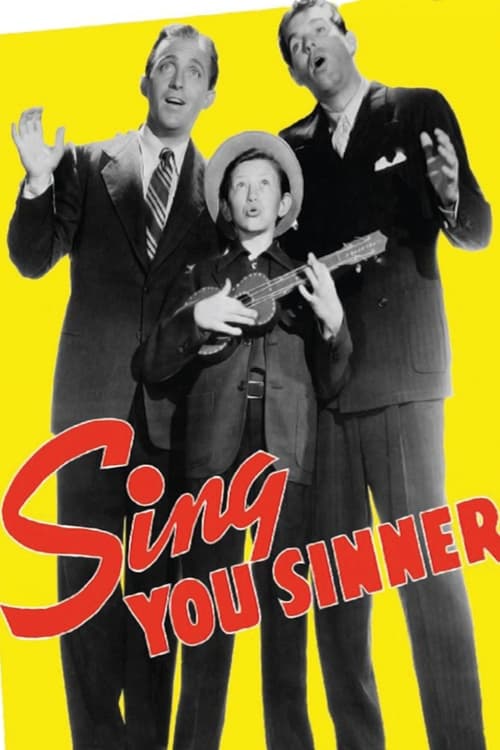
1938
No reviews yet. Be the first to share your thoughts on this movie!
Use the rating form above to leave a star rating and optional review.