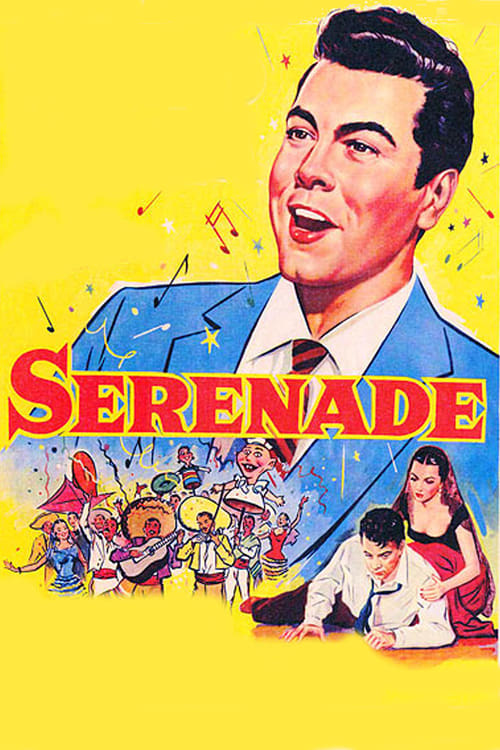
Serenade
1956
No user ratings available yet
Representation score: 0.9 out of 10
Representation Score
Limited
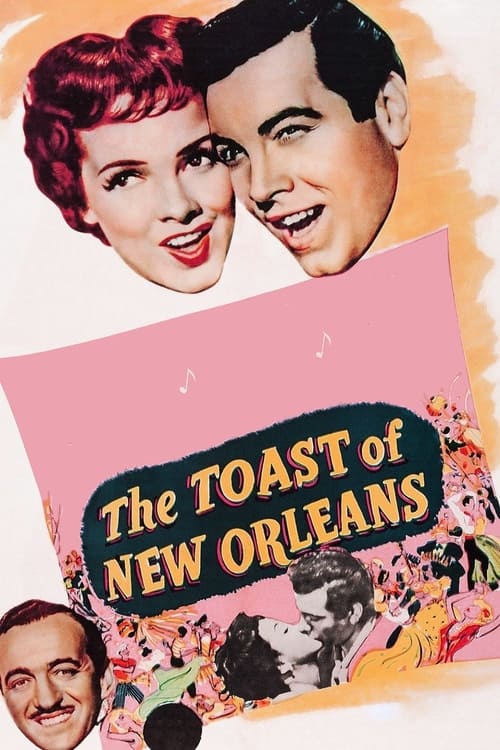
1950
NRDirector
Norman Taurog
Runtime
97 minutes
Average Rating
No ratings yetNew Showbiz Analysis
The film is a quintessential product of the mid-century studio system, relying heavily on established formulas and conventional social hierarchies. It functions as a traditional narrative that reinforces the gendered and social expectations of 1950s Hollywood. While the setting allows for an engagement with the musical textures of New Orleans and jazz music, these elements serve primarily as a backdrop for a standard romantic comedy. The film lacks a framework of critical analysis or depth in representing diverse identities. Ultimately, the work prioritizes romantic resolution and professional success within existing social structures, offering little challenge to the era's cultural norms.
Category Breakdown
The film strictly follows the assumption that everyone is straight or cisgender, focusing on the romance between the female opera singer and the male fisherman. The central plot revolves around their relationship.
The female lead demonstrates professional control as an opera singer but the narrative emphasizes her romantic relationship over her career. Masculinity is portrayed through a rugged, traditional archetype.
The film uses jazz and Black musical traditions as atmospheric elements. While engaging with regional culture, it lacks deep representation of characters of color with significant influence.
The story follows a conventional Western framework centered on upward mobility and romantic fulfillment. It emphasizes harmony between social classes through a traditional lens.
There are no discernible depictions of physical or neurodivergent characters within the narrative.
Present on Screen
Limited or Absent
Official Synopsis
Snooty opera singer meets a rough-and-tumble fisherman in the Louisiana bayous, but this fisherman can sing! Her agent lures him away to New Orleans to teach him to sing opera but comes to regret this rash decision when the singers fall in love.
1956
1981
1938

1953

1937

1954
1940
1950
No reviews yet. Be the first to share your thoughts on this movie!
Use the rating form above to leave a star rating and optional review.