
King of Burlesque
1936
No user ratings available yet
Representation score: 0.4 out of 10
Representation Score
Minimal
1939
NRDirector
Gregory Ratoff
Runtime
86 minutes
Average Rating
No ratings yetNew Showbiz Analysis
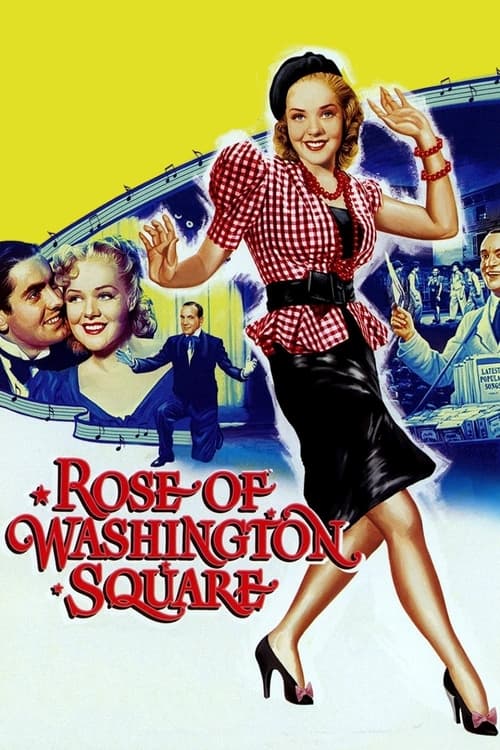
Rose of Washington Square is a classic example of a 1930s romantic melodrama. While it offers a strong female lead, the narrative remains firmly rooted in the traditional gender roles and romantic clichés of the era. The film presents a largely homogenous cast that mirrors the social structures of its time. It focuses on class divisions within the bohemian lifestyle without delving into broader racial or ethnic issues. Ultimately, the film upholds the social hierarchies of its time and fails to challenge the conventional narrative structures of the period.
Category Breakdown
The film does not include any LGBTQ+ characters or representations of non-straight relationships. It adheres to a traditional romantic storyline without any queer themes.
Rose Sargent has significant professional ability to act as she climbs to fame. However, her personal life and romantic relationships play a major role in driving the plot.
The film features a predominantly white cast. There are no characters from diverse racial or ethnic backgrounds.
The story examines the socioeconomic differences between the artistic community and traditional society. It follows typical moral standards of the time.
There are no characters with visible or invisible disabilities. Disability is not used as part of the story’s development or plot points.
Present on Screen
Limited or Absent
Official Synopsis
Rose Sargent, a Roaring '20s singer, becomes a Ziegfeld Follies star as her criminal husband gets deeper in trouble.
1936
1936

1928
1929
1946
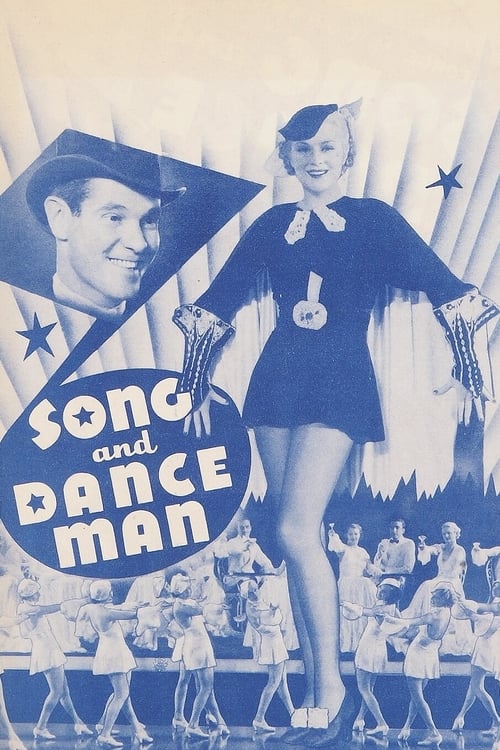
1936

1946
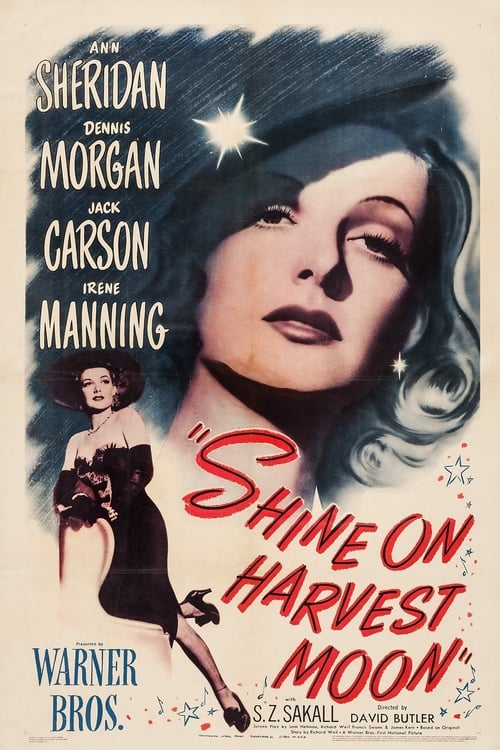
1944
No reviews yet. Be the first to share your thoughts on this movie!
Use the rating form above to leave a star rating and optional review.