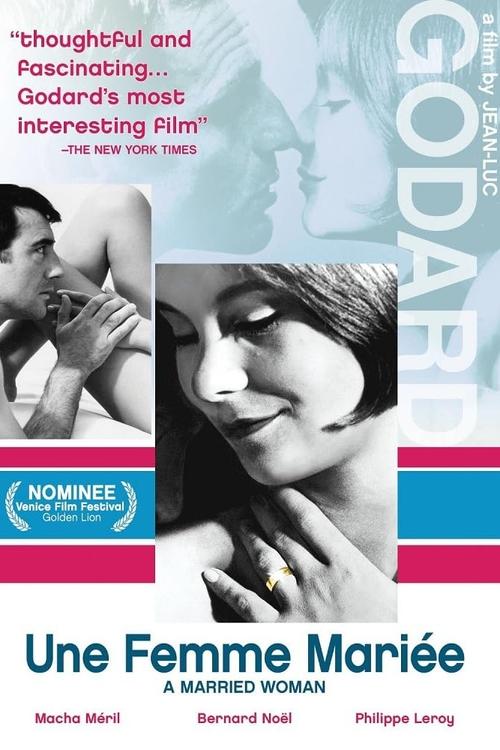
The Married Woman
1964
No user ratings available yet
Representation score: 3.0 out of 10
Representation Score
Fair
1963
NRDirector
Jean-Luc Godard
Runtime
103 minutes
Average Rating
No ratings yetNew Showbiz Analysis
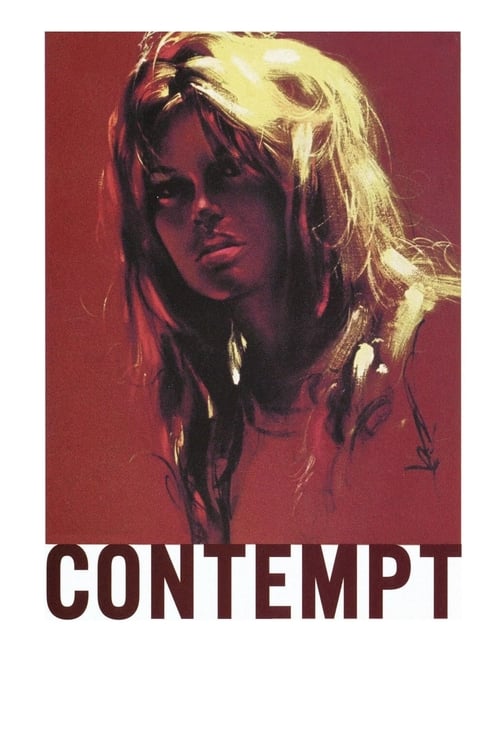
Contempt is a film that deeply challenges societal norms despite its limited demographic scope. Although it lacks racial and LGBTQ+ diversity, it excels in deconstructing social institutions. The film's strength lies in its progressive narrative structure, which challenges the sanctity of the traditional domestic unit and criticizes capitalist consumerism. However, it remains tied to the demographic realities of its time, offering little in the way of ethnic diversity or representation for disabled individuals.
Category Breakdown
The film focuses solely on a heterosexual marital crisis and does not include any queer subtext or non-cisgender identities in the characters' stories.
The movie challenges the 'supportive wife' stereotype by highlighting Camille's emotional instability and her active role in the story. It also questions traditional patriarchal marriage structures through the lens of female alienation.
Set in Rome with a predominantly white European cast, the film reflects its mid-century Mediterranean setting. It does not feature diverse racial or ethnic representation.
Godard provides a critical view of Western commercialism and the commodification of art. The narrative dismantles the nuclear family structure through an anti-capitalist, existential perspective.
The film does not depict any significant physical, sensory, or neurodivergent disabilities. Characters face psychological and existential challenges without any physical impairments.
Present on Screen
Limited or Absent
Official Synopsis
Art film producer Jeremy Prokosch, unhappy with the work of his director, hires Fritz Lang (as himself) to direct an adaptation of The Odyssey, but when it seems that the legendary filmmaker is making a picture destined to bomb, he brings in a screenwriter to energise the script. The professional intersects with the personal when a rift develops between the writer and his wife.
1964
1954
1962
1952
1961
1957
1968
1994
No reviews yet. Be the first to share your thoughts on this movie!
Use the rating form above to leave a star rating and optional review.