
The Key
1983
No user ratings available yet
Representation score: 2.8 out of 10
Representation Score
Limited
1976
RDirector
Luchino Visconti
Runtime
130 minutes
Average Rating
No ratings yetNew Showbiz Analysis
The film stands out as a historical critique, using the strict Austro-Hungarian social structure to dissect class-based power dynamics. It goes beyond simple romance to explore how systemic hierarchies suppress individual autonomy. However, the narrative lacks modern markers of diversity. The focus on a homogeneous European aristocracy limits its scope of representation, particularly in terms of LGBTQ+, racial, and ethnic diversity. Ultimately, the work is a sophisticated examination of institutional oppression rather than a diverse ensemble piece, finding its strength in challenging traditional social norms.
Category Breakdown
The film does not include any LGBTQ+ characters or non-straight identities. It focuses solely on the heterosexual relationships and social structures of the 18th century.
Countess Clara's character provides a detailed look at women's ability to drive the story within a restrictive time period. Her quest for independence challenges the patriarchal norms imposed on noblewomen.
The setting features a homogeneous European aristocracy. While it explores economic disparities, it lacks significant racial diversity and multi-ethnic casting.
Visconti offers a critical view of Western institutions and social norms. The film portrays the aristocracy as a corrupt system that stifles individual desires.
There are no prominent depictions of visible or invisible disabilities. No characters use disability as a central plot device or storyline.
Present on Screen
Limited or Absent
Official Synopsis
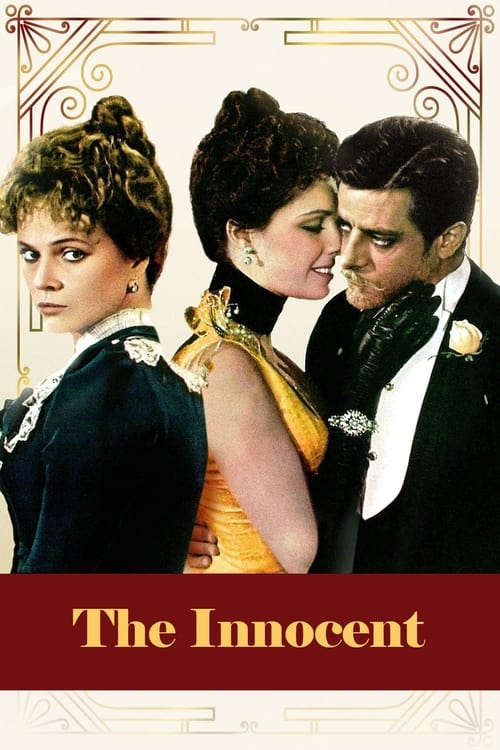
Tullio Hermil is a chauvinist aristocrat who flaunts his mistress to his wife, but when he believes she has been unfaithful he becomes enamored of her again.
1983

1943
1961

1996

1994

1958
1969

1989
No reviews yet. Be the first to share your thoughts on this movie!
Use the rating form above to leave a star rating and optional review.