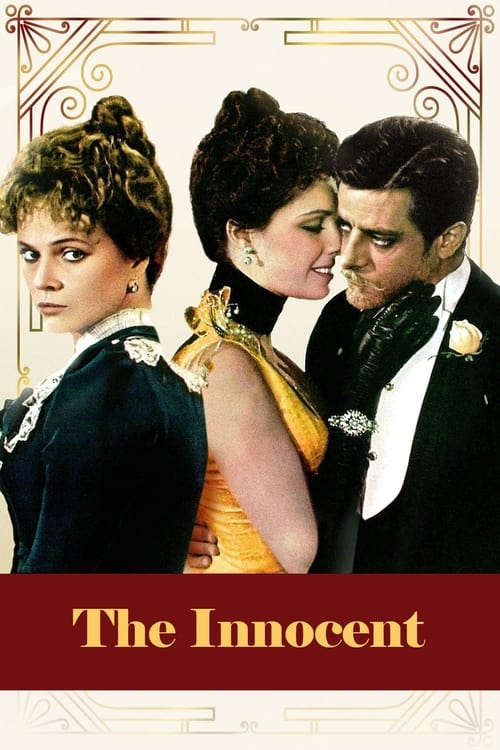
The Innocent
1976
No user ratings available yet
Representation score: 3.9 out of 10
Representation Score
Good
1974
RDirector
Luchino Visconti
Runtime
121 minutes
Average Rating
No ratings yetNew Showbiz Analysis
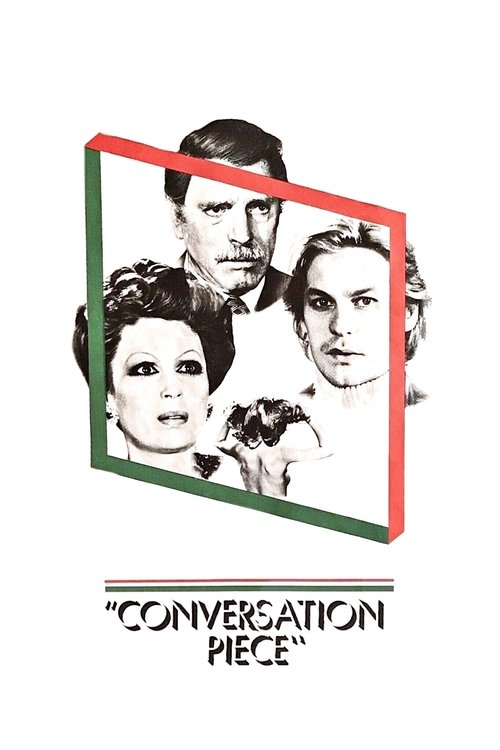
Visconti’s drama excels in its intellectual deconstruction of class and gender, offering a sophisticated critique of the decaying European aristocracy. By centering women's ability to drive the story, the film successfully inverts traditional patriarchal power dynamics. However, the film remains demographically narrow. Its focus on a specific, homogeneous European social stratum results in low scores for racial and LGBTQ+ representation, reflecting the era's social constraints. Ultimately, the work trades demographic breadth for thematic depth. It prioritizes a Marxist-influenced critique of social hierarchies over a diverse cast, making it a study of class erosion rather than inclusive representation.
Category Breakdown
The film adheres to a traditional framework that assumes everyone is straight or cisgender. It does not prominently feature LGBTQ+ identities or non-traditional gender expressions.
The narrative challenges the cliché of the submissive female by centering on a high-society woman with significant economic and social influence. This portrayal grants the female protagonist a leading role in driving the story.
Set within the 1970s Italian aristocracy, the film depicts a largely homogeneous European social stratum. There is no significant emphasis on racial or ethnic blending within the central power structures.
Visconti provides a profound critique of Western institutions and capitalist structures. The film portrays the aristocracy's decorum as a performative mask for commodified human relationships.
The film does not center on visible or invisible disabilities. Characters are defined by socioeconomic status and interpersonal power struggles rather than neurodivergence or physical disability.
Present on Screen
Limited or Absent
Official Synopsis
A retired professor of American origin lives a solitary life in a luxurious palazzo in Rome. He is confronted by a vulgar Italian marchesa and her lover, her daughter and her daughter's boyfriend, and forced to rent to them an apartment on the upper floor of his palazzo. From this point on his quiet routine is turned into chaos by his tenants' machinations, and everybody's life takes an unexpected but inevitable turn.
1976
1961
1981
1958
1980
1963
1975
1996
No reviews yet. Be the first to share your thoughts on this movie!
Use the rating form above to leave a star rating and optional review.