Bitter Sugar
1996
No user ratings available yet
Representation score: 4.6 out of 10
Representation Score
Good
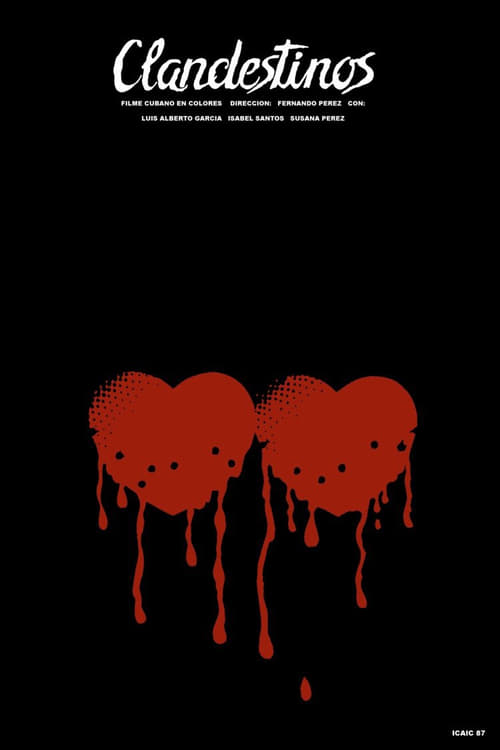
1987
Director
Fernando Pérez
Runtime
87 minutes
Average Rating
No ratings yetNew Showbiz Analysis
Living Dangerously offers a sophisticated look at intellectual resistance during the 1950s Cuban struggle against the Batista dictatorship. It succeeds by providing a non-Western perspective that challenges traditional historical narratives through a post-colonial lens. The film's strength lies in its critique of institutional power and its refusal to rely on simple heroic formulas. It explores the tension between personal ethics and state-mandated ideology, making the political deeply personal. However, the film lacks diversity in specific identity-based narratives. It offers little representation for LGBTQ+ identities or characters with disabilities, and leadership roles remain largely centered on men.
Category Breakdown
The film focuses on the romantic and political relationship between its main characters. It follows traditional dramatic structures without explicitly addressing non-binary gender identities or challenging assumptions about straight relationships.
Gender roles are tied to the broader political struggle, avoiding simplistic portrayals of femininity. However, the story's driving force remains centered around male revolutionary leaders.
The film provides an authentic Cuban perspective that avoids whitewashing. It centers on local social dynamics and uses a post-colonial lens to challenge Anglo-centric historical narratives.
The narrative excels at deconstructing institutional authority and critiquing how revolutionary structures can become oppressive. It prioritizes individual conscience over systemic conformity.
There is no significant focus on visible or invisible disabilities. Characters are defined by their political roles rather than physical or cognitive impairments.
Present on Screen
Limited or Absent
Official Synopsis
In 1950s Havana, a romance blooms between two young revolutionaries whose clandestine printing press publishes pamphlets meant to stir up rebellion against the dictatorship of Fulgencio Batista. As their popularity grows, so, too, does their revolutionary zeal and their desire to mobilize other urban guerilla units.
1996
1995
1983

2020
1990

2005
1982
1966
No reviews yet. Be the first to share your thoughts on this movie!
Use the rating form above to leave a star rating and optional review.