Che: Part One
2008
No user ratings available yet
Representation score: 3.3 out of 10
Representation Score
Limited
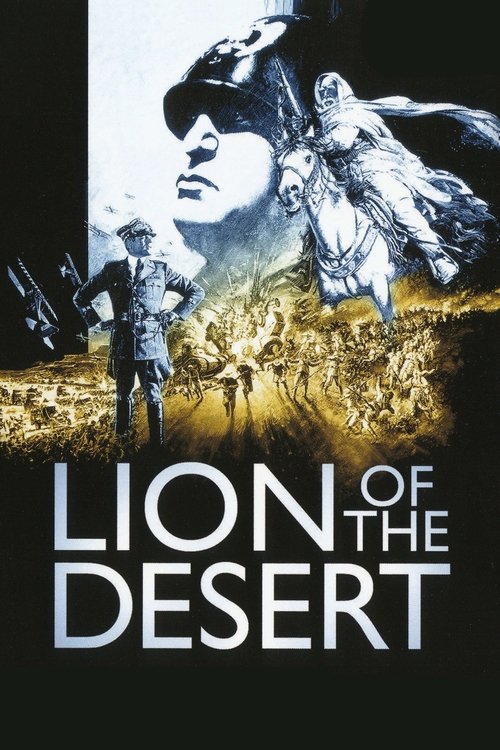
1981
PGDirector
Moustapha Akkad
Runtime
173 minutes
Average Rating
No ratings yetNew Showbiz Analysis
Lion of the Desert stands out as a powerful subversion of the traditional historical epic. By centering the Libyan struggle for independence, it successfully dismantles the 'civilizing mission' cliché often found in Western cinema. The film prioritizes indigenous ability to act and provides a sophisticated critique of colonial oppression. However, the film remains bound by the social structures of its era. The narrative is heavily male-centric, leaving women in domestic roles without political ability to act. Additionally, the lack of LGBTQ+ representation and visible disability characters limits its scope of inclusivity. Ultimately, the film's strength lies in its post-colonial framework. It elevates non-Western perspectives and uses spiritual identity to drive a compelling narrative of self-determination against institutional dominance.
Category Breakdown
The film focuses entirely on the geopolitical and religious struggle for sovereignty. There are no LGBTQ+ characters or representations of non-straight relationships.
The plot is predominantly male-driven, reflecting the military and religious hierarchies of the 1930s. Women occupy traditional social roles and serve as a domestic backdrop rather than active political agents.
The production disrupts Hollywood norms by centering an Arab resistance leader and a North African cast. It frames the Italian presence as a systemic, oppressive force rather than a civilizing mission.
The narrative is fundamentally anti-imperialist, utilizing Islam as a central pillar of resistance. It critiques Italian Fascism by framing the colonial administration as a corrupt and oppressive entity.
No characters have arcs defined by visible or invisible disabilities. The film does not use disability as a plot device or a tool for mockery.
Present on Screen
Limited or Absent
Official Synopsis
Resistance leader Omar Mukhtar opposes Italian colonization before World War II. The brutal guerrilla war against Italian General Rodolfo Graziani and the Fascist forces of Benito Mussolini highlights the struggle for Libyan independence and the harsh tactics utilised by the colonisers.
2008
1964

2008
1980
2001

1969

1981
1995
No reviews yet. Be the first to share your thoughts on this movie!
Use the rating form above to leave a star rating and optional review.