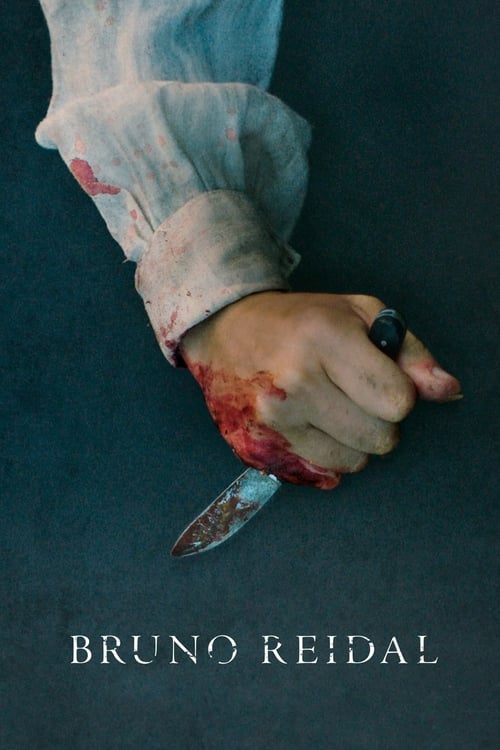
Bruno Reidal: Confession of a Murderer
2022
No user ratings available yet
Diversity score: 3.8 out of 10
2015
Director
Philippe Ramos
Runtime
107 minutes
Average Rating
No ratings yetSynopsis
1959. Guilty of a double murder, a man is guillotined. The dead man's head rolls into a basket, from where it recounts a tale.
Overall Score
Fair
Category Breakdown
LGBTQ+ Representation
The story centers on an obsessive romantic fixation between a man and a woman. It lacks explicit non-cisnormative identities or narratives that actively critique heteronormativity.
Gender Representation
The narrative is driven by a male protagonist's internal monologue and agency. The female subject acts primarily as a catalyst for his obsession rather than an independent character.
Racial & Ethnic Diversity
Set in rural 1950s Quebec, the film maintains a homogeneous cast. There is no evidence of multicultural casting or intentional racial diversification within this historical setting.
Religious & Cultural Diversity
The film critiques religious infallibility by portraying a former priest as a murderer. It uses the protagonist's descent into crime to challenge the sanctity of the clerical vocation.
Disability Representation
The film explores psychological instability and dissociation through a surrealist lens. The protagonist's fractured psyche is central, though it functions more as a stylistic device than an empowered portrayal.
Strengths
Areas for Improvement
AI Analysis
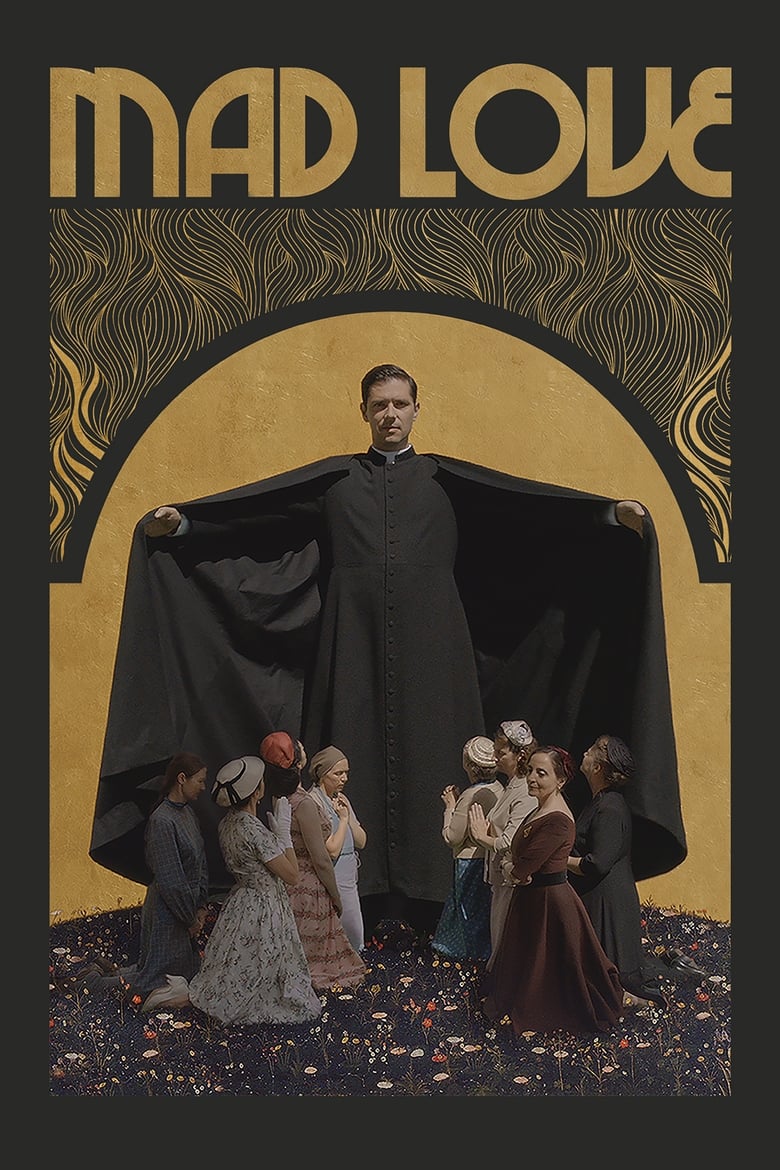
Mad Love is a surrealist character study that prioritizes psychological deconstruction over demographic breadth. It succeeds in challenging institutional sanctity by subverting the image of the respected priest, offering a sophisticated critique of religious authority. However, the film remains limited by its narrow focus. The narrative relies heavily on a male-centric perspective and traditional romantic frameworks, lacking significant representation of LGBTQ+ identities or racial diversity. Ultimately, the work functions as a specialized auteur piece. It trades intersectional inclusion for a postmodern exploration of memory, morality, and the fractured human psyche.
2022
1970
1969
2001
1993
1959

2013
1970
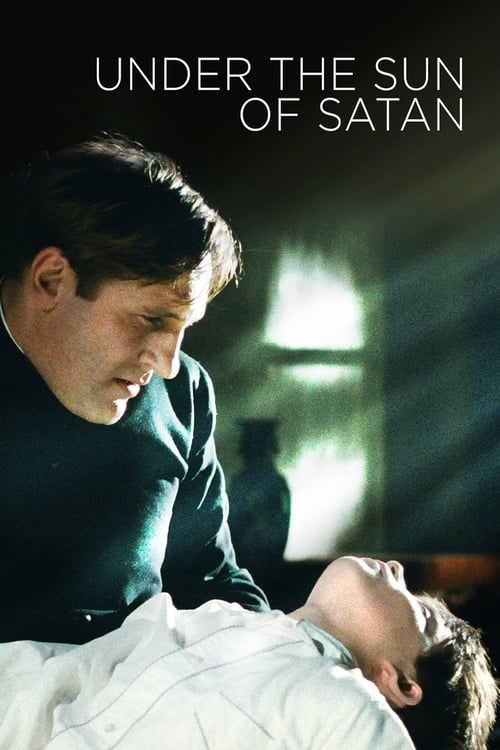
1987
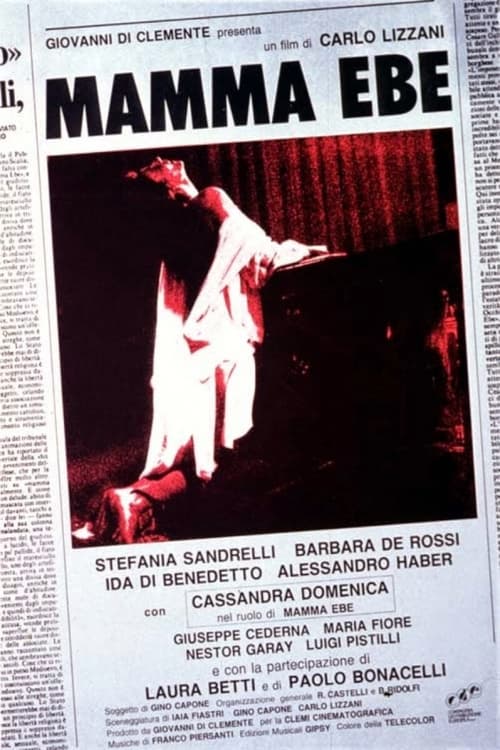
1985
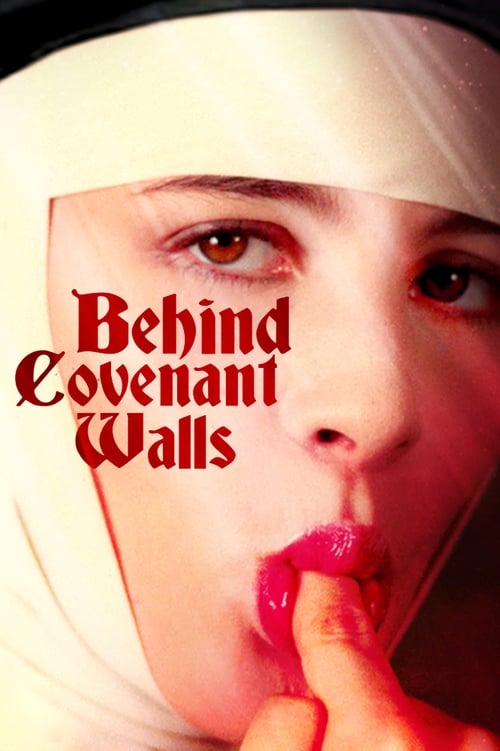
1978

1954
No reviews yet. Be the first to share your thoughts on this movie!
Use the rating form above to leave a star rating and optional review.