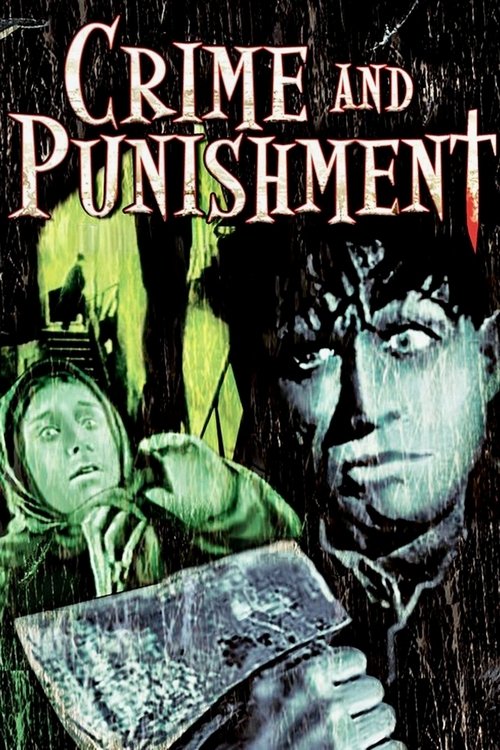
Crime and Punishment
1923
No user ratings available yet
Representation score: 2.7 out of 10
Representation Score
Limited
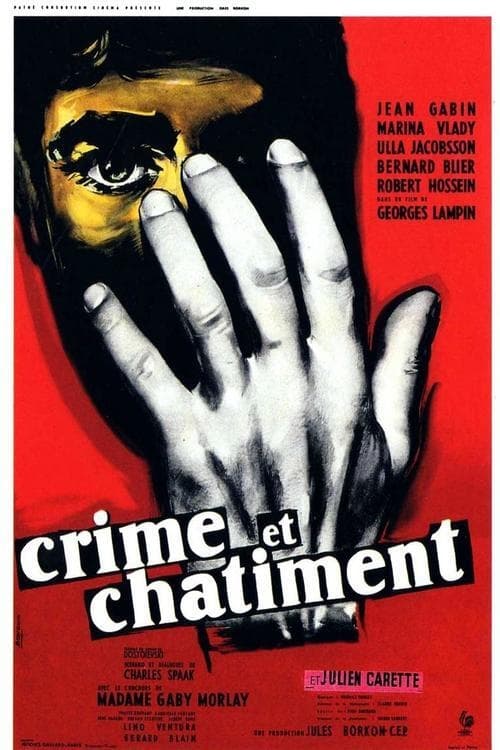
1956
Director
Georges Lampin
Runtime
107 minutes
Average Rating
No ratings yetNew Showbiz Analysis
This adaptation of Dostoevsky’s classic is a period drama that prioritizes historical accuracy and traditionalist morality over modern diversity standards. It functions as a singular exploration of guilt and spiritual reintegration within a specific 19th-century Russian framework. The film provides a sophisticated critique of socioeconomic inequality and the desperation of urban poverty. However, it reinforces conventional social hierarchies, particularly regarding gender and religious orthodoxy. Ultimately, the production lacks characters who reflect more than one aspect of diversity, focusing instead on the protagonist's psychological disintegration and his adherence to traditional moral laws.
Category Breakdown
The film does not include any clear representation of LGBTQ+ identities or non-assuming gender matches what was assigned at birth characters. The story focuses on the protagonist's isolation and his spiritual connection with Sonya.
Sonya has a strong moral presence but her role is defined by sacrificial suffering. The narrative emphasizes the male protagonist's psychological struggle and his journey towards redemption.
The casting reflects a homogeneous, 19th-century Saint Petersburg setting, presenting a strictly Eurocentric social landscape without multicultural blending.
The film critiques socioeconomic exploitation but prioritizes Orthodox spirituality as the resolution. It upholds traditionalist values over moral relativism.
Mental health is depicted through Raskolnikov’s delusions and instability, which are treated as symptoms of existential crisis rather than explored through neurodivergent experiences.
Present on Screen
Limited or Absent
Official Synopsis
Former student Raskolnikov is pushed to murder when struggling to pay the rent on his apartment. When the murder is being investigated by the police, Raskolnikov struggles between trying to hide his guilt and the pressure to confess.
1923
1939
2002
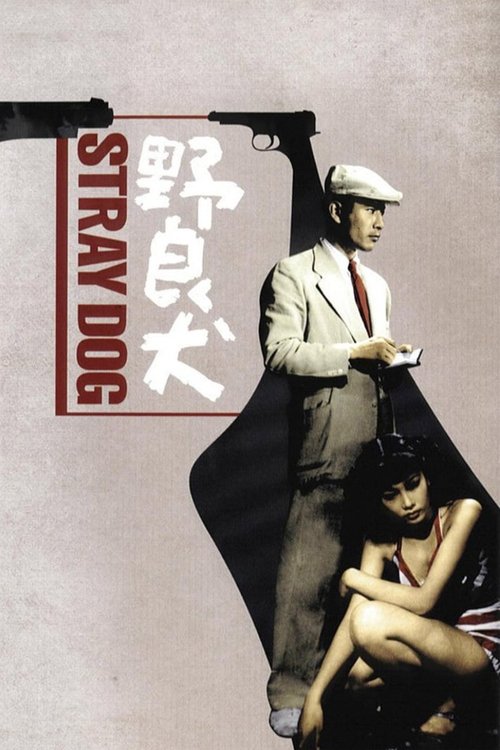
1949
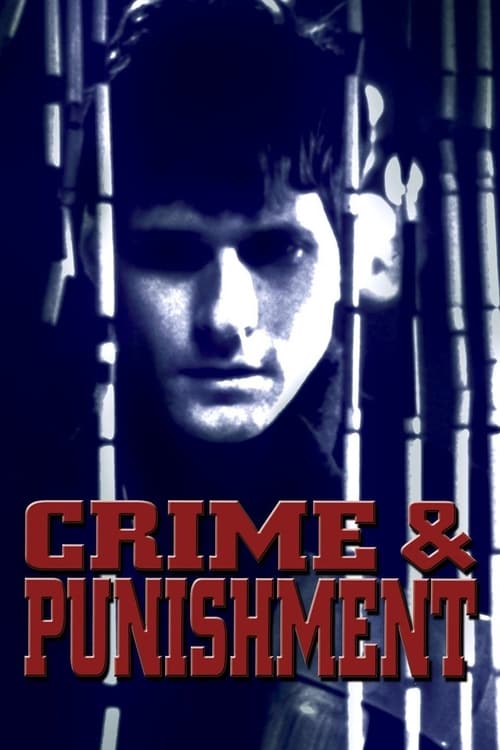
2002
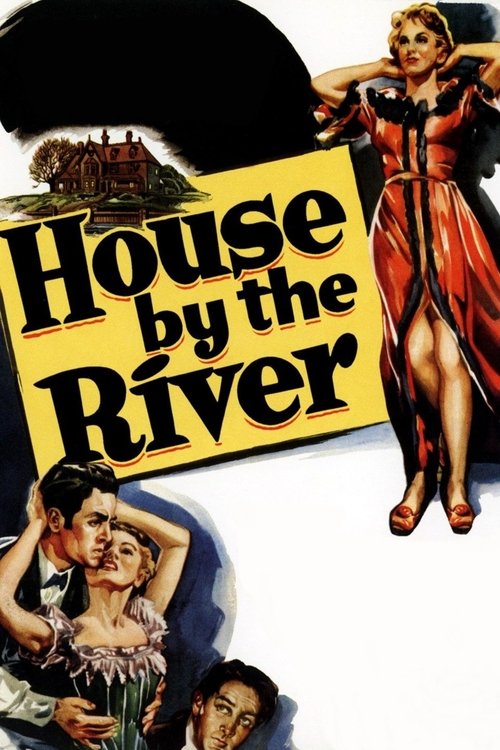
1950
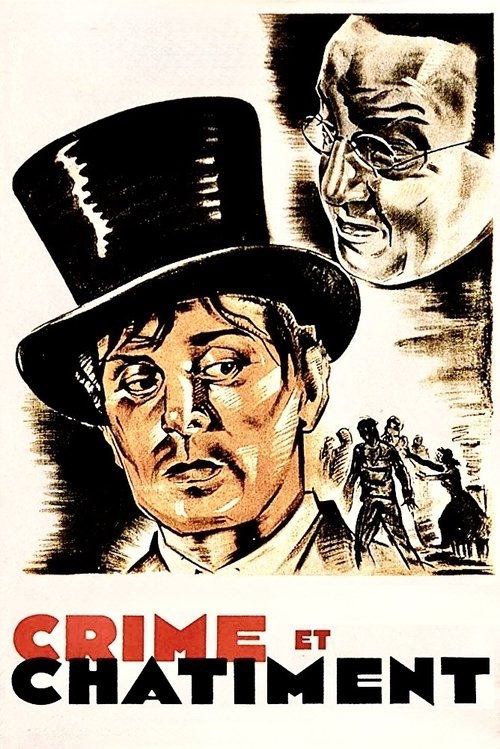
1935

1940
No reviews yet. Be the first to share your thoughts on this movie!
Use the rating form above to leave a star rating and optional review.