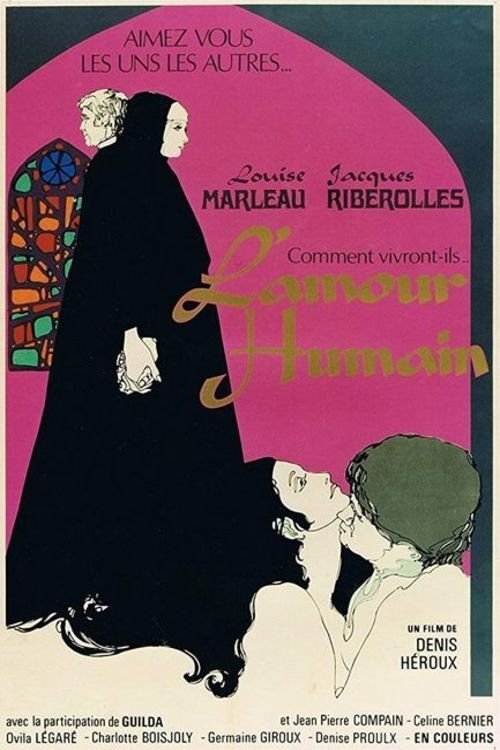
Virgin Lovers
1970
No user ratings available yet
Representation score: 4.5 out of 10

Representation Score
Good
1987
TV-MADirector
Maurice Pialat
Runtime
98 minutes
Average Rating
No ratings yetNew Showbiz Analysis
Maurice Pialat’s drama stands out for its intellectual challenge to religious and patriarchal norms. By depicting a priest as unstable and obsessive, the film undermines traditional power structures and questions rigid doctrines. However, the film lacks broad demographic representation. Its cast is uniform, offering limited racial or LGBTQ+ diversity. Overall, the work emphasizes psychological complexity over social inclusivity, prioritizing the deconstruction of institutional norms over a diverse cast.
Category Breakdown
The film does not include explicit LGBTQ+ stories or non-straight relationships. The focus is on the emotional and mental conflicts between the main characters.
The story challenges traditional gender roles by highlighting a female protagonist's independence, which upsets the male lead. This shifts the power dynamic through complex interactions.
Set in a rural French area, the film features a uniform cast. It does not show diverse ethnic backgrounds, reflecting its specific local context.
The film provides a critical look at Western institutions by questioning the Church's authority. It breaks down the idea of absolute right and wrong through moral ambiguity.
While the film delves into mental health issues and instability, it focuses on psychological tension rather than exploring disabilities or neurodiversity as sources of empowerment.
Present on Screen
Limited or Absent
Official Synopsis
Satan tempts Father Dossignan, who is trying to save the soul of a young girl who killed one of her lovers.
1970
1967
1978
1967
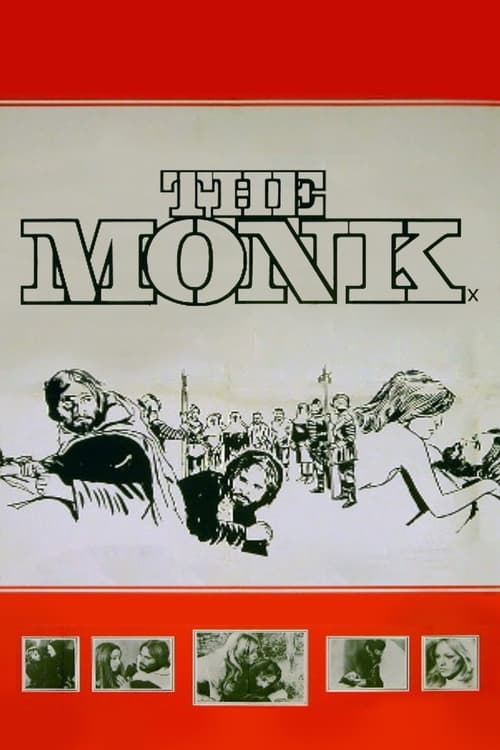
1972
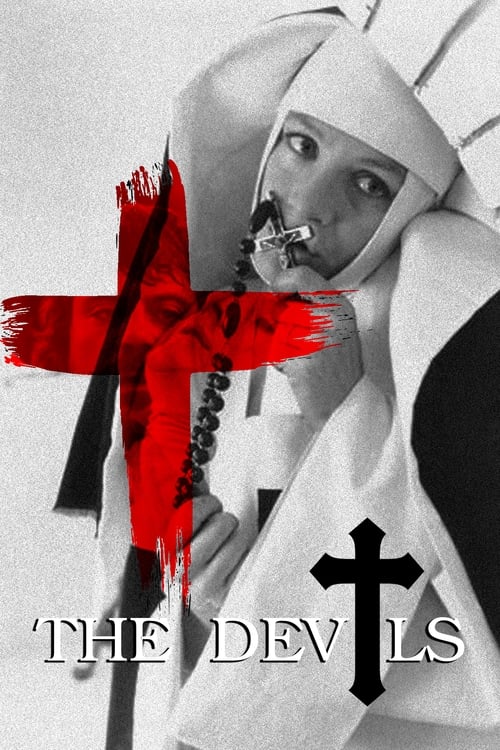
1971
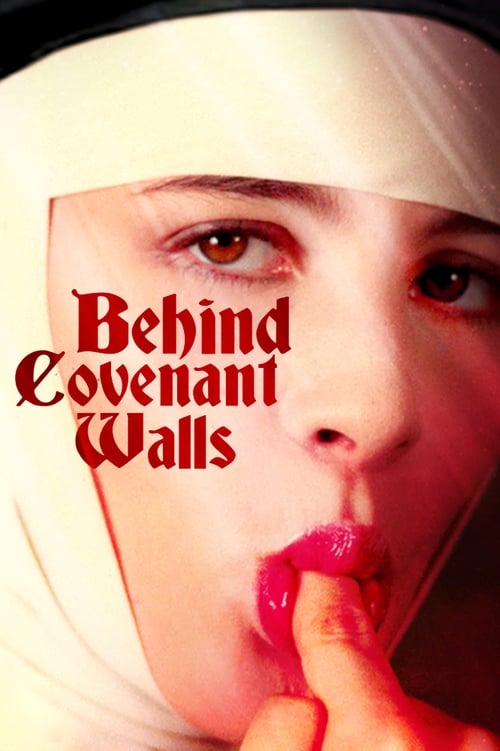
1978
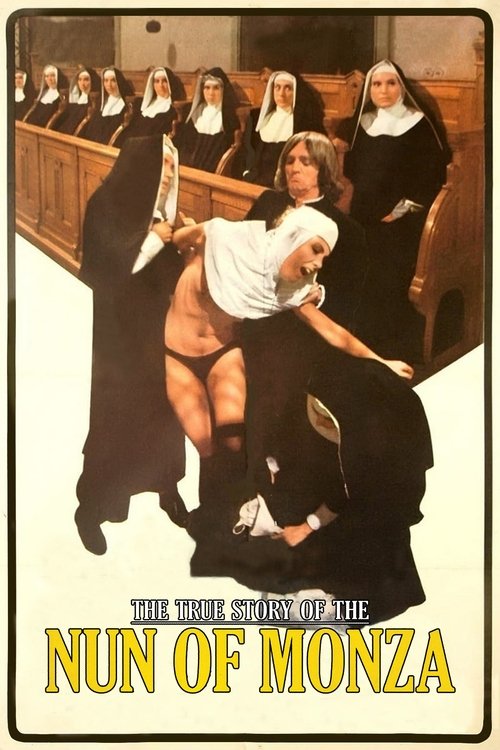
1980
No reviews yet. Be the first to share your thoughts on this movie!
Use the rating form above to leave a star rating and optional review.