
The Child I Never Was
2002
No user ratings available yet
Representation score: 4.8 out of 10
Representation Score
Fair
1995
Director
Romuald Karmakar
Runtime
110 minutes
Average Rating
No ratings yetNew Showbiz Analysis
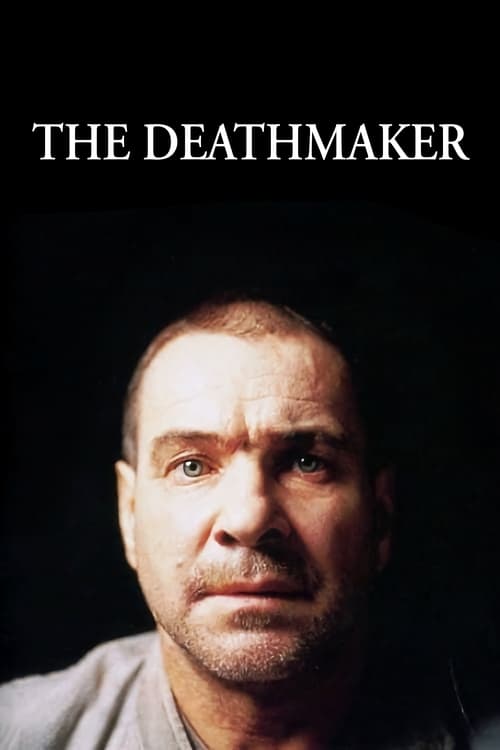
The Deathmaker is a formalist exploration of the criminal mind that prioritizes psychological analysis over conventional storytelling. It offers a sophisticated critique of Western legal and psychiatric systems, challenging traditional moral certainties. However, the film focuses narrowly on a masculine perspective, with minimal female presence and racial diversity. Identity is often defined through pathology rather than personal experience. Ultimately, the film prioritizes intellectual depth over demographic variety, focusing on the clinical examination of human deviance and societal failures.
Category Breakdown
The film examines queer dynamics through the lens of criminal behavior, focusing on pathology rather than personal identity.
The story revolves around a strict male hierarchy, with power concentrated between two men, leaving little room for women to drive the narrative.
The cast is made up of actors from a single ethnic background, reflecting the historical context of early 20th-century Germany.
The film highlights scientific skepticism over religious condemnation, presenting a fragmented view of truth and authority.
Psychological instability and neurodivergence are explored through the main character, but these traits are used to study pathology rather than to give the character real influence.
Present on Screen
Limited or Absent
Official Synopsis
Fritz Haarmann, who has killed at least 27 boys, is questioned by a psychology professor in order to find out whether he is sane and can be held responsible for his crimes. During this interrogation Haarmann reveals his motives and his killing methods.
2002

2015
1994

2005

1973

1971
2006

2003
No reviews yet. Be the first to share your thoughts on this movie!
Use the rating form above to leave a star rating and optional review.