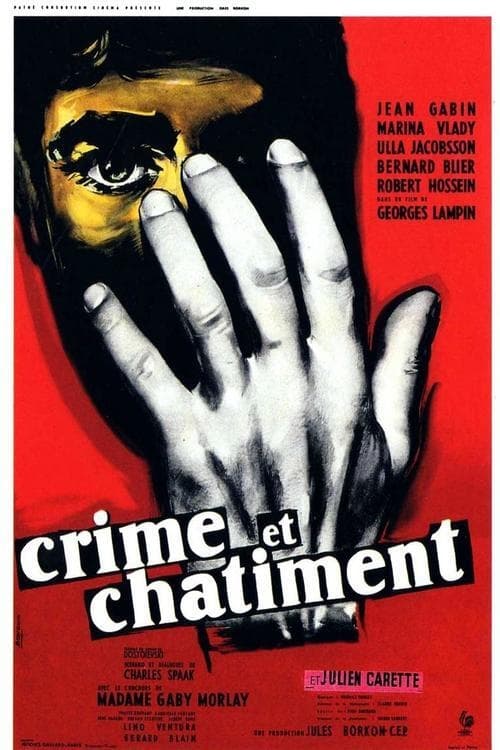
Crime and Punishment
1956
No user ratings available yet
Representation score: 2.8 out of 10
Representation Score
Limited
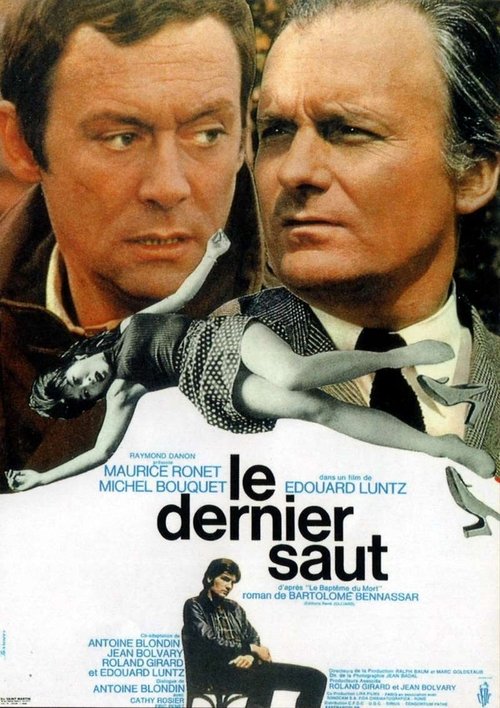
1970
Not RatedDirector
Édouard Luntz
Runtime
100 minutes
Average Rating
No ratings yetNew Showbiz Analysis
Le Dernier Saut is a psychological character study that relies heavily on traditional clichés of jealousy and patriarchal violence. The narrative emphasizes the internal guilt of the male protagonist over any meaningful exploration of social or systemic issues. While the film introduces cross-cultural elements through a Vietnamese wife, these elements are used as narrative tools to drive the plot rather than to provide nuanced ethnic representation. The film operates within a conventional framework that reinforces existing social hierarchies. Ultimately, the film lacks the depth required to disrupt established cinematic norms, focusing instead on a singular, traditional moral crisis.
Category Breakdown
The film focuses on a heterosexual relationship and does not include any LGBTQ+ characters or critiques of straight-centered structures.
The story centers on a male-dominated environment where the female protagonist triggers male conflict rather than acting independently.
A Vietnamese wife adds a non-Western ethnic element. However, she primarily functions as a plot device to provoke the protagonist's psychological crisis.
The story follows a traditional dramatic structure focused on individual morality. It does not challenge Western institutions or explore complex cultural dynamics.
There is no portrayal of physical or neurodivergent disabilities as central to the narrative or character development.
Present on Screen
Limited or Absent
Official Synopsis
A veteran paratrooper murders his Vietnamese wife when he finds her in the arms of a younger man. Garal (Maurice Ronet) makes it back to the army base where his drunken roommate provides him with an iron clad alibi. Jauran (Michel Bouquet) is the local police inspector who befriends the Garal, unaware he is the killer. The younger man is accused of the woman's murder, but the paratrooper begins to feel overwhelmed with guilt. The longer he remains silent about the crime, the more psychological torture he must endure.
1956

1975
2004

1958

1972

1979
1971

1949
No reviews yet. Be the first to share your thoughts on this movie!
Use the rating form above to leave a star rating and optional review.