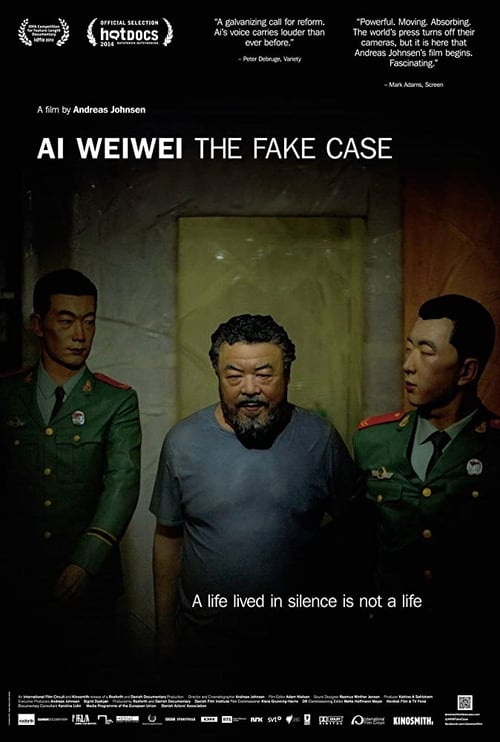
Ai Weiwei: The Fake Case
2013
No user ratings available yet
Representation score: 8.8 out of 10
Representation Score
Excellent
2012
RDirector
Alison Klayman
Runtime
92 minutes
Average Rating
No ratings yetNew Showbiz Analysis
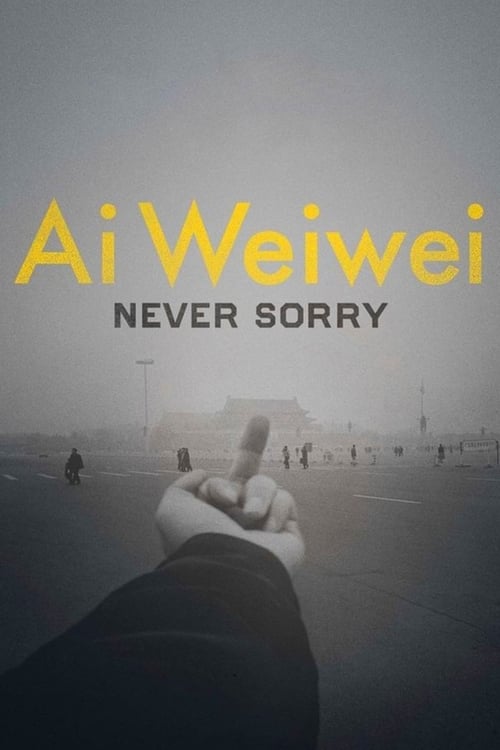
Ai Weiwei: Never Sorry is a strong political documentary that focuses on non-Western ability to act. It challenges monolithic views of Eastern governance and disrupts Western-centric perspectives. The film effectively critiques state power and institutional corruption. It presents the fight for expression as a basic human right, offering a sophisticated critique of social issues. However, the documentary does not specifically address LGBTQ+ or disability-related stories. These elements are secondary to the main political storyline.
Category Breakdown
The film does not focus on LGBTQ+ identities or non-straight relationships. Intimacy is shown to highlight the protagonist's political struggle.
The movie avoids strict, tough masculine roles by showing the protagonist's vulnerability. Authority comes from creative resistance rather than traditional male dominance.
The documentary highlights non-Western ability to act by focusing on Chinese social structures. It challenges Western-centric views by emphasizing individual power and ability to act.
The film criticizes centralized, authoritarian systems. It emphasizes personal truth and subjective experiences over state-imposed morality and institutional corruption.
The film does not prominently feature visible or invisible disabilities. It frames the psychological impact of detention as a political issue, not an identity marker.
Present on Screen
Limited or Absent
Official Synopsis
An account of the many tribulations that Chinese artist Ai Weiwei, known for his subversive art and political activism, endured between 2008 and 2011, from his rise to world fame via the Internet to his highly publicized arrest due to his frequent and daring confrontations with the Chinese authorities.
2013

2011

2019

2022
2008

2013
2016

2014
No reviews yet. Be the first to share your thoughts on this movie!
Use the rating form above to leave a star rating and optional review.