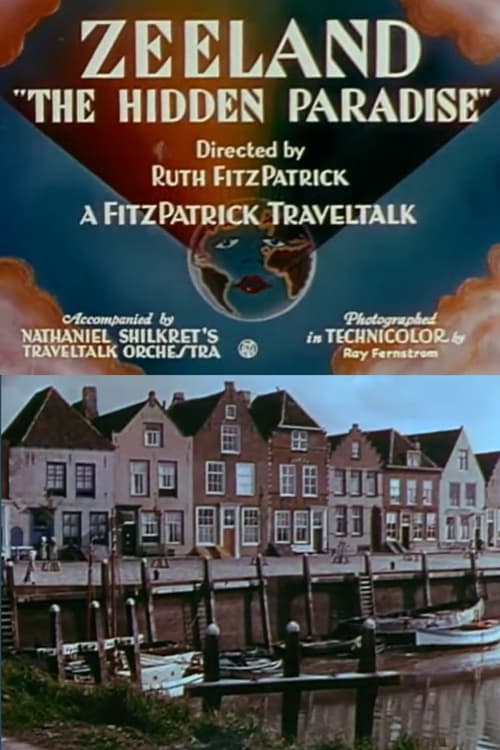
Zeeland: 'The Hidden Paradise'
1935
No user ratings available yet
Diversity score: 1.9 out of 10
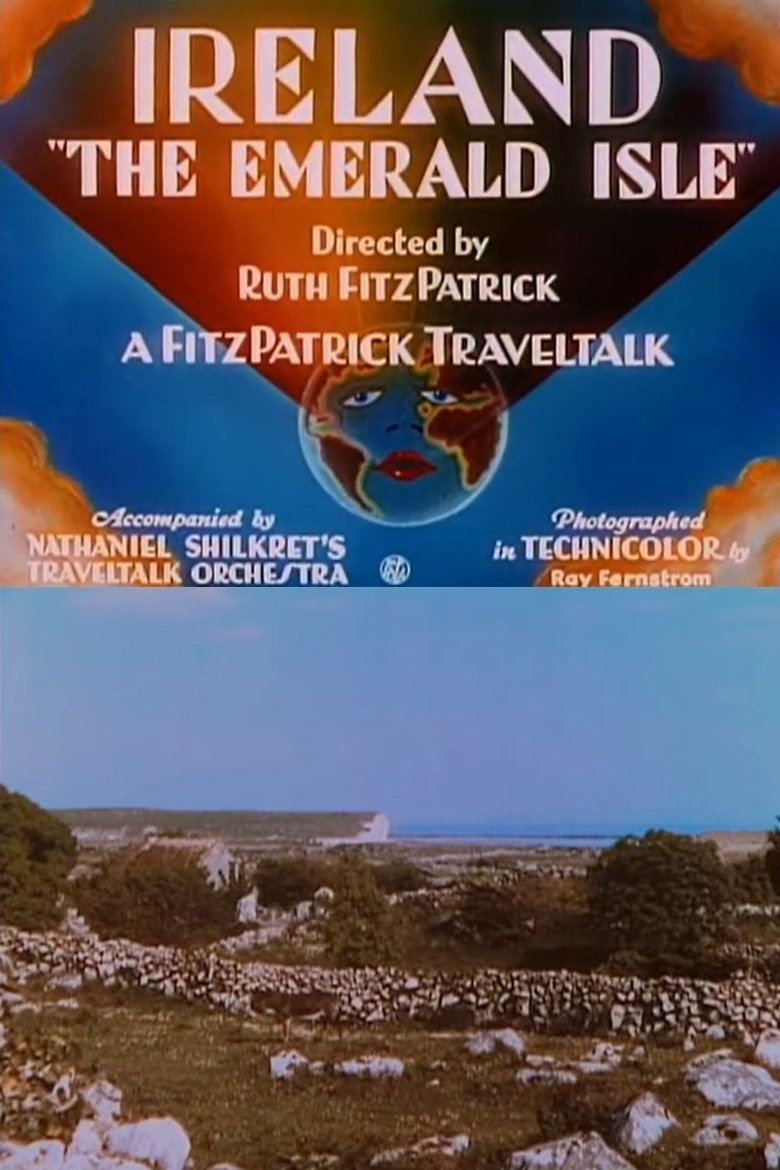
1934
ApprovedDirector
Ruth FitzPatrick
Runtime
8 minutes
Average Rating
No ratings yetSynopsis
This Traveltalk visit to Ireland starts with a look at the countryside, with its farms, small villages, and fields with walls and fences built of stone without the use of mortar. We then visit Hope Castle in Castleblayney and end our journey in Galway.
Overall Score
Limited
Category Breakdown
LGBTQ+ Representation
The documentary focuses on landscapes and rural villages. It lacks any LGBTQ+ characters or narratives addressing non-cisnormative identities.
Gender Representation
The film emphasizes farms and historical structures. There is no evidence of women demonstrating agency or subverting traditional gender hierarchies.
Racial & Ethnic Diversity
This localized study of the Irish countryside appears ethnically homogeneous. It reflects the geographic and social constraints of the 1930s.
Religious & Cultural Diversity
The film celebrates traditional Western landscapes and historical architecture. It documents a specific cultural aesthetic centered on heritage and rural stability.
Disability Representation
The subject matter is strictly limited to scenery and landmarks. No characters or subjects with visible or invisible disabilities are present.
Strengths
Areas for Improvement
AI Analysis
This 1934 Traveltalk documentary serves as a topographical study of Ireland, prioritizing the documentation of stone masonry, farms, and historical sites like Hope Castle. The creative intent is observational, focusing on the physical environment rather than social or identity-driven narratives. Because the film is a period-specific travelogue, it adheres to the era's conventions of homogeneity. It lacks representation of LGBTQ+ identities, diverse racial backgrounds, or individuals with disabilities, as the lens remains fixed on the landscape. Ultimately, the work functions as a preservation of cultural aesthetics and heritage. It does not attempt to challenge social hierarchies or explore intersectional identities, resulting in a low diversity score.
1935
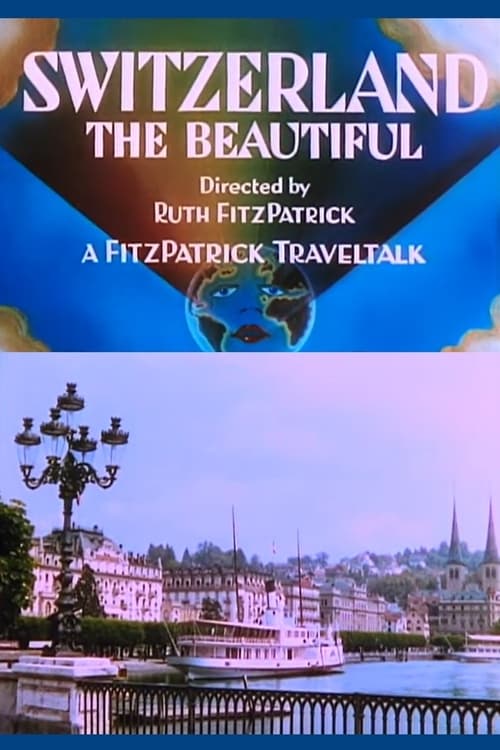
1934
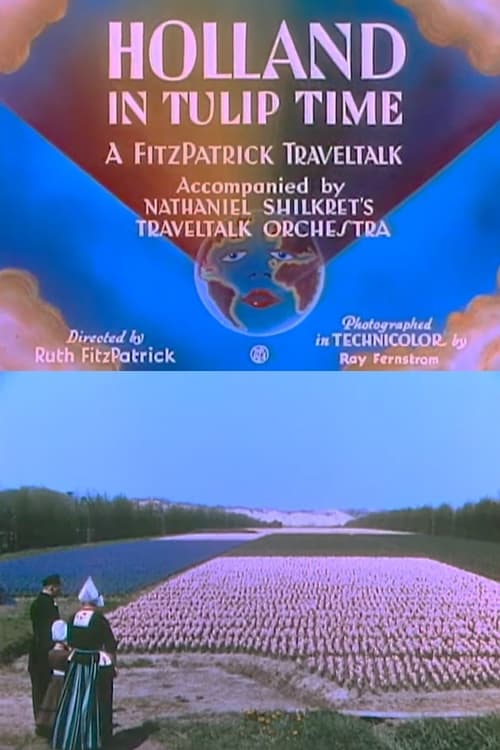
1934
1935
1949
1951
1950
1950
1947
1944
2017
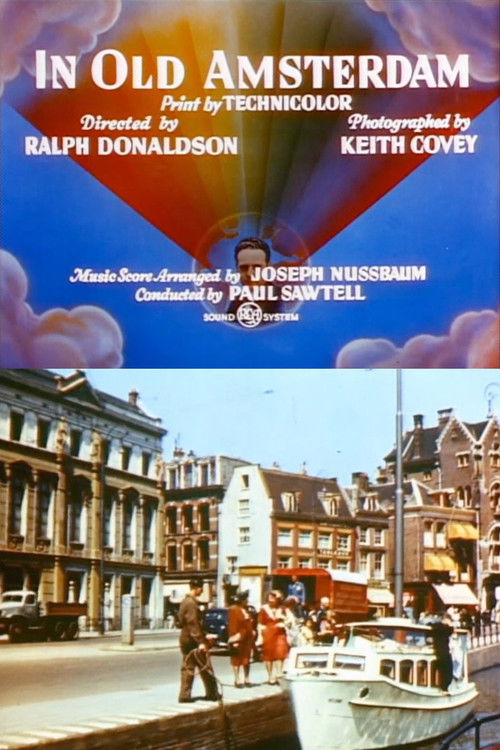
1949
No reviews yet. Be the first to share your thoughts on this movie!
Use the rating form above to leave a star rating and optional review.