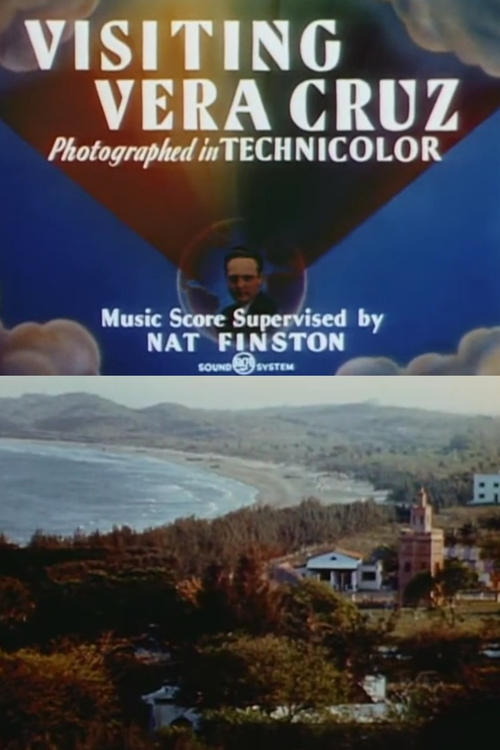
Visiting Vera Cruz
1946
No user ratings available yet
Representation score: 1.6 out of 10
Representation Score
Minimal
1945
ApprovedRuntime
9 minutes
Average Rating
No ratings yetNew Showbiz Analysis
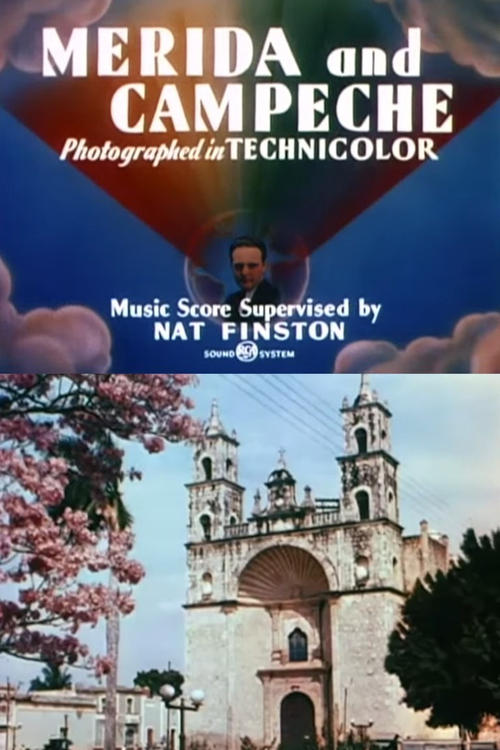
Merida and Campeche serves as a mid-century cultural record of the Yucatán Peninsula. It offers important visibility to Mexican urban centers and their inhabitants, providing a glimpse into the region’s geography and customs in the 1940s. However, the film is constrained by the conventions of its time. It lacks the nuanced character development and systemic critique needed for a modern progressive perspective. The narrative focuses on aesthetic and historical observation rather than complex storytelling. Ultimately, while the film documents non-Western cultures, it does so through a traditional travelogue framework that emphasizes place over individual ability to act.
Category Breakdown
The film does not include any LGBTQ+ characters or stories about non-straight identities. Since it is a 1945 travelogue, these themes are not part of its content.
Women are not shown in positions of authority or intellectual leadership. The film likely follows traditional gender roles typical of mid-century travel cinema.
The documentary highlights the indigenous and mixed-race populations of the Yucatán Peninsula. However, the subjects are often presented through a tourist or ethnographic lens rather than with individual depth.
The film celebrates the regional Mexican identity and history through an observational lens. It operates as a standard record of the area without challenging Western or colonial frameworks.
There is no depiction of individuals with visible or invisible disabilities having their own choices or being central to the narrative.
Present on Screen
Limited or Absent
Official Synopsis
This Traveltalk series short visits two of the most important cities on Mexico's Yucatán Peninsula.
1946

1942

1943
1945
1953
1943
1949
1951
No reviews yet. Be the first to share your thoughts on this movie!
Use the rating form above to leave a star rating and optional review.