Fishing Boats
1958
No user ratings available yet
Representation score: 1.8 out of 10
Representation Score
Limited
1955
Director
Vittorio De Seta
Runtime
11 minutes
Average Rating
No ratings yetNew Showbiz Analysis
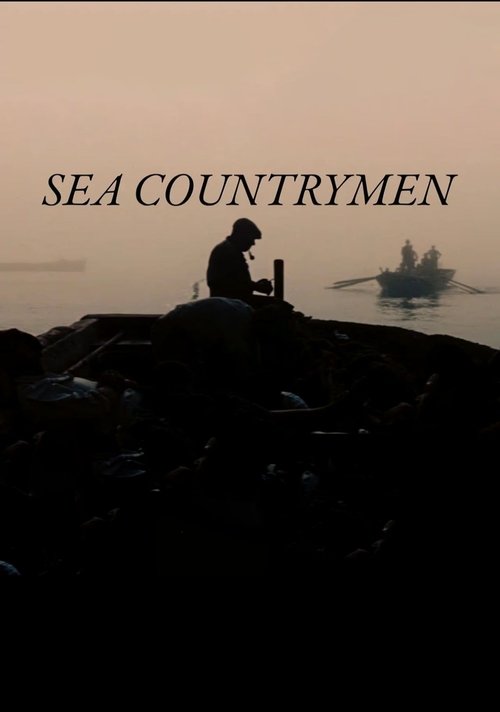
Sea Countrymen serves as a piece of ethnographic realism rather than a narrative designed for social representation. It prioritizes the dignity of labor and the raw realities of a specific socioeconomic group over modern multi-layered benchmarks. The film's value lies in its refusal to sanitize the working-class experience. By centering the role of the laborer, it disrupts cinematic spectacle in favor of observational truth. While it lacks subversion of traditional gender roles or diverse identity politics, it provides a culturally specific window into a communal ecosystem existing outside of modern consumerism.
Category Breakdown
The film focuses solely on the traditional, gendered labor of the Sicilian fishing community. There are no LGBTQ+ characters or narratives exploring non-straight relationships.
The narrative centers on a traditional masculine labor structure. Depicting grueling, physical work reinforces mid-20th-century Mediterranean gender roles without challenging existing hierarchies.
The documentary offers an authentic, localized look at Sicilian identity. It avoids idealized portrayals, instead documenting a specific Mediterranean community often overlooked by mainstream historical narratives.
De Seta highlights a pre-industrial, communal way of life through the ritualistic tuna harvest. The film frames the subjects through a lens of survival and systemic economic hardship.
There is no visible evidence regarding the portrayal of characters with physical or neurodivergent disabilities.
Present on Screen
Limited or Absent
Official Synopsis
Sicily, Granitola, 1955. At the first light of dawn, the fishermen set out in their boats for open water, timing the rhythm of their oars to murmured chants. They set their nets in the sea, regulate the cords, organize the boats in a square. The men’s work becomes increasingly harder as the tuna are hoisted onto the boats, wriggling, beating their tails until death arrives and the water is tinged with blood.
1958
2013
1955

1927

1955

2000
1955

1958
No reviews yet. Be the first to share your thoughts on this movie!
Use the rating form above to leave a star rating and optional review.