
The Flower Girl
1972
No user ratings available yet
Representation score: 5.9 out of 10

Representation Score
Fair
1941
Director
Choi In-kyu
Runtime
73 minutes
Average Rating
No ratings yetNew Showbiz Analysis
Angels on the Street is a work of social realism that emphasizes class-based struggle over identity politics. The narrative centers on the survival of orphans Myeong-ja and Yong-pil within a rigid social hierarchy. While the film offers a critique of institutional failures and systemic neglect, it lacks multi-layered complexity. Characters are primarily defined by their economic status and social vulnerability rather than diverse identity markers. Ultimately, the film reflects the historical and geographic realities of 1941 Korea, focusing on individual resilience amidst societal corruption.
Category Breakdown
The film does not include any queer narratives or non-straight identities. The story focuses solely on the bond between siblings.
Myeong-ja is a central female character who navigates economic hardship. She takes control through her labor, but her role follows traditional depictions of a suffering woman.
The cast is ethnically uniform, reflecting the historical context of Korea in 1941. It operates within a single cultural framework without multi-ethnic representation.
The narrative critiques systemic neglect by showing orphans struggling against corrupt social elements. It highlights the resilience of the sibling bond despite societal failures.
Characters face the vulnerability of being orphans without a safety net. There is no specific portrayal of physical or neurodivergent disabilities with ability to act.
Present on Screen
Limited or Absent
Official Synopsis
Myeong-ja, a flower vendor in Seoul, and her young brother Yong-pil, are orphans who have been taken in by some very bad people. Yong-pil finds refuge in a private orphanage and Myeong-ja takes her chances with a flower customer.
1972
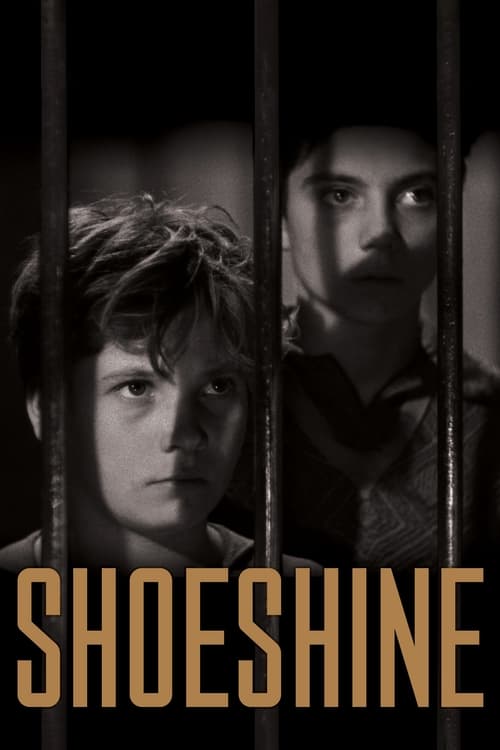
1946
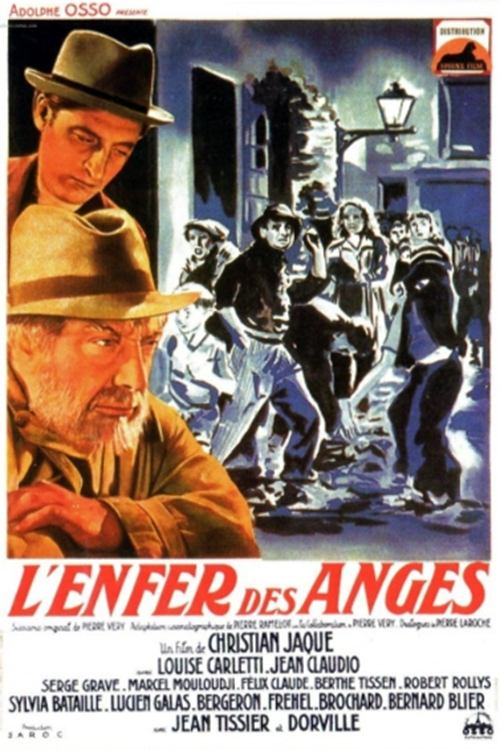
1941
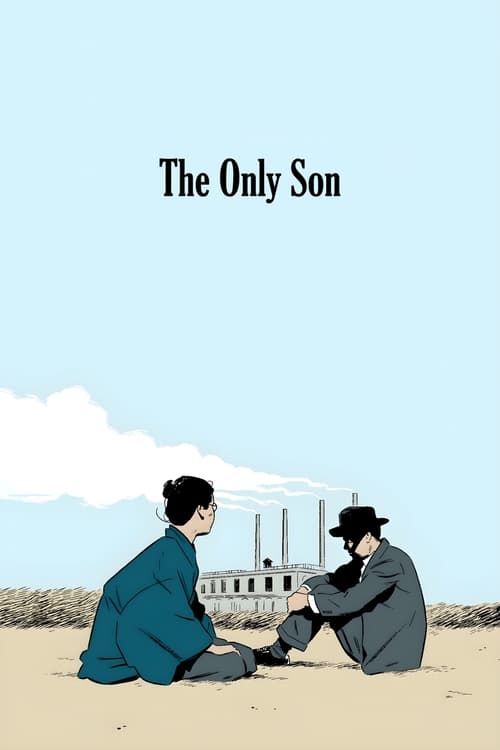
1936

1948

1949

1987

1950
No reviews yet. Be the first to share your thoughts on this movie!
Use the rating form above to leave a star rating and optional review.