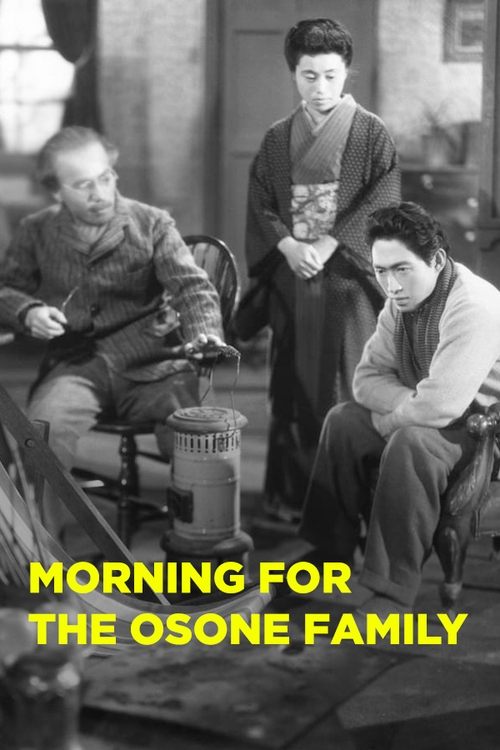
Morning for the Osone Family
1946
No user ratings available yet
Representation score: 4.6 out of 10
Representation Score
Excellent
1948
Director
Hiroshi Shimizu
Runtime
86 minutes
Average Rating
No ratings yetNew Showbiz Analysis
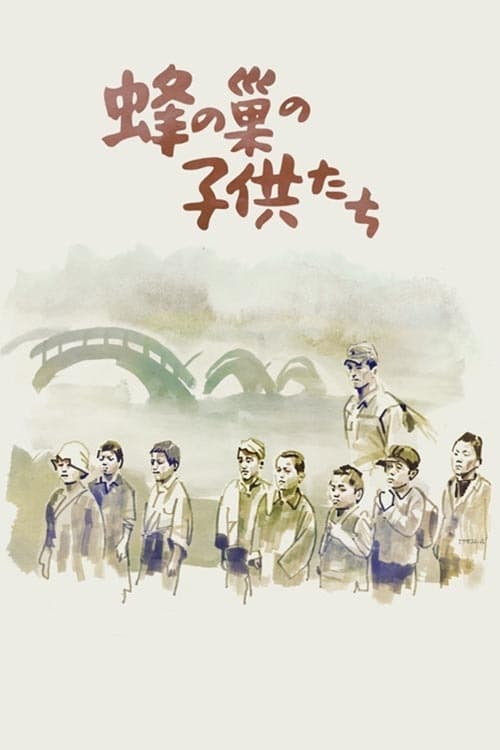
Hiroshi Shimizu employs humanistic realism to explore the lives of those on the margins of society. By focusing on war orphans navigating a landscape of economic necessity, the film prioritizes the active role of displaced youths over idealized institutional narratives. The film serves as a critique of post-war reconstruction and the failure of state safety nets. It replaces traditional social structures with situational ethics and communal survival. While the film lacks specific data on certain identity markers, its strength lies in its deconstruction of the idealized post-war recovery and its focus on underrepresented populations.
Category Breakdown
The film does not explicitly depict any non-straight identities. Considering the historical context of 1948, there is no indication of straight-centered enforcement, though specific character data is not confirmed.
The narrative focuses on orphans whose survival requires breaking down traditional family roles. This emphasis suggests a challenge to stable family structures in favor of fluid, survival-oriented social arrangements.
As a product of post-war Japan, the film offers a crucial non-Western viewpoint. It centers on the Japanese experience of repatriation, diverging from the Anglo-centric narratives prevalent in mid-century cinema.
The film critiques systemic failures by showing orphans forced into black-market survival. It redefines the concept of family through shared struggles rather than traditional blood ties or religious sanctity.
No specific physical or neurodivergent disabilities are shown. However, the orphans' status creates a form of systemic vulnerability and constant instability, similar to many with invisible disabilities.
Present on Screen
Limited or Absent
Official Synopsis
A group of war orphans initially seen scratching out an existence through black market work, as they are taken under the wing of a nameless soldier, just repatriated after the war.
1946

1948

2023
1952
1941
1941

1947
1959
No reviews yet. Be the first to share your thoughts on this movie!
Use the rating form above to leave a star rating and optional review.