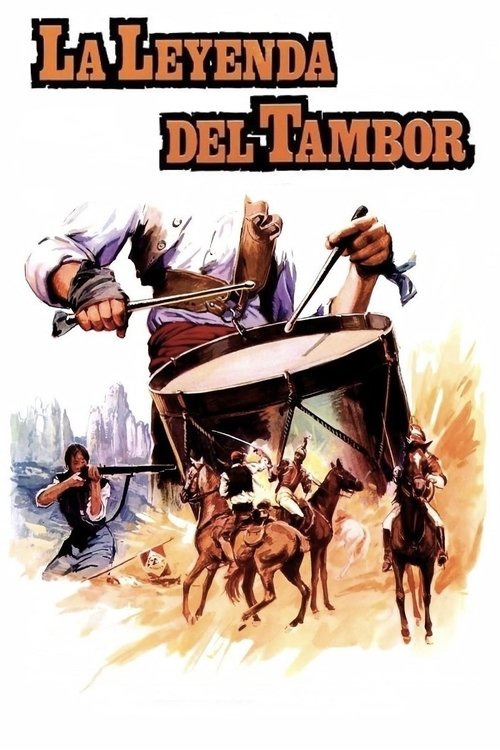
La leyenda del tambor
1981
No user ratings available yet
Representation score: 2.1 out of 10
Representation Score
Fair
1990
Director
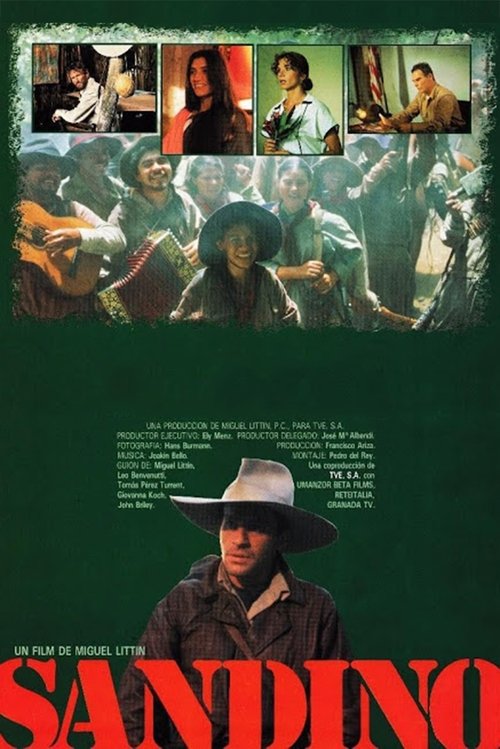
Miguel Littín
Runtime
135 minutes
Average Rating
No ratings yetNew Showbiz Analysis
Sandino is a powerful piece of decolonial cinema that disrupts Western-centric historical narratives. By centering the ability to act of the colonized and the Nicaraguan peasantry, it provides a rigorous critique of imperialist intervention. However, the film remains tethered to the social constraints of its 1920s and 30s setting. The focus on masculine-driven guerrilla warfare results in a lack of gender diversity and a complete absence of LGBTQ+ representation. Ultimately, the film's strength lies in its racial and cultural depth. It shifts away from traditional Hollywood perspectives to offer a sophisticated, post-colonial framework that prioritizes local sovereignty and anti-imperialist struggle.
Category Breakdown
The film focuses on the geopolitical and militaristic mobilization of the Nicaraguan peasantry. There is no presence of LGBTQ+ characters or non-straight relationships within this historical setting.
Narrative ability to act is heavily concentrated in male revolutionary figures and patriarchal military structures. While depicting a collective struggle, the film offers limited subversion of traditional gender roles.
The film excels by centering mestizo and indigenous identities over Anglo-centric perspectives. It prioritizes the lived experiences of the Nicaraguan rural population to reclaim national sovereignty.
This work functions as a profound critique of Western imperialism and foreign military intervention. It portrays foreign military intervention as an oppressive force against grassroots revolutionary movements.
Disability is not a central theme in the narrative. There is no evidence of characters with disabilities being used as primary plot devices.
Present on Screen
Limited or Absent
Official Synopsis
Narrative of a period of life (1926 - 1934) of the Nicaraguan revolutionary leader Sandino, who was known as "The general of free men."
1981
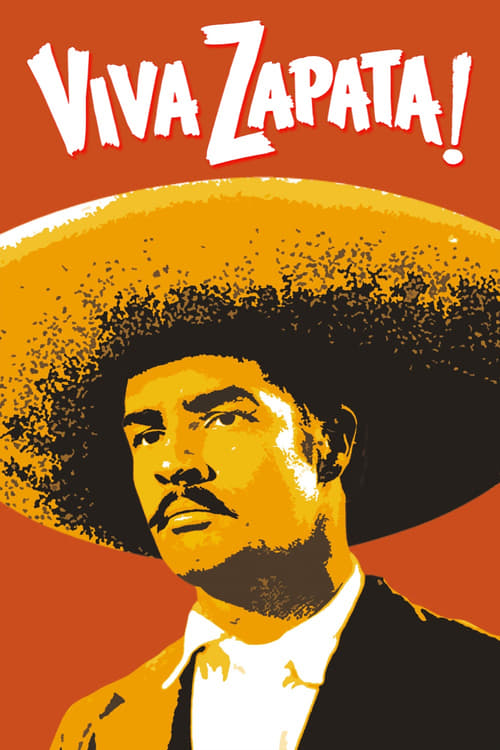
1952
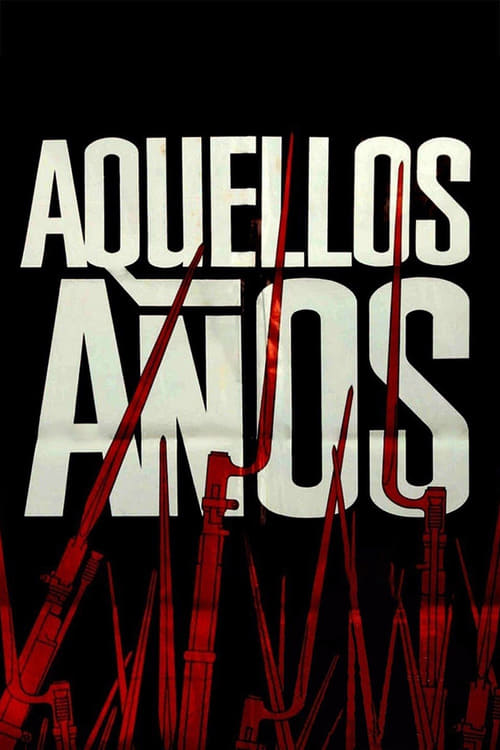
1974
1972
2007
2013
1977
2008
No reviews yet. Be the first to share your thoughts on this movie!
Use the rating form above to leave a star rating and optional review.