Those Years
1974
No user ratings available yet
Representation score: 3.0 out of 10
Representation Score
Fair
1977
Director
Julián Pastor
Runtime
120 minutes
Average Rating
No ratings yetNew Showbiz Analysis
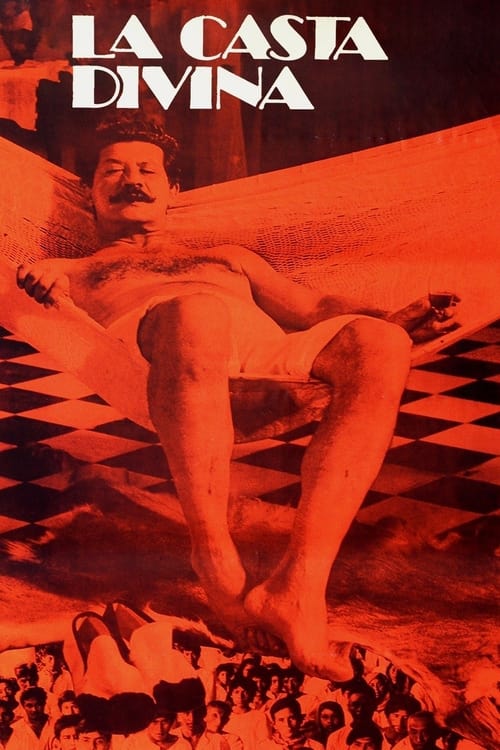
La casta divina is a historical drama that excels in its thematic commitment to social critique. By focusing on the Caste War, the film highlights the ability to act of ethnic characters and examines the tension between revolutionary movements and established hierarchies. However, the film's scope is narrow when it comes to identity. The narrative is heavily centered on masculine spheres of war and land ownership, leaving little room for gender diversity or queer representation. The focus remains strictly on class-based and ethnic struggles. Ultimately, the film's value lies in its deconstruction of inherited privilege. While it lacks breadth in individual identity representation, its systemic critique of oppressive socioeconomic structures provides a progressive historical perspective.
Category Breakdown
The film does not include any queer narratives or characters with non-straight identities. The story focuses solely on the socio-political conflicts of 19th-century Yucatán.
Male figures such as General Alvarado and Colonel Argumedo dominate leadership roles. While the plot criticizes patriarchal ownership, female characters do not have prominent storylines.
The narrative centers on the Caste War, giving a significant role in driving the story to ethnic characters. It explores the conflict between indigenous revolutionary forces and the landed elite.
The film critiques the corruption of traditional landed institutions. It uses historical revisionism to challenge the morality of the ruling 'divine caste.'
There is no documented evidence regarding the portrayal of physical or neurodivergent characters in this historical drama.
Present on Screen
Limited or Absent
Official Synopsis
Chronicle Caste War in Yucatan held in the nineteenth century, where the land and the people were the property of the landowners, who called themselves " divine caste ". On one hand, General Salvador Alvarado organized the revolution; on the other, the landowners hire Colonel Ortiz Argumedo to organized the defense of their autonomy. Don Wilfrido, one of the masters, do not hesitate to send his son to fight to maintain their wealth and privileges.
1974
1952
1981
1969
1990
2012
1975

1942
No reviews yet. Be the first to share your thoughts on this movie!
Use the rating form above to leave a star rating and optional review.