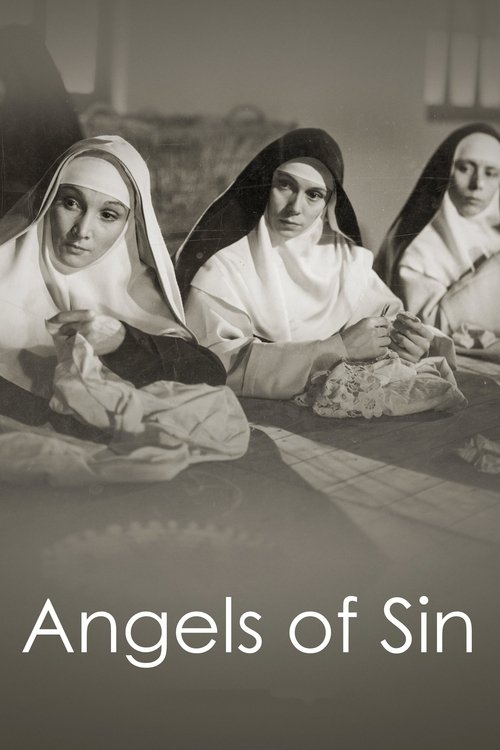
Angels of Sin
1943
No user ratings available yet
Representation score: 5.3 out of 10

Representation Score
Minimal
1950
GDirector
Tito Davison
Runtime
95 minutes
Average Rating
No ratings yetNew Showbiz Analysis
Doña Diabla is a period drama that operates within a highly traditional framework. The narrative structure, centered on a woman seeking religious absolution after a crime, reinforces established social and institutional hierarchies rather than challenging them. The film adheres to the conventional cinematic standards of 1950, focusing on singular moral absolutes and religious authority, and offers little room for diverse perspectives or systemic critique.
Category Breakdown
The film does not include any characters with non-conventional gender identities. The story revolves around a religious confession, which emphasizes traditional moral frameworks.
While the story centers on a woman, it relies on mid-century clichés about female behavior. The protagonist navigates a crisis within traditional patriarchal structures.
The production reflects the demographic norms of 1950. There is no indication of a diverse or non-Anglo-Saxon majority cast.
The setting prioritizes religious institutions as the main arbiters of morality. The film reinforces traditional Western institutional values through the framework of confession.
There is no evidence of characters with visible or invisible disabilities in the narrative.
Present on Screen
Limited or Absent
Official Synopsis
A woman, after committing a murder, flees into a church, confessing her life story to a priest.
1943

1939
1960
1964
1952
1958
1949
1940
No reviews yet. Be the first to share your thoughts on this movie!
Use the rating form above to leave a star rating and optional review.