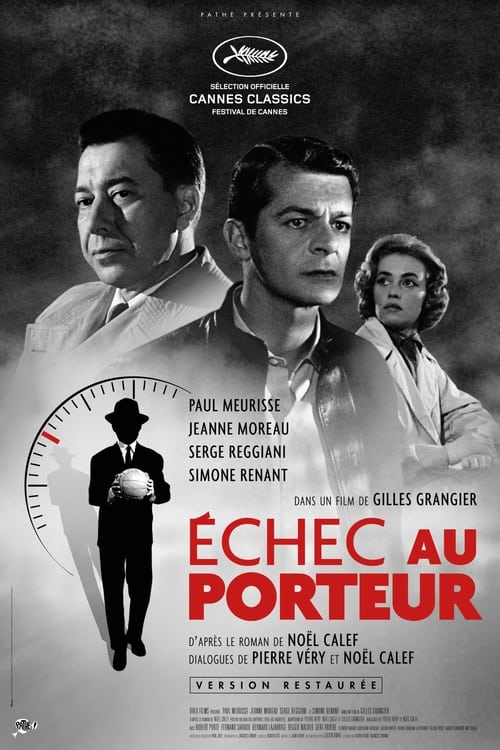
Not Delivered
1958
No user ratings available yet
Diversity score: 2.6 out of 10
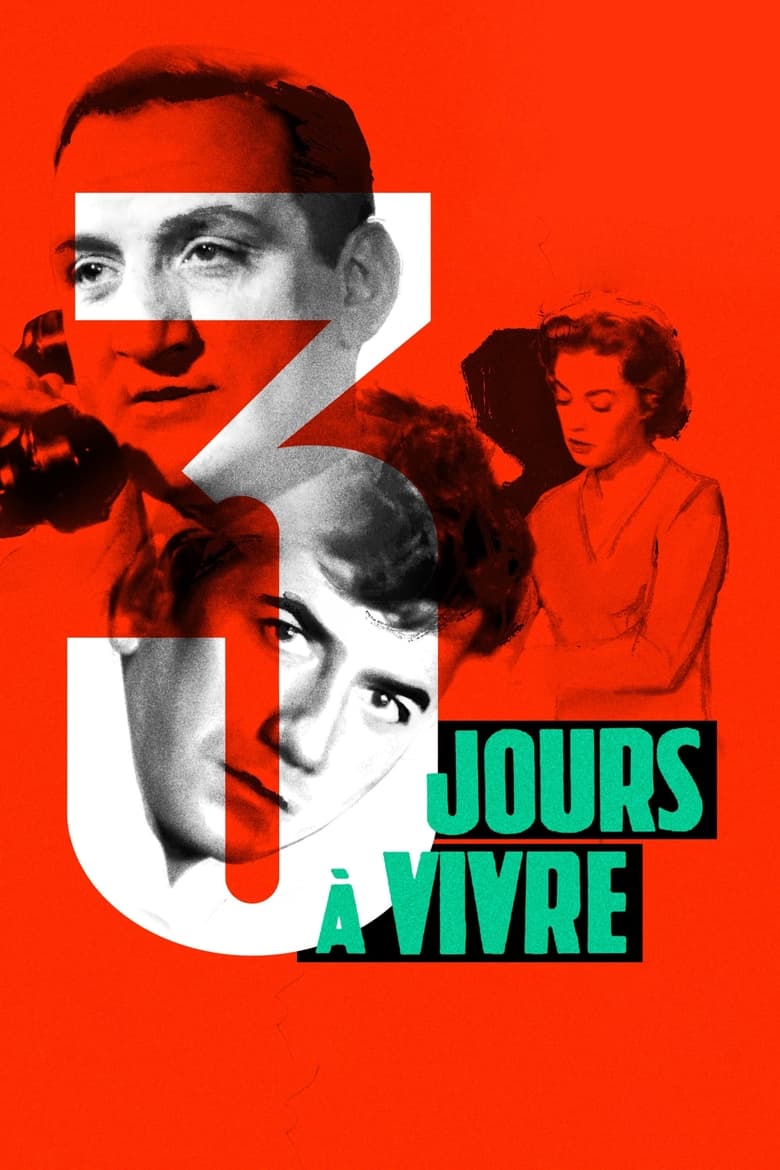
1958
Director
Gilles Grangier
Runtime
85 minutes
Average Rating
No ratings yetSynopsis
Trois jour à vivre (Three Days to Live) takes off with a bang when two-bit actor Daniel Gelin witnesses a murder. He didn't see the killer, but that doesn't stop him from claiming that he did in order to get his name into the papers. Sure enough, the murderer targets Gelin as his next victim. Our hero is temporarily rescued by Jeanne Moreau, an aspiring actress who has always had a crush on him.
Overall Score
Limited
Category Breakdown
LGBTQ+ Representation
The film follows traditional heteronormative structures common to the 1950s. The central romantic dynamic is limited to a male protagonist and a female actress, with no evidence of same-sex intimacy.
Gender Representation
The story centers on a male protagonist's existential crisis and agency. While Jeanne provides crucial assistance, she functions primarily within the supportive female archetype common to mid-century drama.
Racial & Ethnic Diversity
The production reflects the demographic homogeneity of late 1950s French cinema. The narrative focuses on Parisian social strata without incorporating diverse casting to challenge historical norms.
Religious & Cultural Diversity
The film explores individual morality and mortality rather than systemic critique. It focuses on character studies within Parisian life without prioritizing secularism or anti-capitalist narratives.
Disability Representation
There is no evidence of neurodivergence or physical disabilities driving the plot. The narrative focus remains strictly on the protagonist's psychological response to his own mortality.
Strengths
Areas for Improvement
AI Analysis
Three Days to Live is a conventional mid-century crime drama that adheres strictly to the social and cinematic norms of 1958. The narrative is built around a male-centric perspective, focusing on individual morality and the psychological weight of mortality. The film lacks intentionality regarding the disruption of systemic hierarchies. It operates within established genre tropes, utilizing traditional character archetypes and a demographic profile typical of the era's French productions. Ultimately, the work functions as a localized character study. It does not seek to challenge gender roles, racial homogeneity, or social structures, remaining firmly within the period's standard dramatic framework.
1958
1955
1957
1960
1954
1966

1953
1969
1970

2001

1958
1951
No reviews yet. Be the first to share your thoughts on this movie!
Use the rating form above to leave a star rating and optional review.