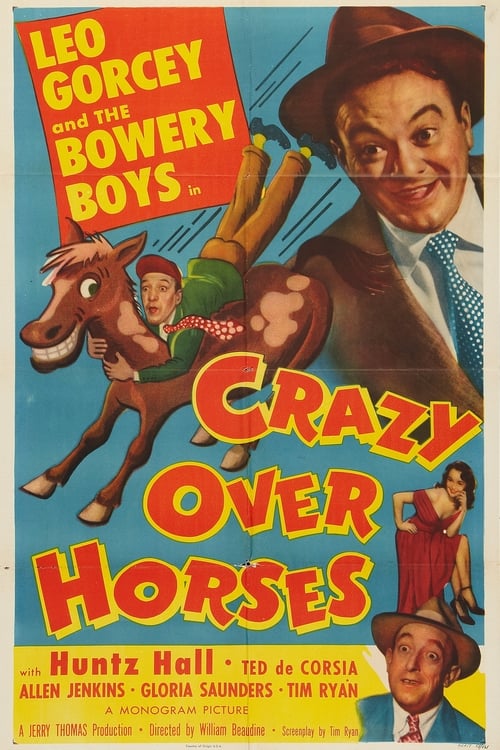
Crazy Over Horses
1951
No user ratings available yet
Representation score: 1.3 out of 10
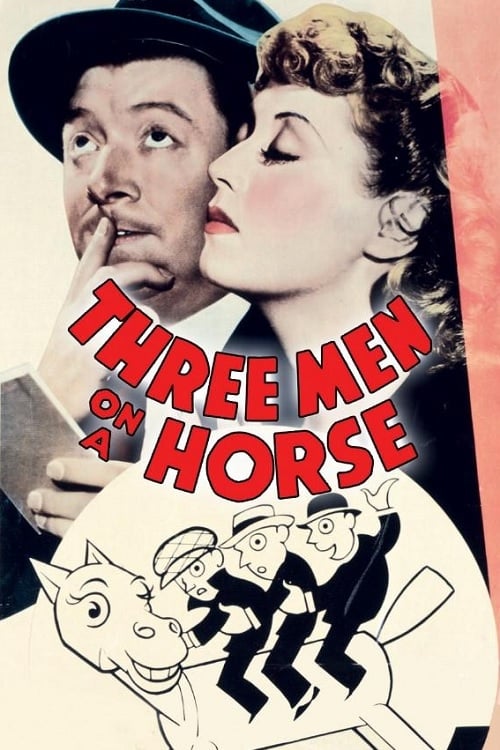
Representation Score
Minimal
1936
ApprovedDirector
Mervyn LeRoy
Runtime
86 minutes
Average Rating
No ratings yetNew Showbiz Analysis
Three Men on a Horse is a classic example of 1930s filmmaking, focusing on genre clichés and male-driven narratives. The film reinforces the era's demographic norms through a homogeneous cast and a storyline centered on male camaraderie. While it presents a lighthearted view of 'lovable rogues' and gambling, it does not challenge the broader social or institutional hierarchies of its time. It remains a traditional comedy that adheres to the social landscapes of early Hollywood.
Category Breakdown
The film centers on male friendships and assumes everyone is straight or cisgender. There are no non-cisgender identities or same-sex relationships shown.
Men take a leading role in driving the plot, while women have limited influence and mostly play supporting roles.
The cast is primarily made up of white actors, reflecting the casting standards of the 1930s. There is no significant racial or ethnic diversity.
The story uses gambling and get-rich-quick schemes as comedic elements within Western institutions without critiquing them.
There are no physical, sensory, or neurodivergent disabilities depicted. Characters are portrayed using standard comedic archetypes without addressing disability.
Present on Screen
Limited or Absent
Official Synopsis
A meek salesman with an uncanny ability to pick horses is virtually kidnapped by a trio of gamblers.
1951
1926
1946
1939
1941
1939
1950
1956
No reviews yet. Be the first to share your thoughts on this movie!
Use the rating form above to leave a star rating and optional review.