So You Want to Be a Salesman
1947
No user ratings available yet
Representation score: 0.8 out of 10
Representation Score
Minimal
1941
ApprovedDirector
Harry D'Arcy
Runtime
18 minutes
Average Rating
No ratings yetNew Showbiz Analysis
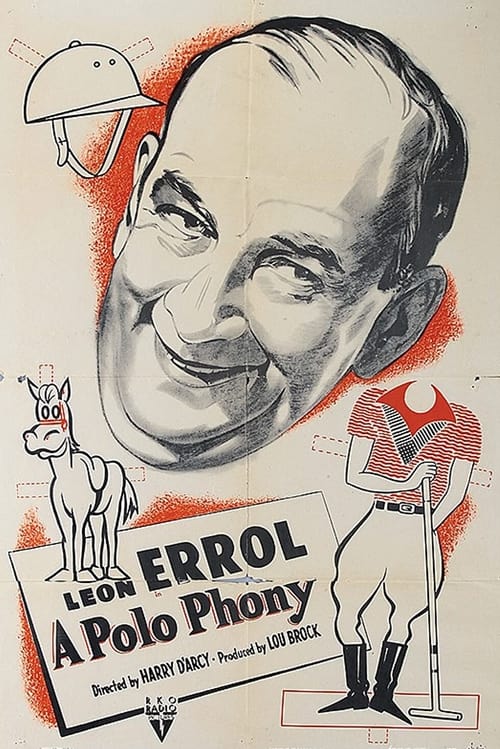
A Polo Phony is a typical mid-century comedy that follows the 'fish out of water' cliché. The plot centers on a salesman's journey through elite social circles to achieve business success. The film upholds the social and narrative structures of its time, focusing on escapism and traditional norms rather than challenging systemic power or identity. Overall, the film serves as a period piece that mirrors the homogeneous and traditional social norms of 1941.
Category Breakdown
The film does not include any characters with LGBTQ+ identities, sticking to the heterosexual norms of 1941 cinema.
The story revolves around a male character dealing with professional and social hierarchies, likely reinforcing traditional gender roles.
Set in an exclusive polo club, the film depicts a society that seems homogeneous, with no significant racial diversity in the plot.
The narrative examines capitalism and ambition through a traditional lens, reflecting mid-century Western commercial values.
There are no characters with visible or invisible disabilities in the film, nor are such characters integrated into the story.
Present on Screen
Limited or Absent
Official Synopsis
Salesman Leon Errol joins a polo club to secure an order from a tough-sell member. He manages to gum up the deal for his company and gets fired.
1947
1936

1936

1949

1936
1947
1952
1930
No reviews yet. Be the first to share your thoughts on this movie!
Use the rating form above to leave a star rating and optional review.