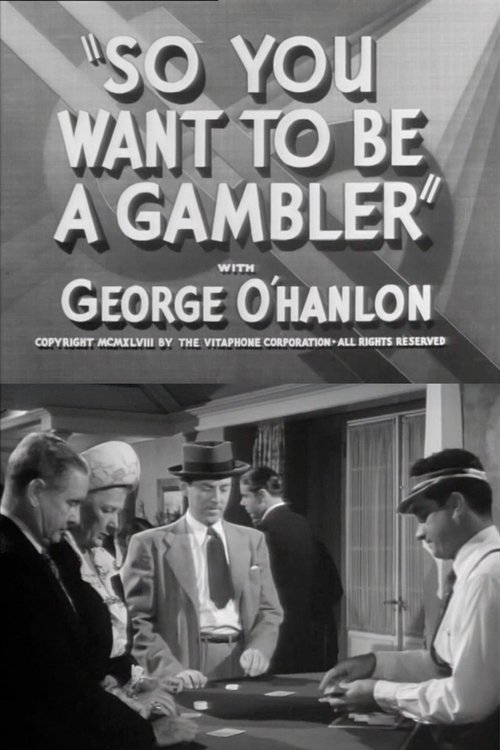
So You Want to Be a Gambler
1948
No user ratings available yet
Representation score: 0.4 out of 10
No Poster Available
Representation Score
Minimal
1946
ApprovedDirector
Richard L. Bare
Runtime
11 minutes
Average Rating
No ratings yetNew Showbiz Analysis
This 1946 comedy adheres closely to the genre conventions and social hierarchies of its time. The narrative centers on a male protagonist dealing with horse racing and false accusations, following the typical clichés of mid-century Western films. The film lacks complexity in addressing diverse identities and experiences. It offers a straightforward resolution to situational conflicts without challenging the status quo. The production remains firmly within the cultural and social boundaries of the 1940s Western frontier.
Category Breakdown
The film does not include any LGBTQ+ characters or themes. There are no characters representing non-cisgender identities.
The story follows traditional 1940s gender roles, with the male protagonist having the most influence and control over the plot. Female characters do not have prominent roles or leadership.
The cast is predominantly white, reflecting the casting practices of the time. Characters of color are not given significant roles or ability to act in the story.
The film upholds the social norms and values of mid-20th century Western society. It does not offer any critique of institutions or modern moral relativism.
The film does not feature any characters with visible or invisible disabilities. There are no plot devices centered around disability.
Present on Screen
Limited or Absent
Official Synopsis
In this outing, Joe loves playing the horses and shows what you can do to improve your odds of winning.
1948
1937
1951
1928
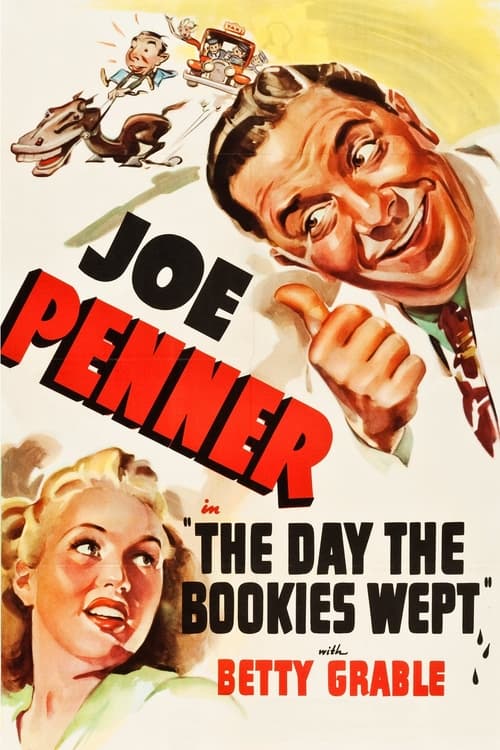
1939
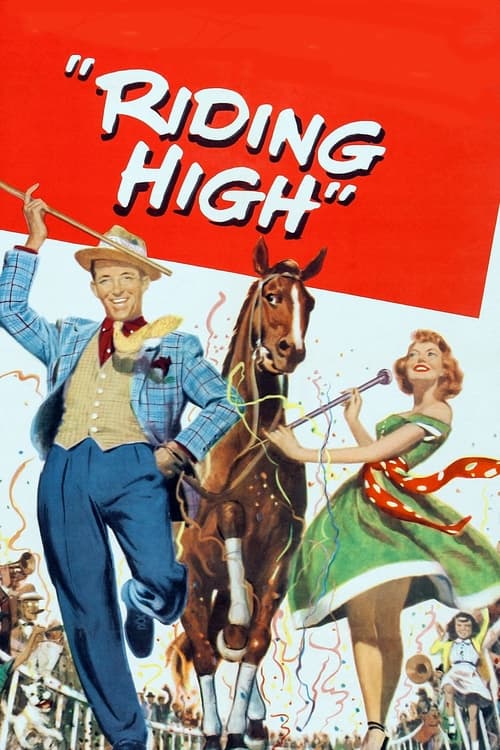
1950
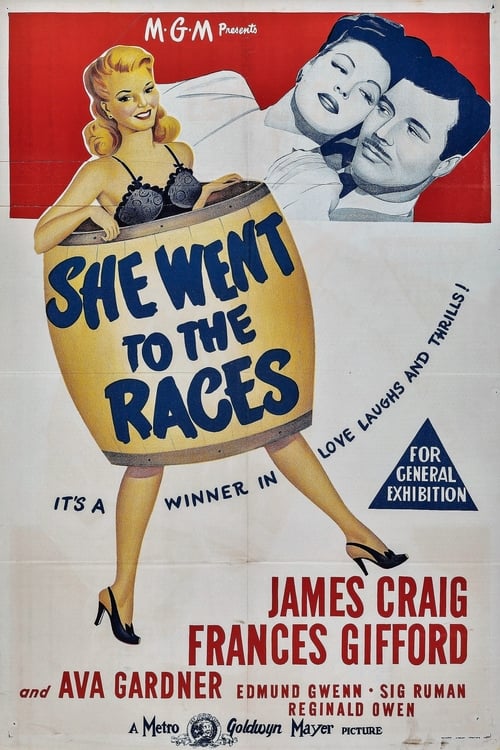
1945
1951
No reviews yet. Be the first to share your thoughts on this movie!
Use the rating form above to leave a star rating and optional review.