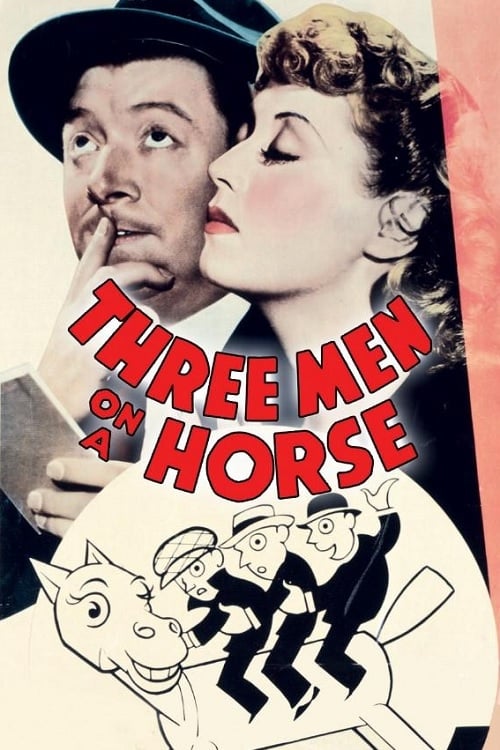
Three Men on a Horse
1936
No user ratings available yet
Representation score: 0.7 out of 10
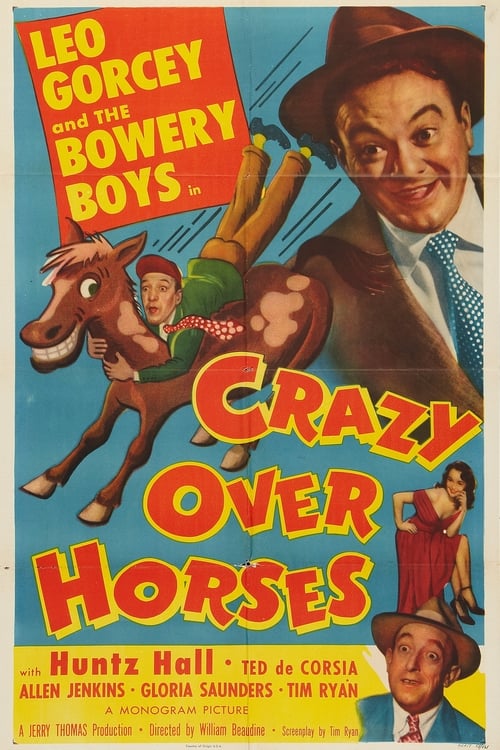
Representation Score
Minimal
1951
ApprovedDirector
William Beaudine
Runtime
65 minutes
Average Rating
No ratings yetNew Showbiz Analysis
Crazy Over Horses is a quintessential product of its era, adhering to mid-century studio formulas rather than narrative complexity. The film reinforces existing social hierarchies without challenging them, relying on established archetypes to drive its comedic plot. The lack of diversity reflects the 1951 industry landscape. The story centers on a homogeneous group within a ranch setting, offering a narrow view of American life that avoids considering multiple aspects of identity.
Category Breakdown
The film follows strict 1950s standards where everyone is assumed to be straight or cisgender. There are no characters representing non-traditional gender identities or sexual orientations.
The narrative follows traditional gender roles and courtship structures. The female lead is central to the romantic storyline, but other characters mainly serve as romantic interests or comedic relief.
The cast is homogeneous, reflecting the industry norms of the mid-century. The ranch setting includes no characters of color with significant roles, mirroring the era’s demographics.
The story upholds traditional Western values through a ranching lifestyle. It avoids critiquing social institutions and focuses on light-hearted musical escapism and conventional socioeconomic contexts.
There are no visible or invisible disabilities depicted in the film. Characters are portrayed through standard musical comedy archetypes without any representation of disability.
Present on Screen
Limited or Absent
Official Synopsis
The boys get mixed up with a race horse & crooked gamblers
1936
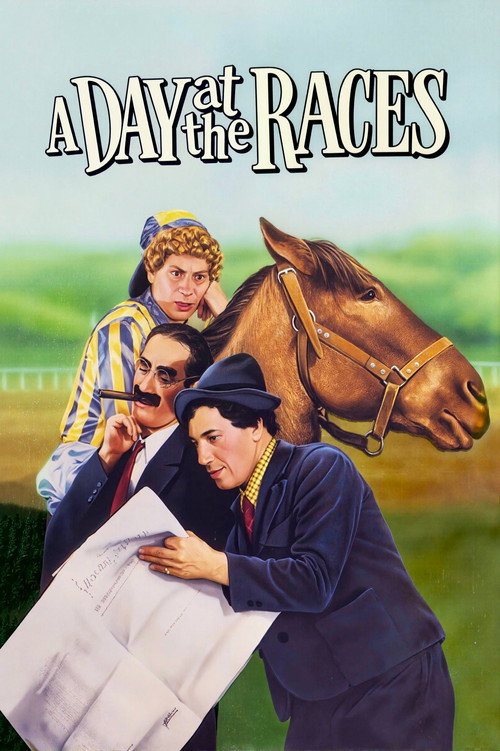
1937
1946

1923
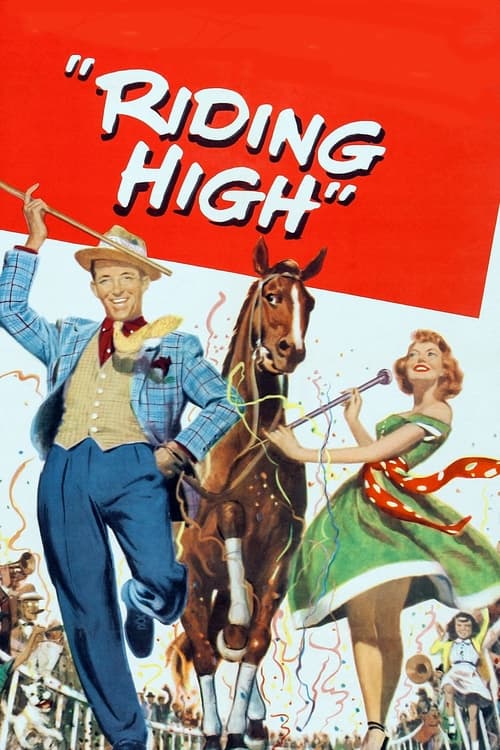
1950
1949
1951
1939
No reviews yet. Be the first to share your thoughts on this movie!
Use the rating form above to leave a star rating and optional review.