Schlock! The Secret History of American Movies
2001
No user ratings available yet
Diversity score: 6.0 out of 10
2015
Director
Calum Waddell
Runtime
82 minutes
Average Rating
No ratings yetSynopsis
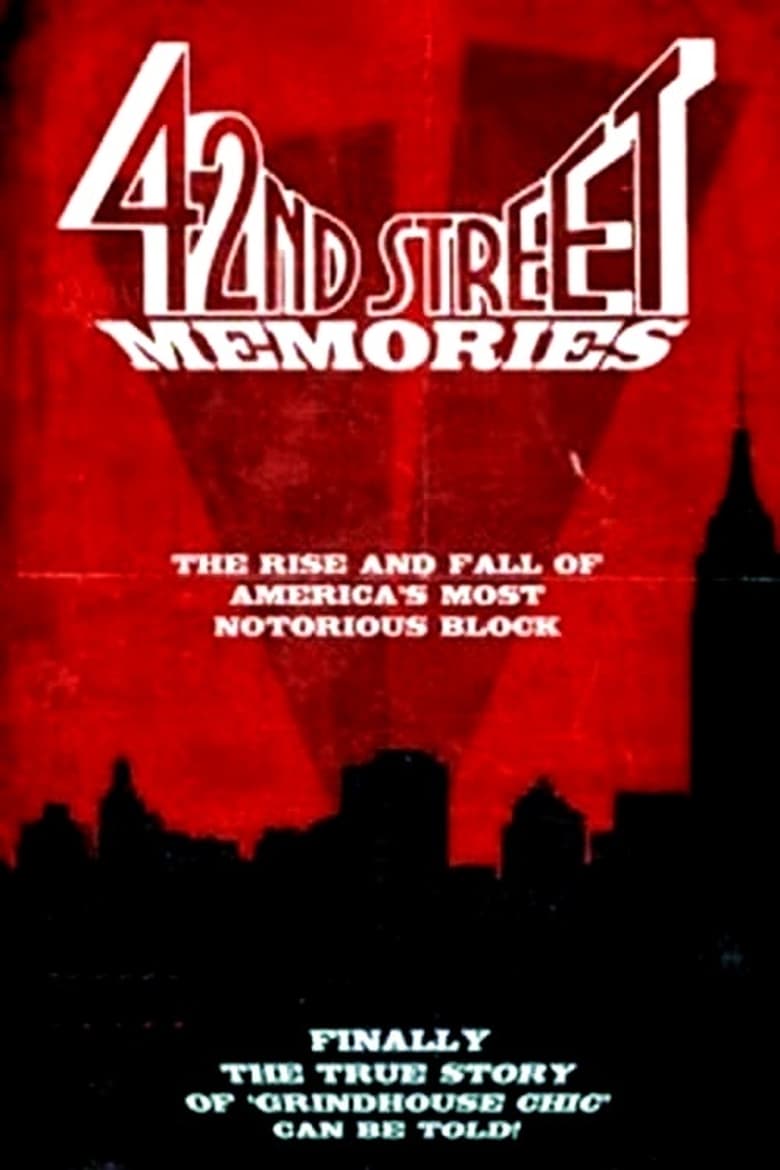
The story behind the rise and fall of New York's 42nd Street. The cinemas, the films, the people, the crime and the rebirth of the block as "New 42nd Street" - this is the document of the world's most notorious movie strip.
Overall Score
Fair
Category Breakdown
LGBTQ+ Representation
The film captures the marginalized subcultures that occupied the fringes of 42nd Street during its most notorious era. While these non-normative social interactions are part of the urban landscape, they are not the primary narrative driver.
Gender Representation
The documentary follows a historical trajectory focused on crime, commerce, and urban planning. Agency often rests with institutional or male-dominated hierarchies, though the human interest elements likely include female perspectives from the street's cinematic history.
Racial & Ethnic Diversity
The narrative engages with the ethnic plurality of New York City through the lens of demographic shifts and migration. It captures the socioeconomic realities of diverse populations without centering specific racial agency.
Religious & Cultural Diversity
The film deconstructs traditional notions of civic morality by documenting the breakdown of institutional control. It explores the friction between established social structures and the chaotic, organic life of the urban district.
Disability Representation
There is no specific evidence regarding the portrayal of individuals with disabilities. Any such representation would likely be incidental to the archival footage of the era.
Strengths
Areas for Improvement
AI Analysis
This documentary functions as a sociological retrospective of a specific urban geography. It prioritizes the historical arc of New York's 42nd Street—tracing its evolution from a cinematic hub to a center of crime and eventual rebirth—over a targeted interrogation of identity politics. The film provides a nuanced look at the complex, non-normative social ecosystems of a historic district. However, the focus remains on the street as a singular entity rather than a deep study of individual diverse identities. Ultimately, the work serves as a mid-range document that captures the intersection of race, culture, and urban decay through the lens of historical change.
2001
2013
2019

1959
1968
2007
2010
2015

2017
2007
2012
2008
No reviews yet. Be the first to share your thoughts on this movie!
Use the rating form above to leave a star rating and optional review.