The Movement of Things
1985
No user ratings available yet
Representation score: 5.2 out of 10
Representation Score
Fair
1990
Director
Šarūnas Bartas
Runtime
40 minutes
Average Rating
No ratings yetNew Showbiz Analysis
Šarūnas Bartas employs a highly stylized, contemplative approach to explore existential themes through long takes and minimalist narratives. The film acts as an observational study of urban existence, capturing the restless movement of pedestrians and the bustling noise of a city in transition. While the work avoids heavy-handed commercial clichés by using a fragmented, perspectival gaze, it lacks explicit representation of diverse characters. The narrative focuses on the mundane and the transient rather than overt demographic representation. Ultimately, the film's strength lies in its disruption of conventional storytelling structures. However, the absence of visible representation across several key categories results in a moderate diversity score.
Category Breakdown
The film serves as a slice-of-life documentary focusing on urban life. There are no visible LGBTQ+ characters or stories addressing non-straight relationships.
A woman and her child are the central figures in the film. This places them in primary roles, disrupting traditional cinematic practices that often sideline women.
The documentary captures a specific location during a period of geopolitical change. It reflects the demographic reality of the setting without showing intentional diversity in casting.
The film explores existential themes and the passage of time through a transitional landscape. It favors a subjective, postmodern perspective over singular religious or institutional ideas.
There is no documented evidence regarding the portrayal of individuals with physical or neurodivergent disabilities in this work.
Present on Screen
Limited or Absent
Official Synopsis
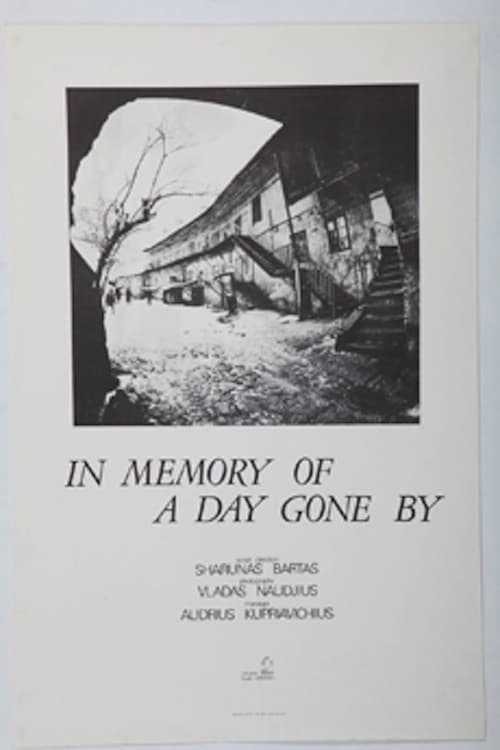
The film is a day in the life that passes by, even if it seems neverending. In the morning the streets are alive with people, pedestrians and cars, with loud and exultant noise. Such sounds accompany the restless walk of a woman and her child across a dusty street, while Bartas’ gaze wanders through many different perspectives.
1985

1927

1988
1929
1974

2011

1994

1988
No reviews yet. Be the first to share your thoughts on this movie!
Use the rating form above to leave a star rating and optional review.