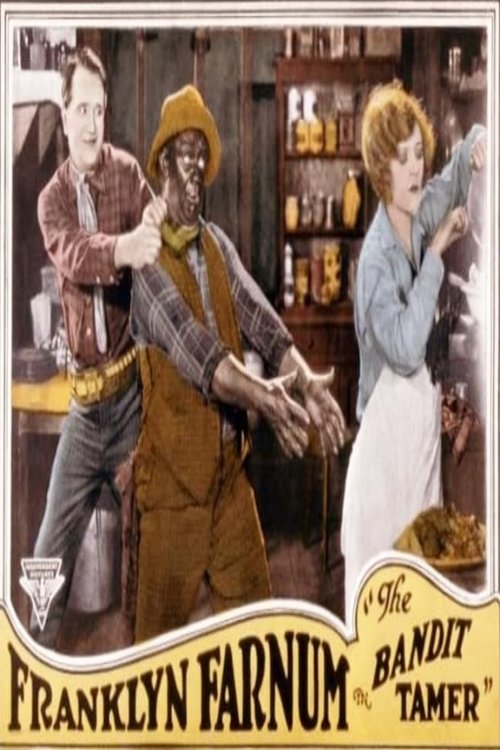
The Bandit Tamer
1925
No user ratings available yet
Representation score: 0.6 out of 10
No Poster Available
Representation Score
Minimal
1926
PassedDirector
Harry Joe Brown
Runtime
55 minutes
Average Rating
No ratings yetNew Showbiz Analysis
Broadway Billy is a product of 1920s Hollywood, a period defined by conventional social hierarchies and Western-centric storytelling. As an action-drama, it prioritizes physical spectacle and traditional melodrama over diverse character perspectives. The film operates within the standard genre frameworks of its time, which lacked intentionality regarding characters who reflect more than one aspect of diversity. It functions as a conventional piece of silent-era cinema, reinforcing the status quo rather than disrupting it. Ultimately, the film's lack of diverse representation reflects the era's cinematic standards, focusing on established social orders and heterosexual romance.
Category Breakdown
The film does not include any queer narratives or characters with non-binary gender identities. The romance genre in 1926 usually relied on strictly heterosexual structures to advance the plot.
Female characters likely play traditional roles such as the vamp or ingenue. It is unclear whether the film challenges or reinforces these standard gender roles.
The production reflects the era's high degree of homogeneity, centered around white, Anglo-Saxon protagonists. There is no indication of significant non-white involvement or diverse casting.
The narrative likely adheres to traditional Western values and moral binaries. There is no evidence of secularist or anti-institutional themes within this period's framework.
There is no information available regarding the inclusion of characters with visible or invisible disabilities.
Present on Screen
Limited or Absent
Official Synopsis
Broadway Billy is a 1926 American silent drama film directed by Harry Joe Brown.
1925

1928

1926
1936
1923
1914
1929
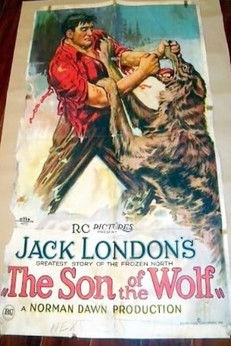
1922
No reviews yet. Be the first to share your thoughts on this movie!
Use the rating form above to leave a star rating and optional review.