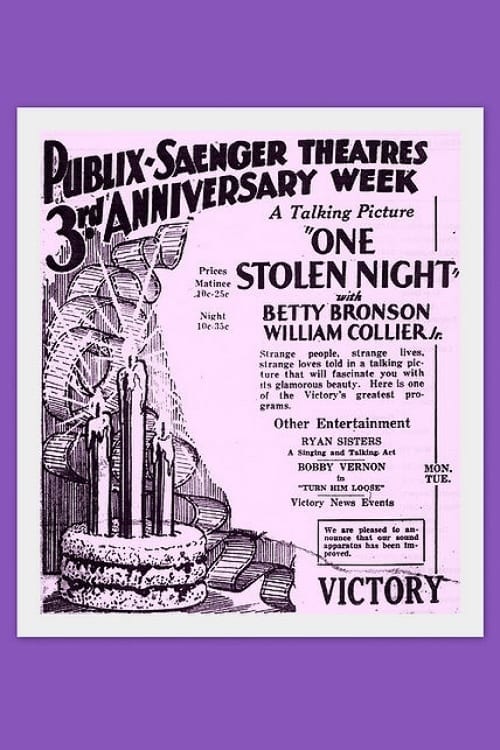
One Stolen Night
1929
No user ratings available yet
Representation score: 1.5 out of 10
Representation Score
Minimal
1928
PassedDirector
Elmer Clifton
Runtime
59 minutes
Average Rating
No ratings yetNew Showbiz Analysis
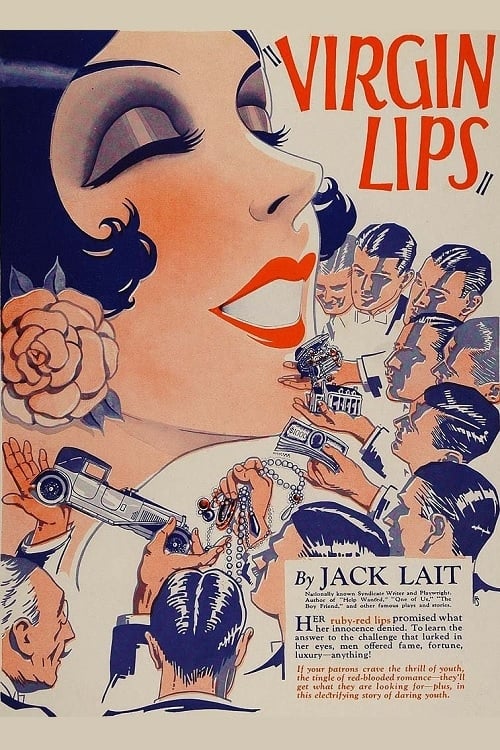
Virgin Lips is a quintessential product of the late 1920s, leaning heavily into the melodramatic clichés of its era. The narrative structure prioritizes a traditional romantic arc where the female lead's safety is ultimately dependent on a male savior. The film's setting and character dynamics reflect the colonialist perspectives common in early Western cinema. By placing American protagonists in a 'banana republic' context, the story maintains a Western-centric viewpoint that lacks depth in reflecting multiple aspects of identity. Ultimately, the film reinforces established social hierarchies rather than challenging them. It relies on conventional gender archetypes and a binary view of morality to drive its action-oriented plot.
Category Breakdown
The film does not include any LGBTQ+ characters or non-straight relationships. The main storyline revolves around a typical romance between a woman and a male aviator.
Norma is portrayed through vulnerability and moral ambiguity, with her role tied to her appearance. Her rescue by Barry Blake emphasizes traditional hierarchies of male protection and female passivity.
The 'banana republic' setting suggests a colonialist perspective. While El Presidente is mentioned, the narrative centers on American protagonists navigating foreign territories.
The film adheres to traditional Western values of the 1920s. It focuses on individual romantic salvation and binary morality rather than critiquing social or cultural institutions.
There are no visible or mentioned depictions of physical or neurodivergent disabilities within the narrative.
Present on Screen
Limited or Absent
Official Synopsis
In a banana republic, way south of the Texas border, a dumb-Dora American girl, Norma (Olive Borden), lets her ruby-red lips promise more than she is willing to deliver, and she finds herself a prisoner in a notorious dance-hall/brothel. But her American aviator boyfriend, Barry Blake (John Boles), is flying to her rescue. He does just that but, alas, they are quickly captured by a gang of outlaws. Possibly the many expensive pieces of jewelry she has gathered from the many male friends she has made along the way, including El Presidente, captured the outlaws' attention.
1929
1930
1922
1920
1925
1932
1937

1926
No reviews yet. Be the first to share your thoughts on this movie!
Use the rating form above to leave a star rating and optional review.