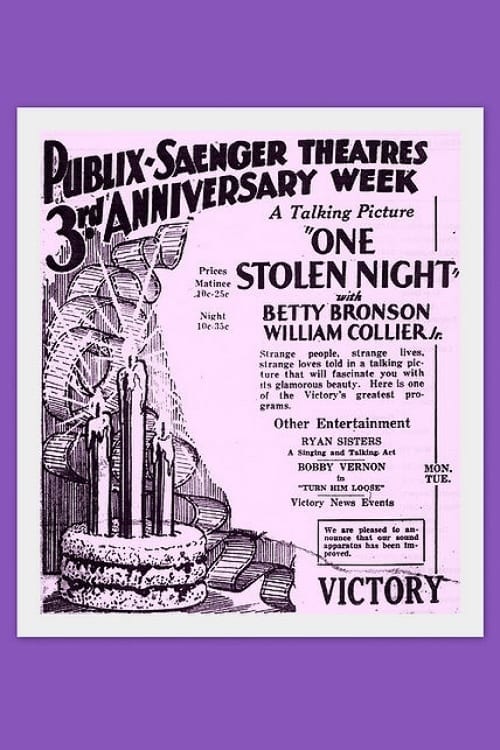
One Stolen Night
1929
No user ratings available yet
Representation score: 1.5 out of 10
Representation Score
Minimal
1926
PassedDirector
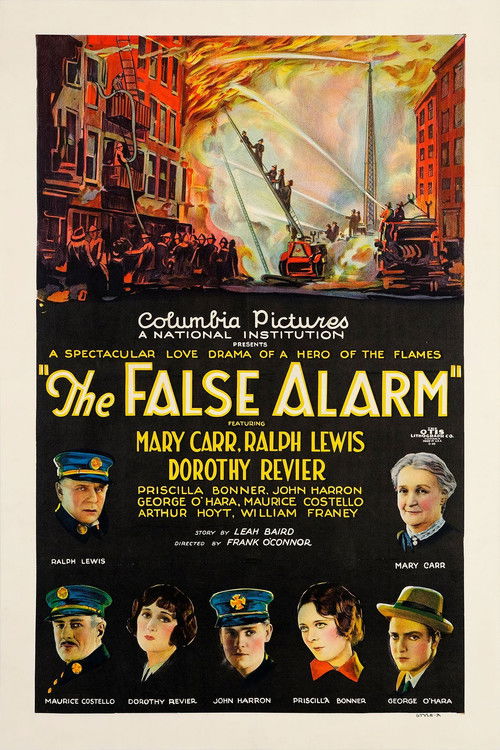
Frank O'Connor
Runtime
57 minutes
Average Rating
No ratings yetNew Showbiz Analysis
The False Alarm is a conventional silent-era drama that adheres strictly to the social norms of the 1920s. Its narrative structure focuses on reclaiming masculine honor and resolving familial conflicts through physical courage. The film relies on traditional gender hierarchies, positioning the male protagonist as the primary agent of change and protection. This focus on a singular, heroic masculine arc leaves little room for diverse perspectives or subverted roles. Ultimately, the work functions as a standard period piece. It prioritizes established Western moral frameworks and traditional storytelling clichés over any form of social or identity-based subversion.
Category Breakdown
The film does not include any characters with non-straight sexual orientations or same-sex relationships. The story revolves around traditional romantic and family structures.
The story emphasizes a masculine journey of bravery and redemption. Male characters play a central role in driving the plot as the main character seeks to restore his honor and protect others.
The film does not indicate a multi-ethnic or non-white cast. The industrial setting suggests a typical Western context of the 1920s.
The film upholds traditional Western values related to family legacy and home life. It follows a standard industrial-era dramatic format.
There is no mention of physical or mental disabilities. The protagonist's fear is portrayed as a character flaw rather than a lived experience of disability.
Present on Screen
Limited or Absent
Official Synopsis
Jim is torn between his family's legacy of bravery and his own fear, which leads to his disgrace. He works in a steel mill before overcoming his fear, eventually rescuing his treacherous brother and the woman he was harming.
1929

1920
1937
1927
1935
1947
1923
1925
No reviews yet. Be the first to share your thoughts on this movie!
Use the rating form above to leave a star rating and optional review.