Broadway Billy
1926
No user ratings available yet
Representation score: 1.4 out of 10
Representation Score
Minimal
1914
PassedDirector
Oscar Apfel
Runtime
50 minutes
Average Rating
No ratings yetNew Showbiz Analysis
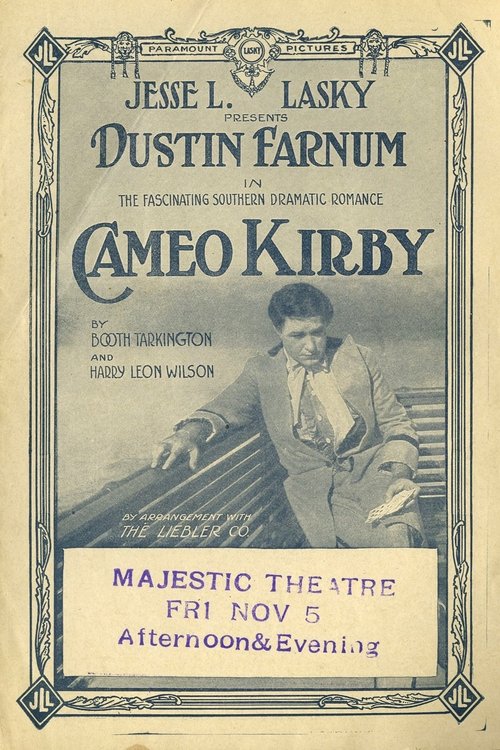
Cameo Kirby exemplifies early 20th-century genre filmmaking. Its narrative structure relies on conventional Western clichés that reinforce the social and cultural norms of the time. The film presents a standard representation of its era, lacking in-depth exploration of diverse identities. It adheres to the homogeneous casting and traditional morality typical of early silent Westerns. While screenwriter Clara Beranger brings a significant female perspective, the film’s structure remains tied to the conventional representations of masculinity and femininity common to the period.
Category Breakdown
The film does not include any characters with LGBTQ+ identities. The romantic relationships and dynamics follow traditional heterosexual norms.
The film adheres to traditional gender roles typical of the 1914 frontier era. Although a woman, Winifred Kingston, is a key character, she does not challenge traditional feminine roles.
Set in the American Old West, the film features an ensemble primarily composed of Anglo-Saxon actors. There is no indication of a non-white majority cast.
The story upholds traditional Western values and social structures. It emphasizes maintaining social stability and order without challenging established institutions.
There is no documentation of visible or invisible disabilities being portrayed in this film.
Present on Screen
Limited or Absent
Official Synopsis
Cameo Kirby is a 1914 American drama silent film directed by Oscar Apfel and written by Clara Beranger and William C. deMille. The film stars Dustin Farnum, Fred Montague, James Neill, Jode Mullally, Winifred Kingston and Dick La Reno. It is based on the play Cameo Kirby by Booth Tarkington and Harry Leon Wilson. The film was released on December 24, 1914, by Paramount Pictures.
1926

1928
1923
1920

1926

1921
1918
1929
No reviews yet. Be the first to share your thoughts on this movie!
Use the rating form above to leave a star rating and optional review.