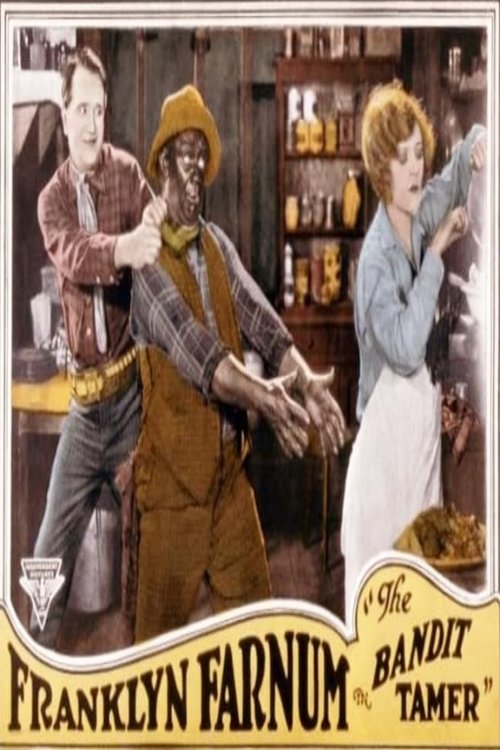
The Bandit Tamer
1925
No user ratings available yet
Representation score: 0.6 out of 10
No Poster Available
Representation Score
Minimal
1923
PassedDirector
Henry McCarty
Runtime
50 minutes
Average Rating
No ratings yetNew Showbiz Analysis
The film reflects the social structures of its time, likely mirroring the homogeneous society of early 20th-century American cinema. As a 1923 Western, it adheres to the genre clichés of the era, focusing on individualistic heroism and traditional frontier myths. Representation across most categories is either non-existent or very limited. The narrative reinforces traditional gender, race, and sexual hierarchies rather than challenging them. Ultimately, the film lacks the diverse character arcs or inclusive casting needed to go beyond the restrictive social constraints of the 1920s.
Category Breakdown
The film does not show any evidence of non-binary gender identities or same-sex relationships. It follows the assumption that everyone is straight or cisgender, which was typical of 1923 Westerns.
Female characters likely play passive roles or fit traditional romantic archetypes. The film adheres to the gender hierarchies common in early 1920s cinema.
The story likely centers on Anglo-Saxon characters. There is no evidence of actively leading characters from diverse racial backgrounds or race-bent casting within this period piece.
The story is rooted in traditional frontier mythology and Western expansion. It lacks any indication of secularist or anti-capitalist themes.
There is no documented evidence of characters with visible or invisible disabilities. Themes related to disability were rarely explored during this era of silent cinema.
Present on Screen
Limited or Absent
Official Synopsis
A film by Henry McCarty
1925
1930
1922
1940
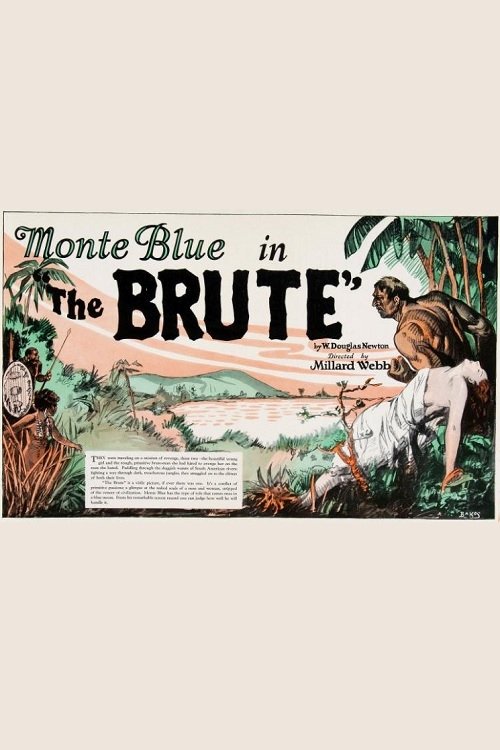
1927

1920
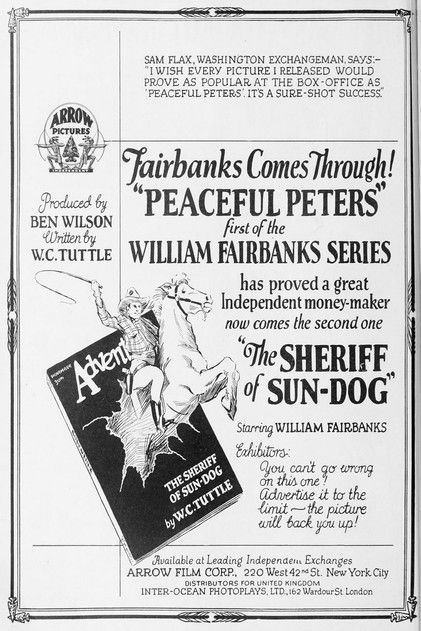
1922
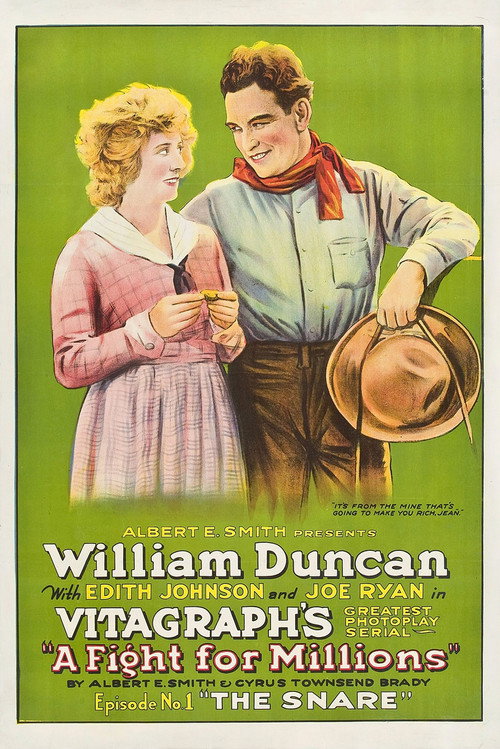
1918
No reviews yet. Be the first to share your thoughts on this movie!
Use the rating form above to leave a star rating and optional review.