The Vengeance of Pierre
1923
No user ratings available yet
Representation score: 0.3 out of 10
Representation Score
Minimal
1925
PassedDirector
J.P. McGowan
Runtime
50 minutes
Average Rating
No ratings yetNew Showbiz Analysis
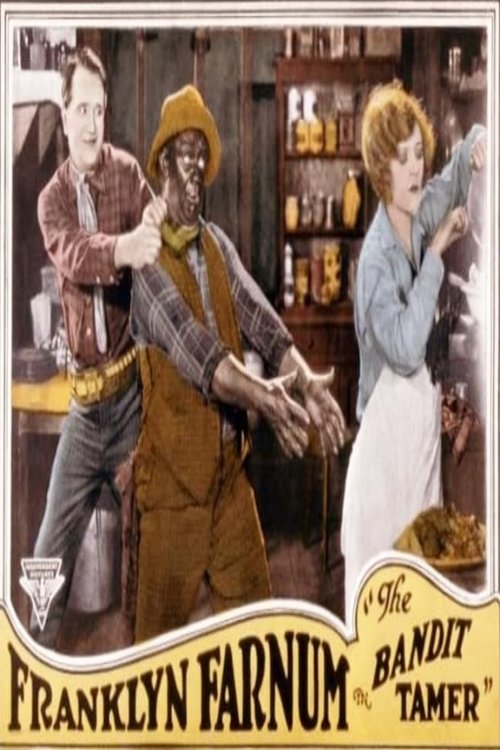
The Bandit Tamer is a 1925 silent Western that seems to follow the traditional storytelling conventions of its time. Since detailed character arcs and specific scenes are not preserved, the film’s potential for offering progressive representation remains uncertain. Historically, the Western genre tends to reinforce established social norms and frontier archetypes. This film likely adheres to these conventional structures rather than challenging them. Overall, the film lacks any verified evidence of diverse representation or identity politics, reflecting the limited social diversity typical of early 20th-century American cinema.
Category Breakdown
The film does not include any characters with non-traditional gender identities or narratives challenging the idea that everyone is straight. There is no indication of LGBTQ+ themes in the historical record.
The film likely follows traditional gender roles common in 1925 Westerns. Information about female empowerment or the critique of traditional masculinity is not available.
Early Western films often used stereotypes related to race. Given the genre’s history, this film probably does not include diverse racial representations.
The film likely centers on traditional Western values like frontier justice. It probably does not include critiques of institutions or capitalism.
There is no documented evidence of characters with visible or invisible disabilities. The film does not show any characters with disabilities taking active roles.
Present on Screen
Limited or Absent
Official Synopsis
The Bandit Tamer is a 1925 American silent film directed by J.P. McGowan.
1923
1927
1922
1922
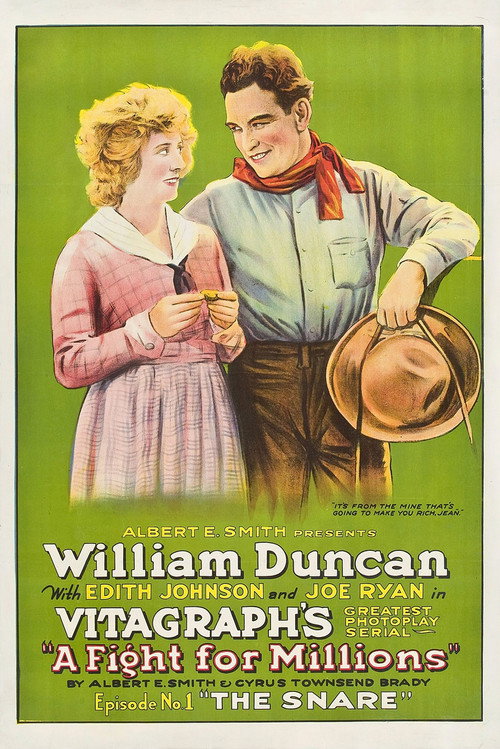
1918

1920
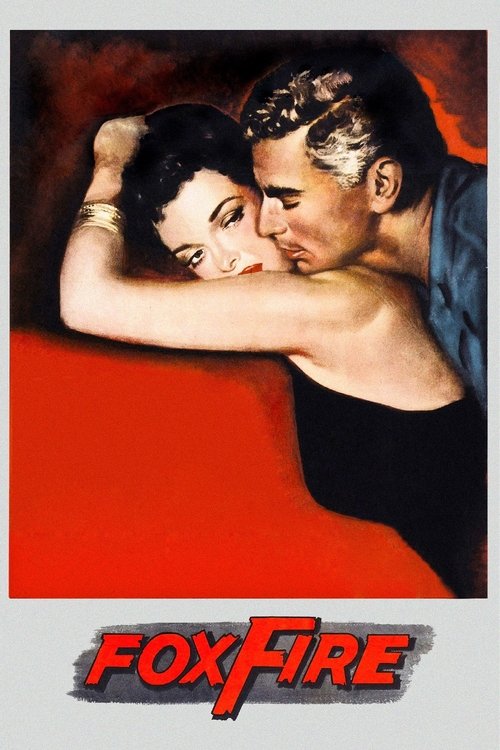
1955
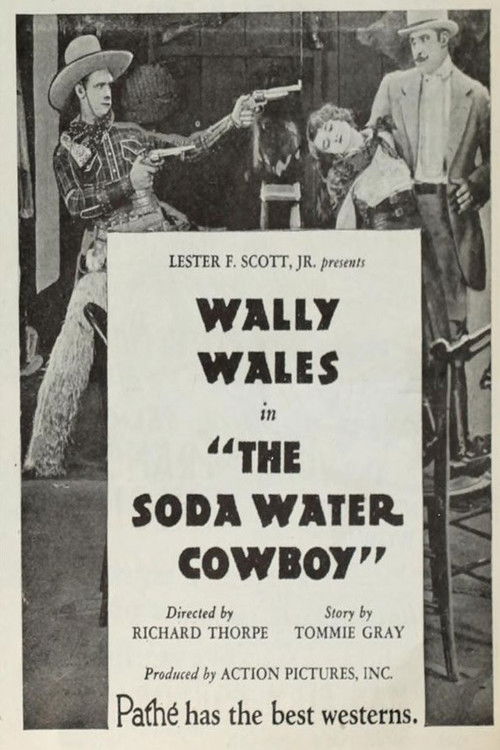
1927
No reviews yet. Be the first to share your thoughts on this movie!
Use the rating form above to leave a star rating and optional review.