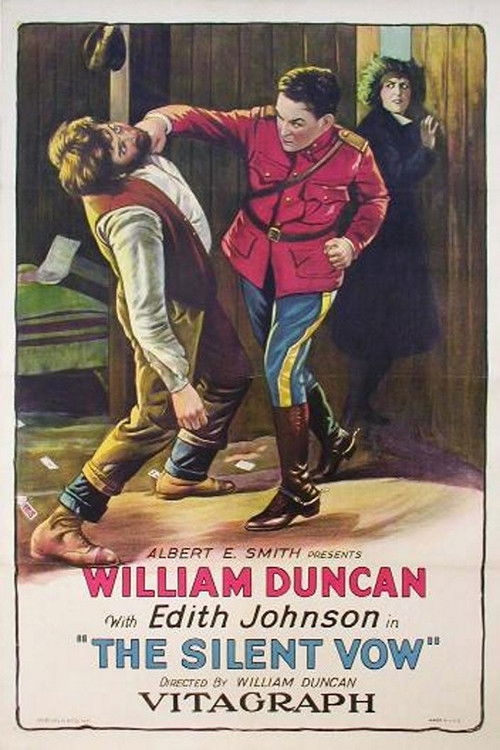
The Silent Vow
1922
No user ratings available yet
Diversity score: 2.3 out of 10
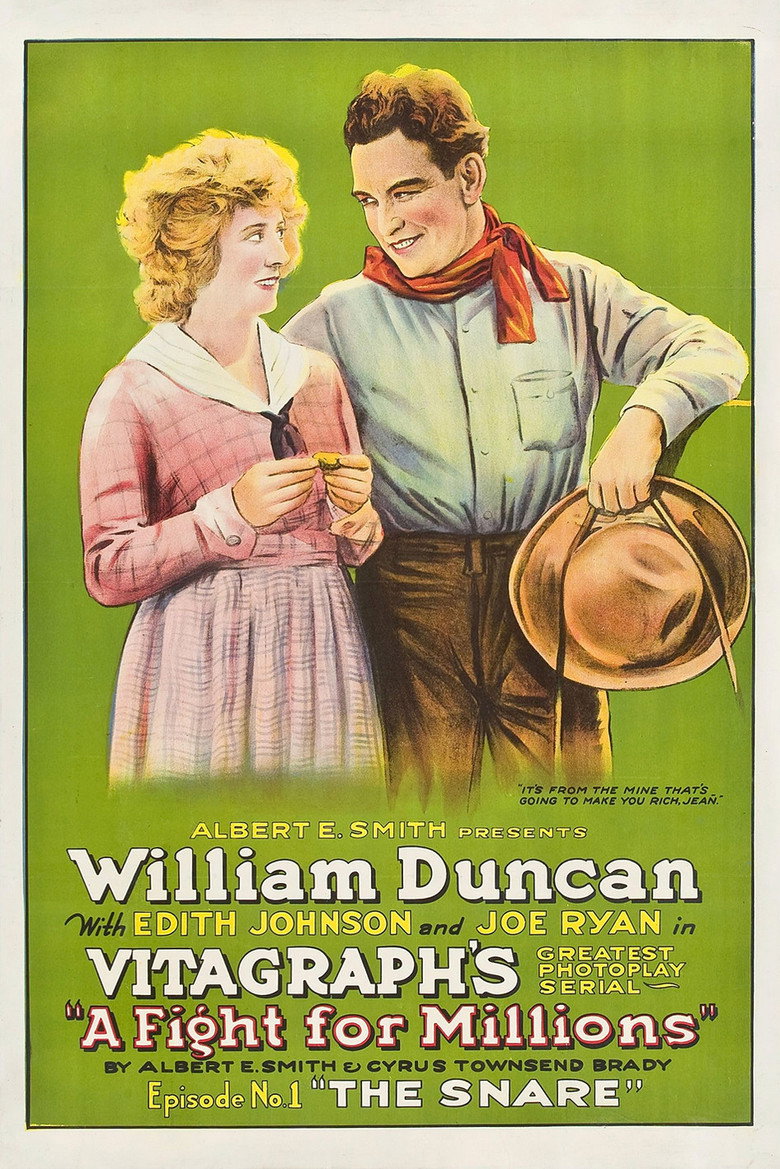
1918
ApprovedDirector
William Duncan
Runtime
300 minutes
Average Rating
No ratings yetSynopsis
A film serial with 15 episodes.
Overall Score
Minimal
Category Breakdown
LGBTQ+ Representation
Historical records show no evidence of non-cisnormative identities or same-sex intimacy. The film likely adheres to the strict heteronormative romantic structures common in 1918.
Gender Representation
The romance genre suggests female presence, but women likely occupy passive roles. There is no evidence of female characters subverting masculine hierarchies or driving the plot.
Racial & Ethnic Diversity
The Western setting suggests a focus on Anglo-centric frontier tropes. No verified evidence exists of characters of color possessing significant agency or race-bent casting.
Religious & Cultural Diversity
The narrative likely reinforces traditional Western institutions and individualist hero archetypes. It appears to celebrate traditional morality rather than offering institutional critique.
Disability Representation
There is no data regarding neurodivergent or physically disabled characters. In this era, disability was often omitted or used as a peripheral plot device.
Strengths
Areas for Improvement
AI Analysis
A Fight for Millions is a 1918 silent film serial that functions within the conventional Western and Action-Romance frameworks of its era. The production reflects the systemic social hierarchies and genre tropes typical of early 20th-century American cinema. Because the film lacks documented evidence of diverse character agency, it remains a traditional genre piece. It does not demonstrate intentional progressive narrative architecture or subversion of period-typical roles. The low diversity scores are a byproduct of the historical context and the scarcity of preserved narrative details rather than specific creative choices.
1922
1925
1923
1927

1920
1955
1917

1919
No reviews yet. Be the first to share your thoughts on this movie!
Use the rating form above to leave a star rating and optional review.