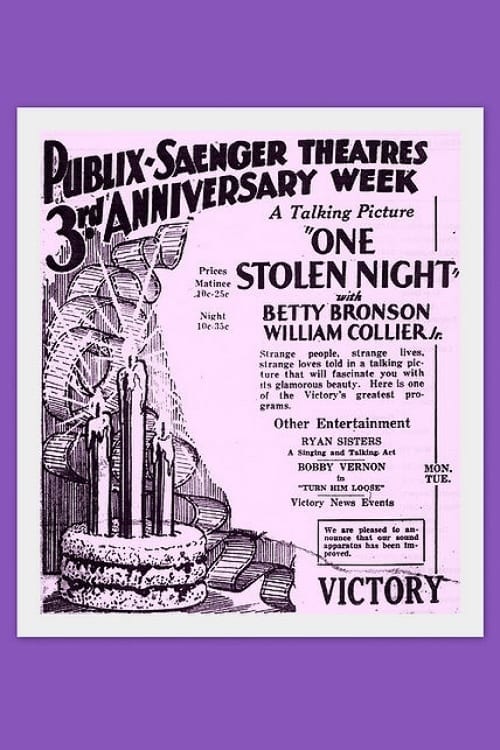
One Stolen Night
1929
No user ratings available yet
Representation score: 1.5 out of 10
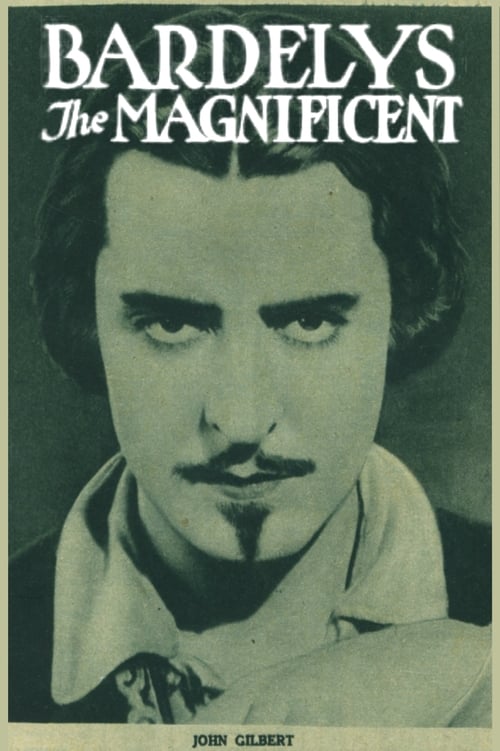
Representation Score
Minimal
1926
PassedDirector
King Vidor
Runtime
90 minutes
Average Rating
No ratings yetNew Showbiz Analysis
Bardelys the Magnificent is a classic example of 1920s filmmaking, emphasizing traditional romantic and social themes. The film's structure revolves around the pursuit of status and romance within a straight-centered framework. The narrative lacks complexity in representing diverse identities, focusing primarily on the charm and social manipulation of the male protagonist. This results in a narrow perspective that upholds the social norms of the time. Overall, the film offers escapism through traditional aristocratic storytelling without challenging existing social structures.
Category Breakdown
The film strictly follows traditional romantic storylines centered around heterosexual relationships. There is no depiction of LGBTQ+ identities or same-sex relationships.
The story focuses mainly on the male lead, who drives the plot. The female lead is primarily defined by her relationship to the male protagonist within traditional gender roles.
The cast is predominantly white and European, with no significant roles for characters from other ethnicities.
The story emphasizes traditional aristocratic romance and social hierarchy, avoiding any critique of Western institutions. It presents a world where traditional aristocratic values prevail.
The film does not feature any characters with disabilities, nor does it use disability as a plot device or subject of ridicule.
Present on Screen
Limited or Absent
Official Synopsis
Rafael Sabatini's story of the swashbuckling era and of Bardeleys, the handsome courtier who could win any woman he set his mind to...and was not above boasting about it to all who would listen.
1929
1940
1926
1940
1923
1924
1920
1935
No reviews yet. Be the first to share your thoughts on this movie!
Use the rating form above to leave a star rating and optional review.