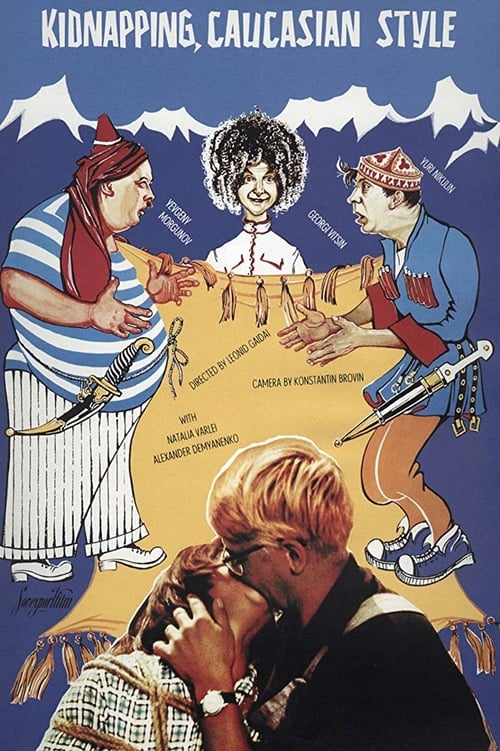
Kidnapping, Caucasian Style
1967
No user ratings available yet
Representation score: 3.8 out of 10
Representation Score
Fair
1965
TV-GDirector
Leonid Gaidai
Runtime
95 minutes
Average Rating
No ratings yetNew Showbiz Analysis
Leonid Gaidai’s comedy centers around traditional values that emphasize social unity and the triumph of ordinary citizens. The film celebrates industriousness and collective morality, using slapstick humor to criticize social deviance. Though it lacks modern complexity in representing diverse identities, the film offers a coherent critique of social parasitism and individualistic greed. Its narrative structure upholds social stability without challenging established hierarchies. Ultimately, the film reflects its specific historical context, focusing on socioeconomic archetypes and traditional gender roles.
Category Breakdown
The film adheres to an assumption that everyone is straight and cisgender. There are no representations of non-traditional gender identities or same-sex relationships.
Women in the film often play active roles but primarily serve as catalysts for the male protagonist's growth. The central character, Shurik, drives the story forward.
The cast is fairly uniform, reflecting the demographics of the Soviet era. The film focuses on socioeconomic types rather than ethnic or racial diversity.
The movie critiques social parasitism to highlight the importance of productive labor. It emphasizes communal values and internal social morality over individual greed.
Characters with disabilities are not central to the plot. Slapstick humor is used without addressing any nuances of impairment.
Present on Screen
Limited or Absent
Official Synopsis
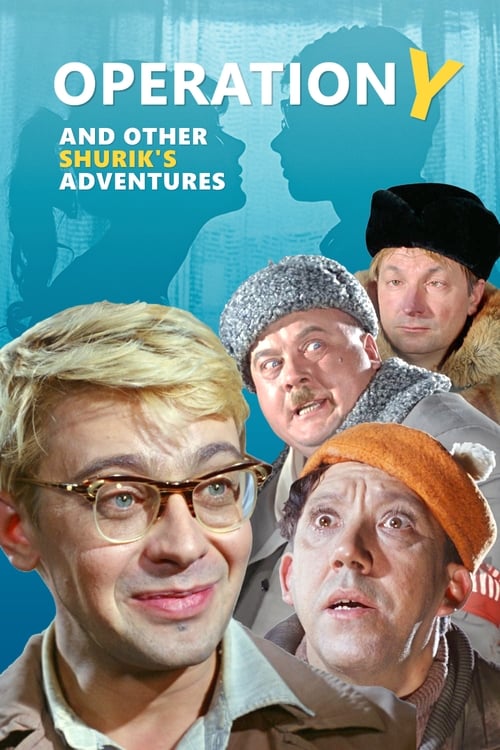
The film consists of three independent parts: "Workmate", "Déjà vu" and "Operation Y". The plot follows the adventures of Shurik, the naive and nerdy Soviet student who often gets into ludicrous situations but always finds a way out very neatly.
1967
1971

1985

1961
1965

1975

1969
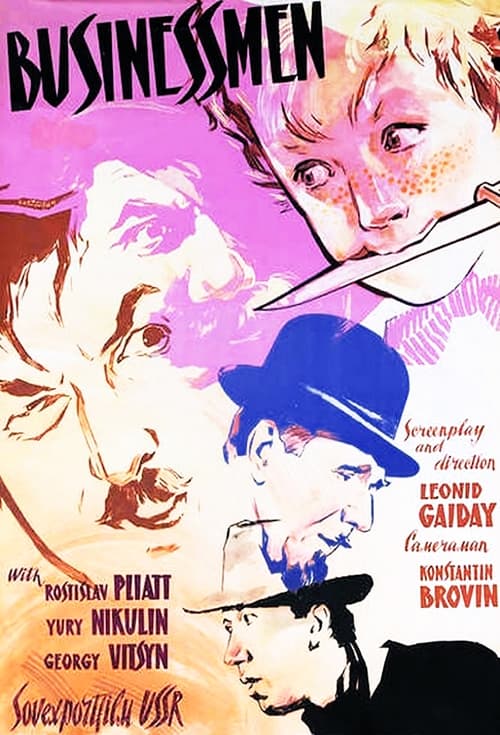
1963
No reviews yet. Be the first to share your thoughts on this movie!
Use the rating form above to leave a star rating and optional review.