
The Sentimental Policeman
1992
No user ratings available yet
Diversity score: 5.7 out of 10

2002
Director
Kira Muratova
Runtime
120 minutes
Average Rating
No ratings yetSynopsis
The film is based on A. P. Chekhov’s play “Tatiana Repina” and short story “Difficult People”. At his wedding, the groom is horrified to see among the church crowd his former mistress who had recently committed suicide.
Overall Score
Fair
Category Breakdown
LGBTQ+ Representation
The film does not explicitly center on LGBTQ+ identities or non-cisnormative romantic pairings. It focuses on existential absurdity rather than identity-based politics.
Gender Representation
The narrative disrupts conventional gendered leadership by focusing on female protagonists. Characters are defined by internal psychological states rather than traditional masculine agency or hierarchies.
Racial & Ethnic Diversity
The cast reflects a relatively homogeneous urban demographic. There is no evidence of race-bent casting or intentional use of non-white casts to challenge historical norms.
Religious & Cultural Diversity
The film uses an absurdist structure to deconstruct traditional social norms and institutions. It prioritizes subjective experience and moral relativism over a singular, cohesive morality.
Disability Representation
The film explores psychological fragmentation and the grotesque aspects of human interaction. However, it lacks clear narratives centered on specific visible or invisible disabilities.
Strengths
Areas for Improvement
AI Analysis
Chekhovian Motifs is a highly stylized, postmodern work that favors psychological complexity over traditional narrative cohesion. It succeeds in subverting social hierarchies and deconstructing gendered tropes through its focus on female protagonists and existential alienation. However, the film lacks explicit representation regarding racial, ethnic, or LGBTQ+ identities. The cast appears homogeneous, and the narrative does not engage with queer-coded characters or racial intersectionality. Ultimately, the film's strength lies in its sophisticated critique of social structures and its embrace of moral relativism, even if it remains niche in its demographic scope.
1992

1997

1975

1999
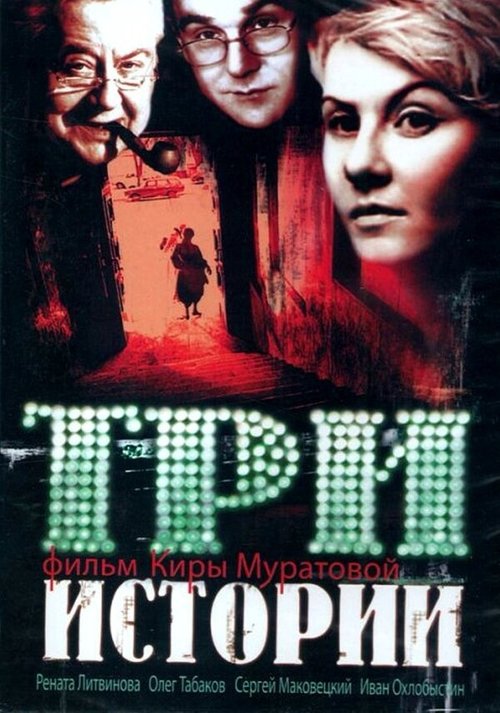
1997

2012

2010

1990

1993

1977

2011

1978
No reviews yet. Be the first to share your thoughts on this movie!
Use the rating form above to leave a star rating and optional review.