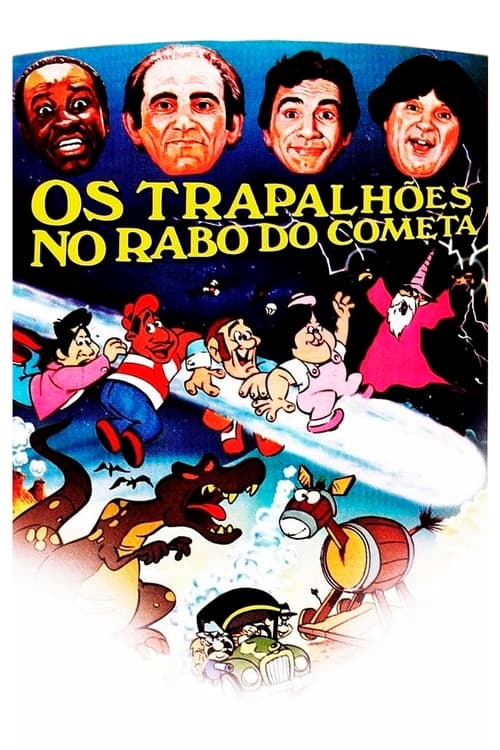
Os Trapalhões no Rabo do Cometa
1986
No user ratings available yet
Representation score: 2.0 out of 10

Representation Score
Limited
1985
Director
Dedé Santana
Runtime
80 minutes
Average Rating
No ratings yetNew Showbiz Analysis
This mid-80s Brazilian film serves as an escapist fantasy, relying on the well-established rapport of the Trapalhões troupe. It combines performers with a whimsical setting through meta-fictional techniques. Though it follows traditional gender roles and lacks modern multi-layered complexity, the film scores well for its time due to Mussum’s essential ethnic depth. The narrative prioritizes comedic freedom and fairy-tale clichés over systematic social critiques. Overall, the film occupies a transitional phase, using the trickster archetype to navigate social norms through humor while upholding a moral framework centered on community charity.
Category Breakdown
The film doesn't include any identifiable LGBTQ+ characters or stories. The dynamics between characters focus on the comedic troupe and Sister Maria within a traditional heterosexual framework.
The story is mainly driven by the four male leads. Sister Maria provides the moral backbone, but female influence remains less prominent compared to the male slapstick humor.
Mussum's character adds significant ethnic richness through cultural rhythms and language. This diverse cast breaks the uniformity typically found in mainstream movies.
The film balances the 'malandro' trickster figure with traditional values of kindness and charity. It emphasizes restorative justice rather than critiquing societal structures.
The film doesn't intentionally represent physical or neurological disabilities. Characters are used primarily as comedic figures without exploring disability as a theme.
Present on Screen
Limited or Absent
Official Synopsis
The Trapalhões put on a show to raise money for an orphanage run by Sister Maria (Xuxa), which is facing financial difficulties. During the performance, the ticket money is stolen. Now, the Trapalhões and Sister Maria must go on an adventure to catch the thieves.
1986

1997
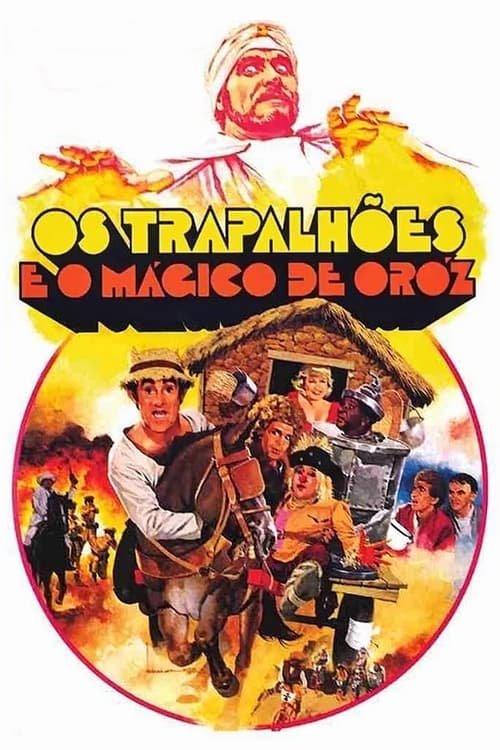
1984

1988
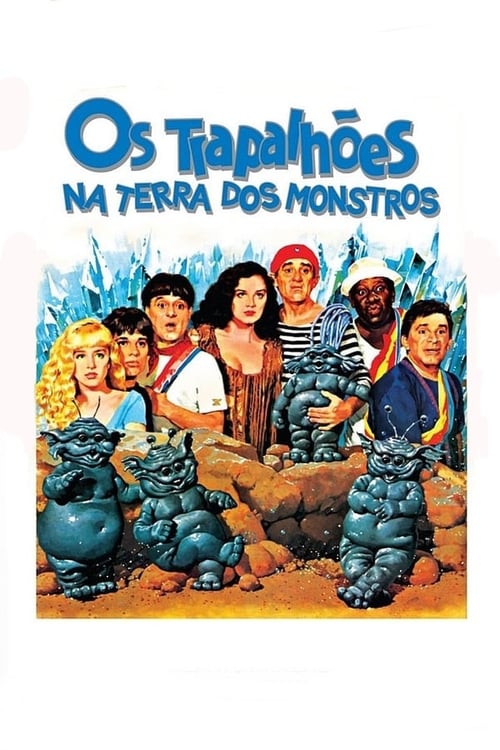
1989
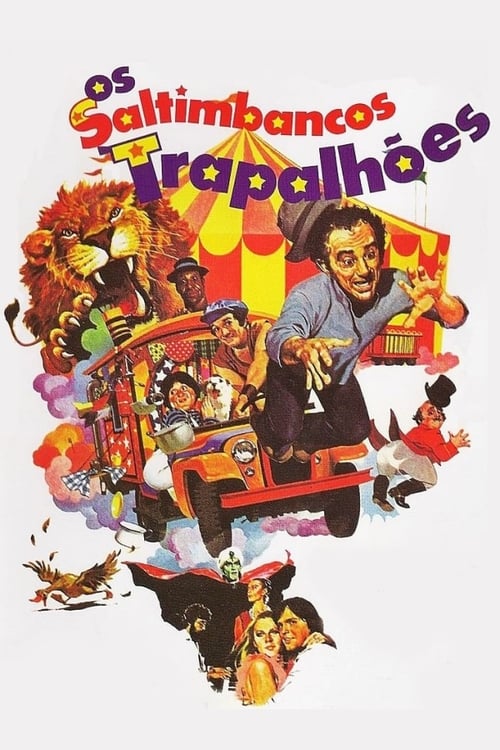
1981

1984
1989
No reviews yet. Be the first to share your thoughts on this movie!
Use the rating form above to leave a star rating and optional review.