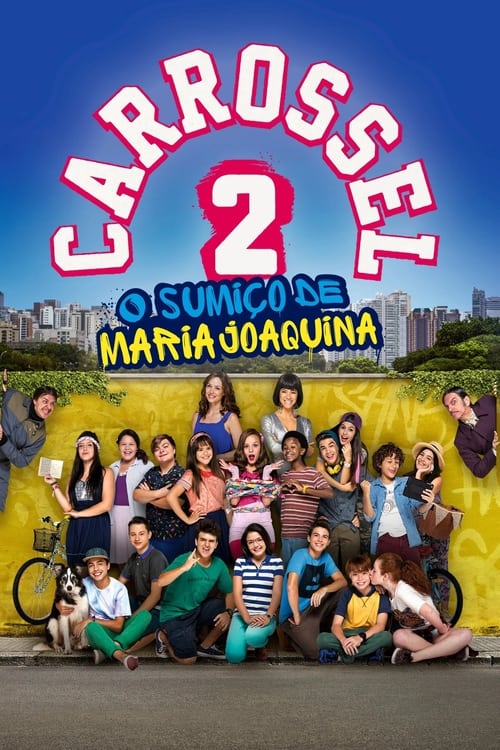
Carrossel 2: O Sumiço de Maria Joaquina
2016
No user ratings available yet
Representation score: 3.7 out of 10
Representation Score
Fair
1998
Director
Fabrizia Pinto, Fernando Meirelles
Runtime
89 minutes
Average Rating
No ratings yetNew Showbiz Analysis
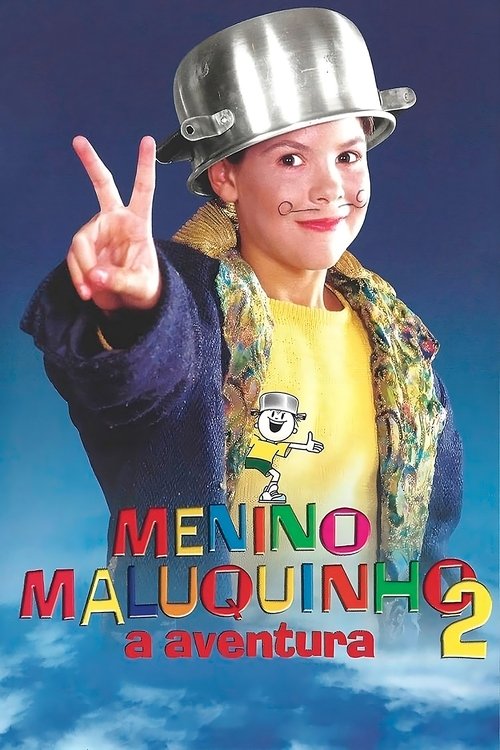
Nutty Boy 2 offers a localized Brazilian perspective, moving away from standard Western narratives through its focus on regional identity and folklore. The setting in Minas Gerais provides a rich, culturally specific backdrop that avoids the homogeneity of globalized media. However, the film lacks depth in representing diverse identities. The social circle is predominantly male-centric, and there is no visible engagement with LGBTQ+ identities or disability representation. Ultimately, the film is a study in cultural specificity rather than broad social diversity, trading broad inclusivity for a deep, authentic sense of place and community tradition.
Category Breakdown
The film does not include any explicit LGBTQ+ characters or non-straight identities. The story revolves around a group of children without any obvious queer undertones.
Nina is part of the main group of friends, contributing to gender diversity. However, the story centers around the male protagonist and his male friends.
Set in Minas Gerais, the film highlights a unique Brazilian region. It avoids the typical urban focus by showcasing a genuine ethnic environment.
The story incorporates local folklore, such as the myth of the 'Capeta.' This emphasis on regional mysticism prioritizes local traditions over Western-centric narratives.
There are no visible or mentioned depictions of physical or neurodivergent disabilities in the narrative.
Present on Screen
Limited or Absent
Official Synopsis
In this new adventure, Maluquinho is spending the holidays at the home of his grandfather Tônico (Stênio Garcia), an inventor who lives in a small community in the interior of Minas Gerais. His friends Junim (Samuel Brandão), Lucio (Cauã Bernard Souza), Bocão (João Romeu Filho) and Nina (Fernanda Guimarães) are coming to the city to help Maluquinho organize the circus for the centenary of the city. On this trip, they meet Tatá-Mirim, a small flame that ends up making the city believe that they are being invaded by the Capeta. So they end up living many adventures.
2016
2014
1989

2019

2019
1991

1988

1984
No reviews yet. Be the first to share your thoughts on this movie!
Use the rating form above to leave a star rating and optional review.