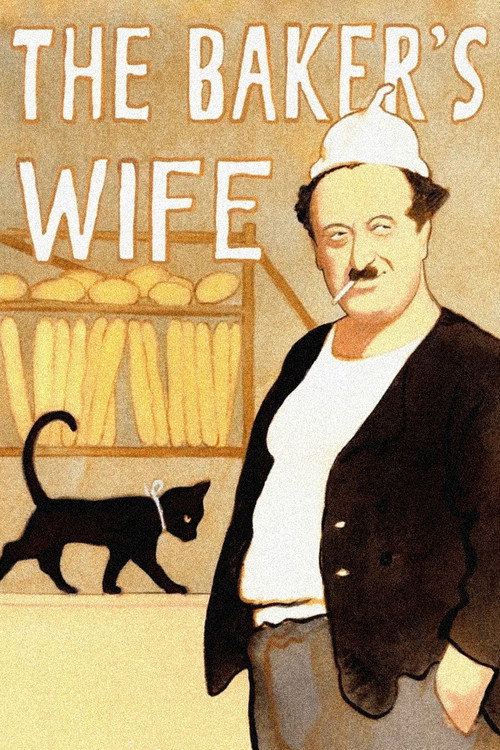
The Baker's Wife
1938
No user ratings available yet
Representation score: 1.2 out of 10

Representation Score
Limited
1932
Director
Dominique Bernard-Deschamps
Runtime
66 minutes
Average Rating
No ratings yetNew Showbiz Analysis
The film functions as a localized character study that uses a central metaphor to reframe the identity of a underrepresented individual. It challenges social hierarchies by centering a character typically relegated to the periphery of village life. However, the work is heavily constrained by its 1932 historical context. The setting appears homogeneous, and the portrayal of disability relies on period-typical clichés that may lack modern nuance. Ultimately, the film's strength lies in its subversion of traditional beauty and social standards, even if it remains limited by the era's social perspectives.
Category Breakdown
The film does not include any non-straight relationships or queer narratives. The story focuses on the transactional relationship between Ms. Husson and Isidore.
Ms. Husson serves as a female protagonist who play a significant role in driving the story and authority. She dictates social value within her village, departing from more passive female archetypes.
The narrative appears to center on a homogeneous social group within a rural French setting. There is no evidence of racial blending or diverse casting.
The film deconstructs social status by elevating a underrepresented individual to symbolic importance. This disrupts conventional expectations of meritocracy and social standing.
Isidore is presented through the lens of intellectual disability. While he is a central figure, it remains unclear if he possesses true ability to act or relies on clichés.
Present on Screen
Limited or Absent
Official Synopsis
In her village, Ms. Husson seeks to put a price under a rosiere but finding no worthy young pretty girl, hands it has Isidore, the village idiot, who becomes rosier
1938

2005
1929
1959

1928

1959
2001

2007
No reviews yet. Be the first to share your thoughts on this movie!
Use the rating form above to leave a star rating and optional review.