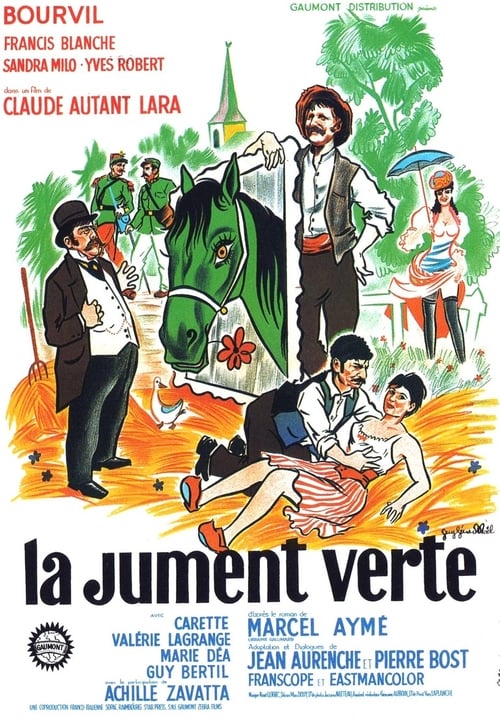
The Green Mare
1959
No user ratings available yet
Representation score: 4.3 out of 10
Representation Score
Limited
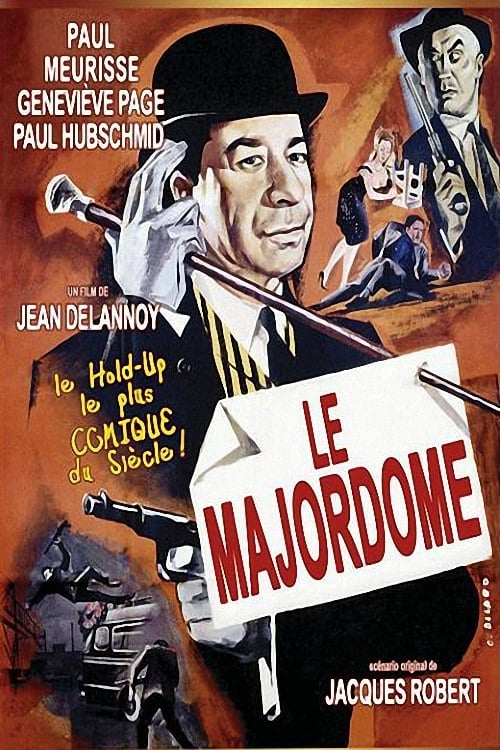
1965
Director
Jean Delannoy
Runtime
93 minutes
Average Rating
No ratings yetNew Showbiz Analysis
Le Majordome is a traditional mid-century narrative that prioritizes the restoration of social order. It adheres to classical storytelling formulas and established hierarchies, offering very little disruption to conventional norms. The film focuses on a male protagonist's journey through professional and romantic spheres. While it touches on class mobility, the resolution reinforces the existing legal and social structures. Ultimately, the work lacks depth in reflecting multiple aspects of diversity, functioning as a standard period piece that mirrors the homogeneous social structures of its era.
Category Breakdown
The film follows a conventional romantic pursuit between Léopold and Agnès. There are no queer narratives or non-binary gender representations in the story.
Léopold drives the narrative, while Agnès mainly serves as a catalyst for the plot. The story emphasizes male control, reinforcing traditional mid-century gender roles.
The setting suggests a homogeneous social environment typical of 1965 French cinema. There are no indications of diverse ethnic perspectives or a non-majority cast.
The story explores class mobility and legal authority. However, it ultimately reinforces traditional social institutions and the stability of the law rather than challenging them.
The narrative contains no mention of characters with visible or invisible disabilities.
Present on Screen
Limited or Absent
Official Synopsis
Leopold, valet De Chambre of the Advocate General of Royssac, studies the penal code and becomes, during his leave, judge in a court of the 'middle'.
1959
1966
1960
2008
1964
1959

1959

1965
No reviews yet. Be the first to share your thoughts on this movie!
Use the rating form above to leave a star rating and optional review.