The Baker's Wife
1938
No user ratings available yet
Representation score: 1.2 out of 10
Representation Score
Minimal
1928
Not RatedDirector
Alfred Hitchcock
Runtime
112 minutes
Average Rating
No ratings yetNew Showbiz Analysis
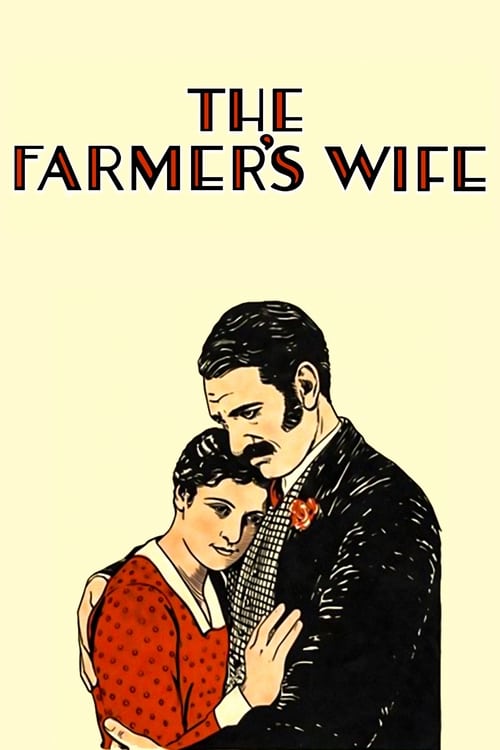
The Farmer's Wife is set in a homogenous rural English community of the 1920s. Its narrative architecture emphasizes traditional social hierarchies and conventional domestic roles, offering little in the way of complex representation. While the film examines the social dynamics of village life, it does so through a lens that upholds established norms. The protagonist's quest for a new wife centers the story around patriarchal interests, portraying women as objects of social pursuit rather than independent agents. Overall, the film does not challenge systemic norms and reflects the limited scope of representation typical in early 20th-century rural dramas.
Category Breakdown
The film adheres to a strictly heterosexual and cisgender structure. There are no representations of same-sex relationships or non-cisgender gender identities.
Women are mainly shown as potential partners for the male protagonist's remarriage. The story emphasizes traditional 1920s gender roles and societal expectations.
The setting is predominantly Anglo-Saxon, with no visible racial or ethnic diversity in the rural English village community.
The plot delves into village morality and Western social structures, focusing on class tensions within a traditional community framework without challenging institutional norms.
There are no visible or invisible disabilities represented as central narrative elements or characters with significant roles.
Present on Screen
Limited or Absent
Official Synopsis
Successful middle-aged farmer Samuel Sweetland becomes widowed, then his daughter marries and leaves home. Deciding he wishes to remarry, Sweetland pursues some local women he considers prospects.
1938
1927
1932

1928
1929
2005
1930

1930
No reviews yet. Be the first to share your thoughts on this movie!
Use the rating form above to leave a star rating and optional review.