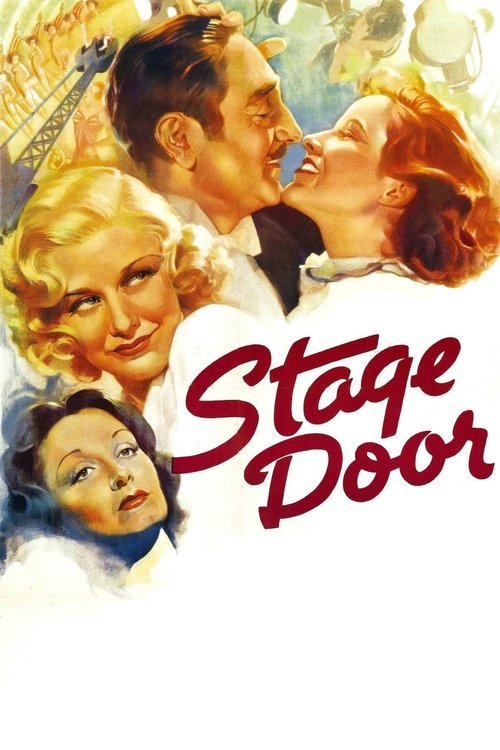
Stage Door
1937
No user ratings available yet
Diversity score: 4.3 out of 10
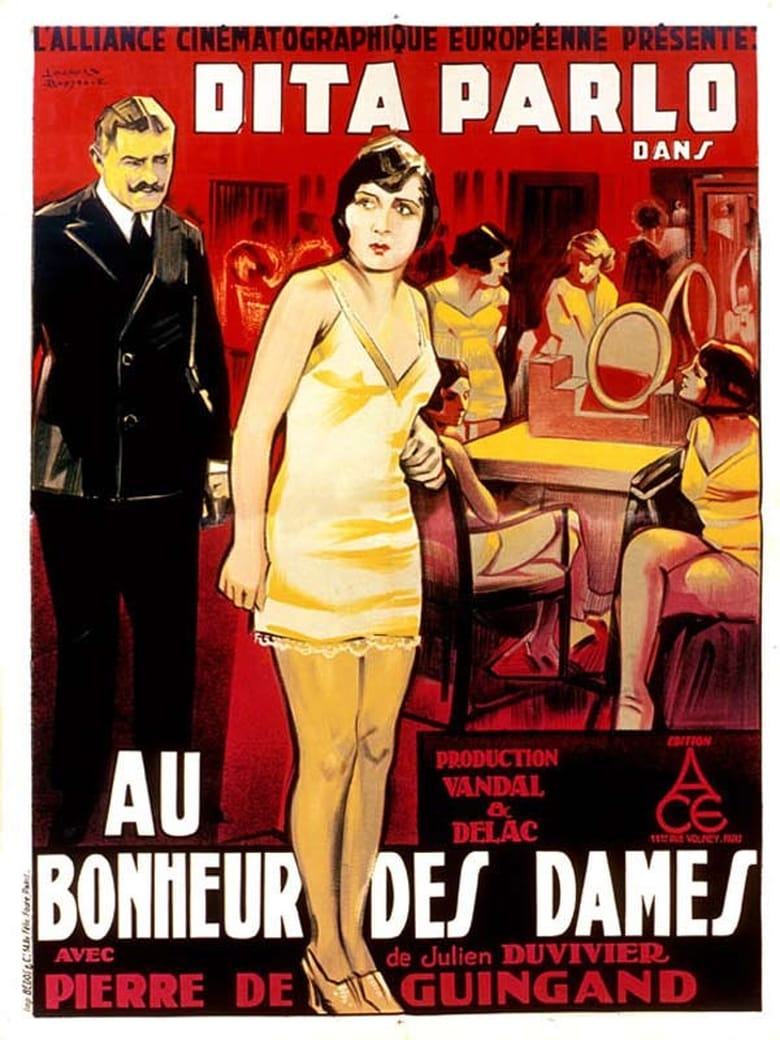
1930
Director
Julien Duvivier
Runtime
85 minutes
Average Rating
No ratings yetSynopsis
Denise, an orphaned girl, moves to Paris where she hopes to find work at her uncle's store. But the glamorous department store 'Aux Bonheur des Dames' across the street crunches all the little businesses around. She finds a position there.
Overall Score
Fair
Category Breakdown
LGBTQ+ Representation
The film focuses on socioeconomic and romantic tensions within a 19th-century Parisian framework. There is no evidence of non-cisnormative identities or narratives that critique heteronormativity.
Gender Representation
Denise is portrayed as an agent of her own survival rather than a passive domestic figure. The film also critiques traditional masculine authority through the predatory nature of Octave Mouret.
Racial & Ethnic Diversity
The film reflects the demographic homogeneity of 19th-century France. While it lacks intersectional diversity, it remains consistent with the socio-historical context of the French bourgeoisie and working class.
Religious & Cultural Diversity
The narrative offers a sophisticated critique of industrial capitalism and its predatory nature. It portrays the department store as a disruptive force that devalues human connection and traditional community commerce.
Disability Representation
The story centers on class struggle and economic survival. There is no specific evidence of characters with physical or neurodivergent disabilities being featured as central agents or subjects.
Strengths
Areas for Improvement
AI Analysis
Au Bonheur des Dames is a period drama that prioritizes thematic critique over demographic variety. While it lacks LGBTQ+ and racial diversity due to its 19th-century setting, it excels in cultural commentary. The film uses its setting to challenge the rise of industrial capitalism and the corrosive nature of modern commerce. The narrative also provides a progressive look at gender by centering on female resilience. By framing the proprietor's power as predatory, the film subverts traditional patriarchal models of leadership. Ultimately, the film's value lies in its systemic critique of Western economic structures rather than its representation of marginalized identities.
1937

1932
1918

1938
1915

1928

1931

1929

1934

1938

1937

1923
No reviews yet. Be the first to share your thoughts on this movie!
Use the rating form above to leave a star rating and optional review.