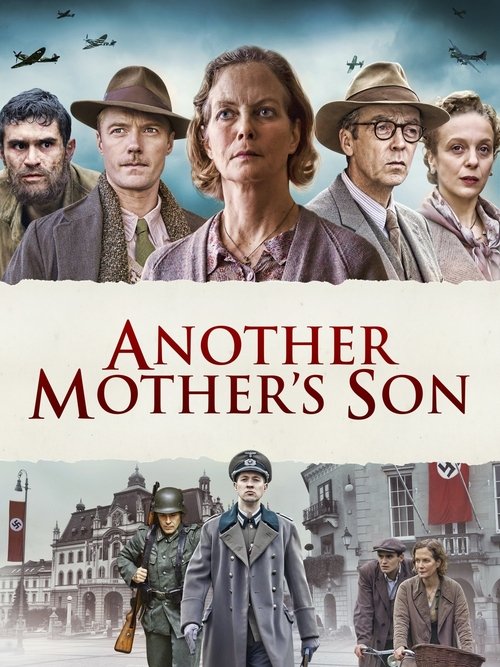
Another Mother's Son
2017
No user ratings available yet
Representation score: 3.6 out of 10

Representation Score
Fair
2017
Not RatedDirector
Christian Duguay
Runtime
113 minutes
Average Rating
No ratings yetNew Showbiz Analysis
A Bag of Marbles is a historical drama that finds its strength in centering the Jewish experience during the Nazi occupation. By focusing on the Joffo family, the film provides significant ethnic representation and highlights the ability to act of a persecuted minority. However, the film remains within traditional narrative boundaries. It lacks LGBTQ+ representation and follows conventional gender roles typical of period pieces, focusing primarily on the survival of the male protagonists. Ultimately, the film succeeds as a humanistic drama of ethnic survival, even if it does not attempt to subvert broader social or gender hierarchies.
Category Breakdown
The story focuses on a nuclear family navigating the Holocaust. There are no LGBTQ+ narratives or non-assuming gender matches what was assigned at birth identities present in the plot.
While the male brothers are the main characters, the mother plays a significant role by organizing the family's escape. The film largely adheres to traditional period gender roles.
The film centers on a Jewish family facing systemic persecution in Nazi-occupied France. It provides meaningful depth by highlighting the lived reality of an underrepresented minority.
The narrative critiques state-sponsored oppression through the lens of a Jewish family's survival. It focuses on historical struggle rather than broader modern secular critiques.
There is no mention of characters with visible or invisible disabilities within the narrative.
Present on Screen
Limited or Absent
Official Synopsis
At the beginning of the 1940s, in a France occupied by Nazi forces, lived the Jewish Joffo family. Happy and tight-knit, she sees her future darken when all members of the family are forced to wear the yellow star. Fearing the worst, the parents organized their family to flee to the free zone in the south of the country. Maurice, twelve years old, and Joseph, ten years old, will therefore leave alone in order to maximize their chances of finding their older brothers already settled in Nice. The brothers left to their own devices demonstrate an incredible amount of cleverness, courage, and ingenuity to escape the enemy invasion and to try to reunite their family once again.
2017

2024
2021

2014

2015

2019

2020

2020
No reviews yet. Be the first to share your thoughts on this movie!
Use the rating form above to leave a star rating and optional review.